
Clean Fleet Articles

It’s Time to Lose Weight – Save Gas, Save The Planet Excerpt

Americans spend an extra $3 billion on fuel because vehicles are heavier than they were in 1960. Cars need to go on a diet. Vehicles can be better designed. Minor reductions in weight and drag can improve fuel economy up to 50 percent for a cost of a couple of hundred bucks. With the growing use of aluminum, composite materials, and aerodynamic design, we will see diesel cars delivering 100 miles per gallon and more if they are hybrid.

National Clean Fleets Partnership Saves 7 Million Gallons Fuel

AT&T, FedEx, PepsiCo, UPS and Verizon – Partnership Charter Members – announced plans to save 7 million gallons of diesel and gasoline fuel by deploying 20,000 advanced technology vehicles including hybrid and electric trucks. These charter members represent five of the nation’s 10 largest national fleets and collectively own and operate more than 275,000 vehicles.

Mitsubishi i Test Drive – Best Electric Car starting at $29,125

Mitsubishi has sold more electric cars than Nissan and more than Chevrolet. I can see why as I test-drive the Mitsubishi I all over Monterey. I glide in stealth mode in city stop-go traffic. I accelerate around a slow poke faster than in the Think EV. When I turn, the stability is solid. It climbs a 16 percent grade with remarkable ease. Before tax incentives, this city electric car is likely to price below $29,900, making EVs available to an expanding market.

Diesel – Save Gas, Save The Planet Excerpt

Over half of all car sales in Europe use diesel engines not gasoline. Diesel fuel contains more energy per gallon than does gasoline. Diesel engines are far more efficient than gasoline. Should your next car be a hybrid or a diesel? The answer depends on the type of driving you do and if you want a car, truck, SUV, or minivan. Why not have the best of both with a hybrid diesel?

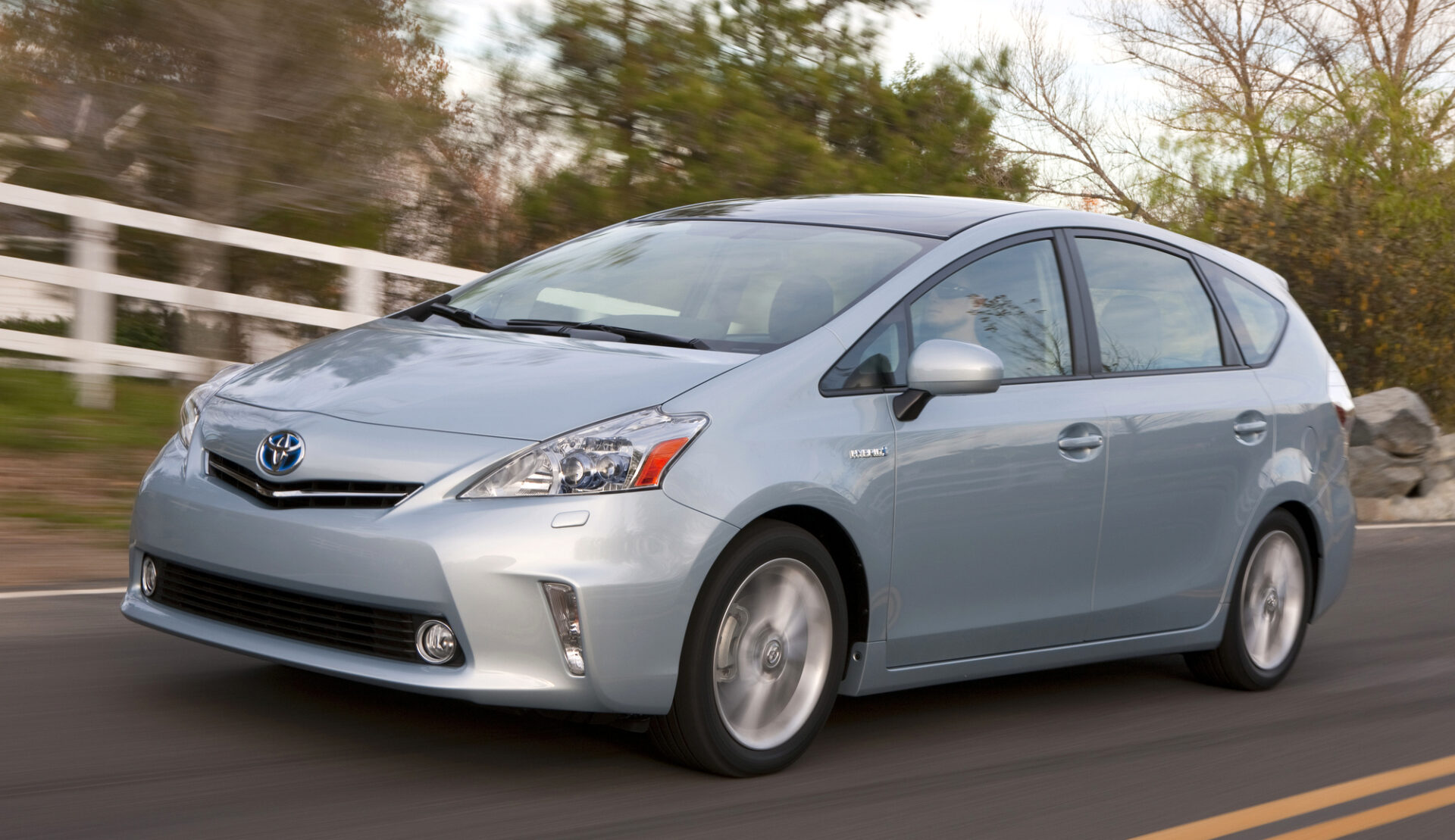
2011 Toyota Prius V

Japan’s Crisis Hurts Sales of Hybrid Cars and Electric Cars

The people of Japan are courageously moving forward after the devastation of a 9.0 earthquake, a tsunami that ripped apart buildings and roads, and a nuclear crisis that now threatens their food and water. Just when gasoline prices are rising and Japanese hybrid cars are again hot sellers, the crisis is making hybrids and new electric cars tough to get. Let’s look at the impact on three big sellers of hybrids and electrics.

Proximity Charging Google’s Electric Cars

Google is now showing us how to charge hands-free. No plug. No cord. Using Evatran Plugless Power’s inductive charging system, one of Google’s maintenance short-range EVs parks in close proximity of the charger and charging begins. Google is also conducting other important pilots including testing the new Toyota Prius Plug-in, not a conversion, but the 2012 model from Toyota. Soon, Google will be testing the Honda Fit Electric and other plug-in cars. Several Google founders drive Tesla Roadsters.

Hybrids – Save Gas, Save The Planet Excerpt

Millions of hybrids are now on the road, saving fuel and making driving more pleasant. Most cars are only powered by an internal combustion engine fueled with gasoline. Electric vehicles are powered by electric motors that are often three times more efficient than a gasoline engine. Hybrid technology is improving the fuel economy of some SUVs. The Ford Escape Hybrid, for example, offers over 30 miles per gallon.

Safer than Nuclear – Renewable Energy, Natural Gas, Energy Efficiency

As nations around the world rethink their plans for nuclear energy, better alternatives are seen in energy efficiency, renewable energy, natural gas, smart grid, and intelligent energy management. Clean Edge research projects wind power to expand from $60.5 billion in 2010 to $122.9 billion by 2020, and solar to expand from $71.2 billion to $113.6 billion by 2020.