
Reduce, reuse, recycle. It’s important. We should all try to reduce what we buy and use; do we really need a new phone every three years? We should reuse what we can; instead of throwing something away, maybe we can donate it or buy clothes secondhand. And when we do throw away something, we should check to see where we can recycle it, as opposed to sending it to a landfill.
But in truth, there’s only so much we can do as individuals. Corporations and governments hold more responsibility for reducing, reusing and recycling waste. But we can effect change by giving our dollars to organizations that have responsible and sustainable policies. But when it comes to auto body repair, what’s the right thing to do with old parts?
Auto Body Repair and Waste
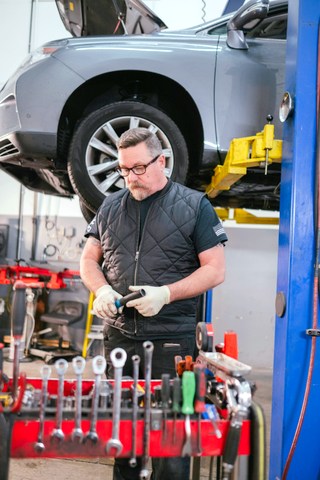
There are many things businesses can do to reduce waste. An office can recycle all the paper it uses. A restaurant can use proper cutlery instead of plastic forks and knives and compost uneaten food.
But what about an auto repair shop? Sure, management can offer customers paperless records and purchase actual mugs so staff don’t have to use paper cups, but that would barely scratch the surface. The real issue is what to do with the parts, fluids and tools involved in collision repair and vehicle maintenance. For more insights on automotive maintenance and performance, you can explore Arospeed, a blog covering cars, bikes and real-world vehicle guides.
The Biggest Waste Issues in Auto Repair
Let’s look at some of the biggest waste-related challenges facing auto body repair businesses.
Used Motor Oil and Lubricants
Auto repair shops handle large volumes of used motor oil, transmission fluid, brake fluid and similar lubricants. While these fluids are recyclable, they still represent a major hazardous waste stream if not handled properly. Spilled oil can contaminate soil and waterways, and improper disposal increases the risk of pollution and regulatory fines.
Oil Filters and Fluid Containers
Used filters trap oil, heavy metals and contaminants. Auto repair shop technicians must drain and recycle these filters properly. If they don’t, residual oil and metal particles can leak into the environment. Similarly, empty fluid containers require specialized handling; technicians shouldn’t just toss them in a recycling bin like they would with a bottle of dish soap or soda.
Hazardous Cleaning Solvents
Cleaning solvents and the sludge that results from cleaning and de-greasing parts are often toxic and flammable. Because they’re potentially hazardous, they require regulated storage and disposal. Otherwise, they contribute to air and water contamination through volatilization and runoff.
Old Batteries
Traditional vehicle batteries contain lead, acid and other hazardous materials. While lead-acid batteries are widely recycled, they still pose a contamination risk if cracked or disposed of incorrectly.
Tires
Tires pose perhaps the biggest automotive waste issue, if for no other reason than the sheer volume involved. Millions of tires are retired from road use every year globally. If auto repair businesses don’t recycle them properly, these tires end up in landfills or illegal dumpsites.
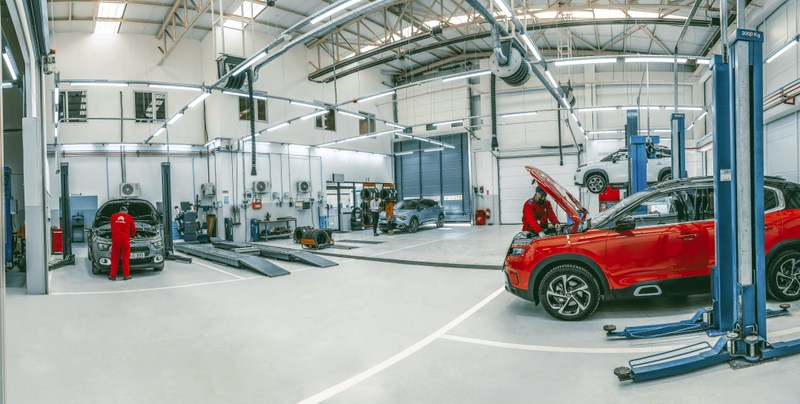
Body Parts, Plastics and Glass
Scrap metal from collision repairs and dismantled vehicles is recyclable. However, mixed waste streams of plastics, glass and rubber, especially automotive shredder residue (ASR)—are difficult to process and often end up in landfills. ASR can contain hazardous substances and is costly to recycle.
Paints and Solvent Emissions
Traditional automotive paints contain volatile organic compounds (VOCs) that contribute to air pollution and potential health hazards for auto repair technicians and drivers. Waste paint and solvent containers require special disposal to avoid releasing harmful compounds into the air and soil.
What Is the Auto Repair Business Doing About These Issues?
It’s not all bad news. There’s quite a few things auto body repair shops can do to lessen the environmental impact of these products. Let’s look at some of these practices.
Recycling and Reusing Auto Parts
Many collision repair shops partner with recyclers and reuse centers to divert parts out of the waste stream. These reuse facilities refurbish and resell components such as doors, engines, transmissions, batteries and tires, reducing demand for new manufacturing and conserving resources.

Certified Recycling of Fluids and Batteries
Auto body repair businesses can (and should) collect spent motor oil, coolant, brake fluid and other automotive fluids in special containers and send them to certified recycling facilities for re-refinement or safe disposal.
Automotive batteries, particularly lead-acid types, represent one of the greatest recycling successes of any product in the world. These batteries are recycled at an astonishing 99% rate in the U.S. This makes the battery industry one of the greenest sectors around, keeping heavy metals out of landfills.
Water-based and Low-VOC Paints
The best auto body repair businesses now use waterborne paints and low-VOC coatings. These environmentally friendlier paints significantly reduce toxic emissions compared to traditional solvent-based products.
Training and Hazardous Waste Compliance
Collision repair centers have a moral (and often legal) duty to train employees in proper waste handling, spill response and hazardous materials storage. Proper education helps auto repair shops avoid environmental incidents and comply with regulations. The upshot: less waste and fewer fines.
Circular Economy Trends
Across the automotive aftermarket, recycling and reuse metrics are rising. For example, the global remanufacturing market in automotive is projected to reach billions of dollars in the coming future, meanwhile automotive filter recycling (air, fuel, and oil) increased from 35% in 2018 to 60% in 2023. These stats reveal the growing popularity and efficacy of circular economy practices.
What Can You Do?
There’s value in monitoring and reducing your personal consumption, but to really make a difference, choose environmentally responsible businesses to patronize. This means finding a shop with sustainable policies for auto repairs.
