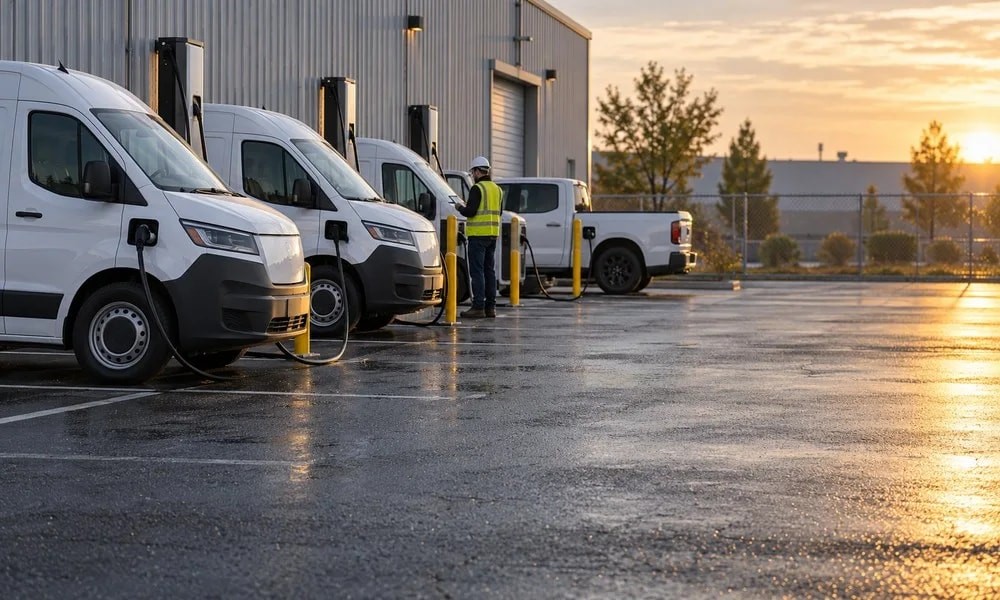
How Fleet Insurance Changes When a Business Adds Electric Vehicles
What shifts with an electric vehicle in the fleet is the value of the vehicle, how repairs are handled and a few coverage edges that never came up with gas engines.

What shifts with an electric vehicle in the fleet is the value of the vehicle, how repairs are handled and a few coverage edges that never came up with gas engines.
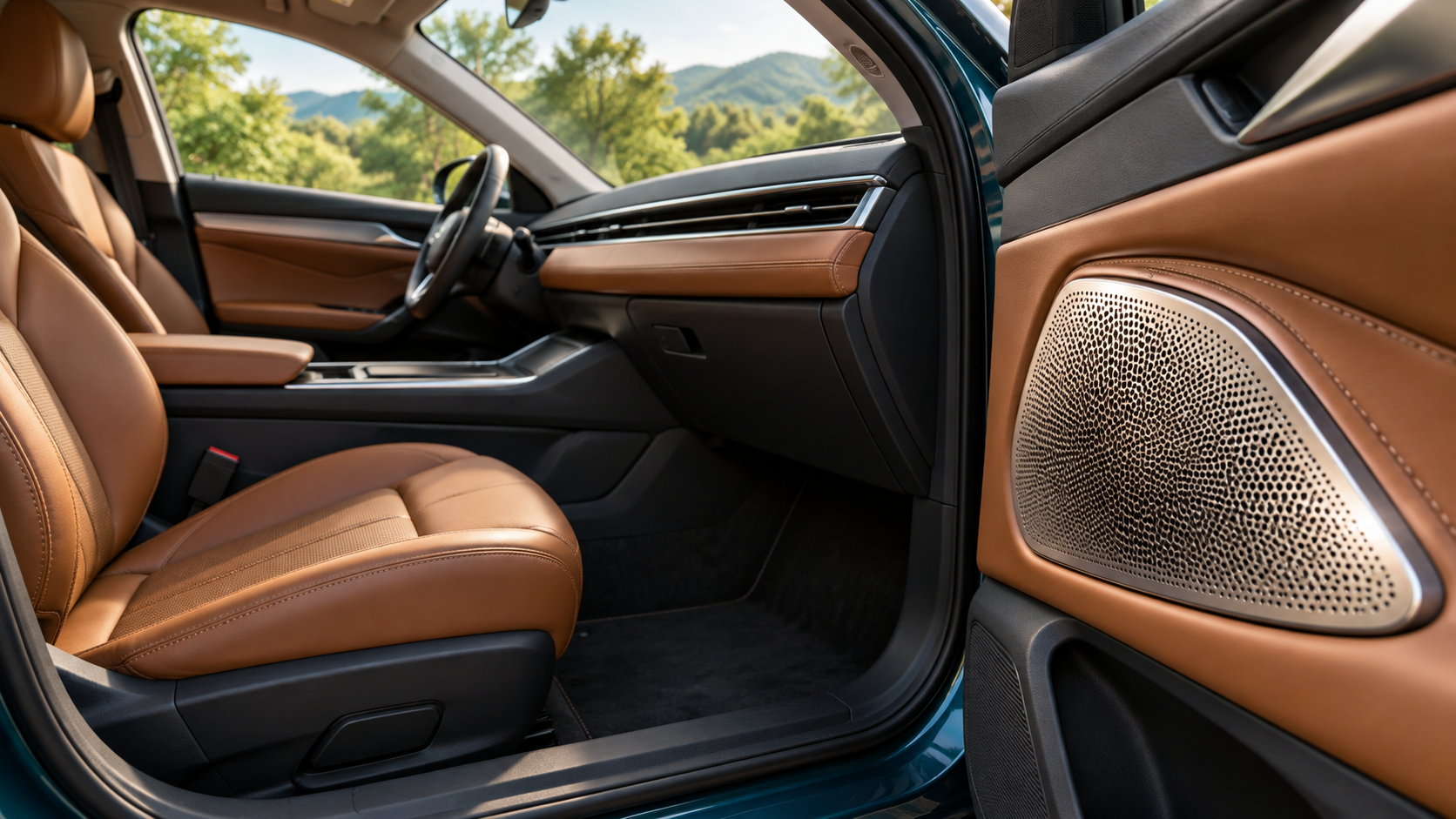
A quiet electric motor changes the sound inside a car, but it does not remove everything competing with the stereo. The cabin remains a listening space shaped by the journey as well as the audio system.
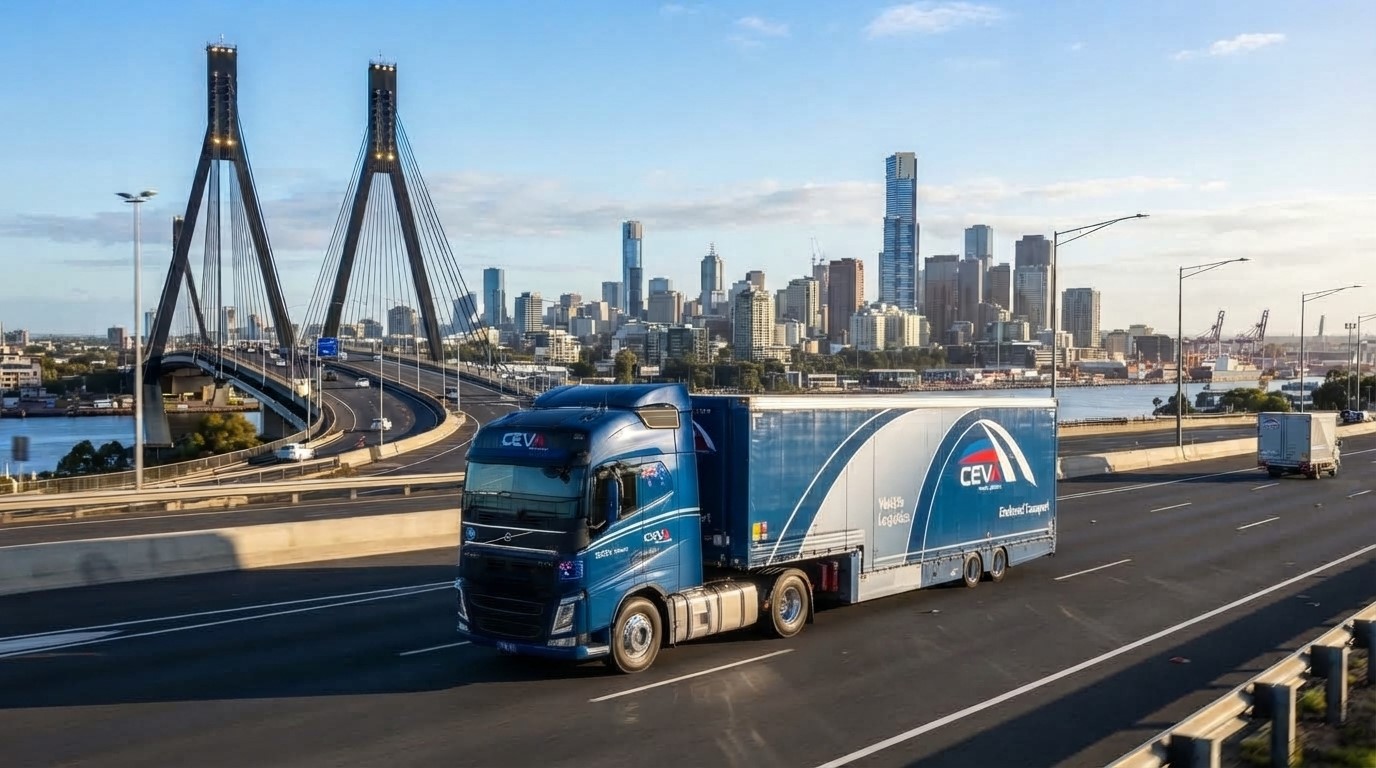
Intercity transport is one of the most common car transport options, but the key to finding the right service is getting a good quote.
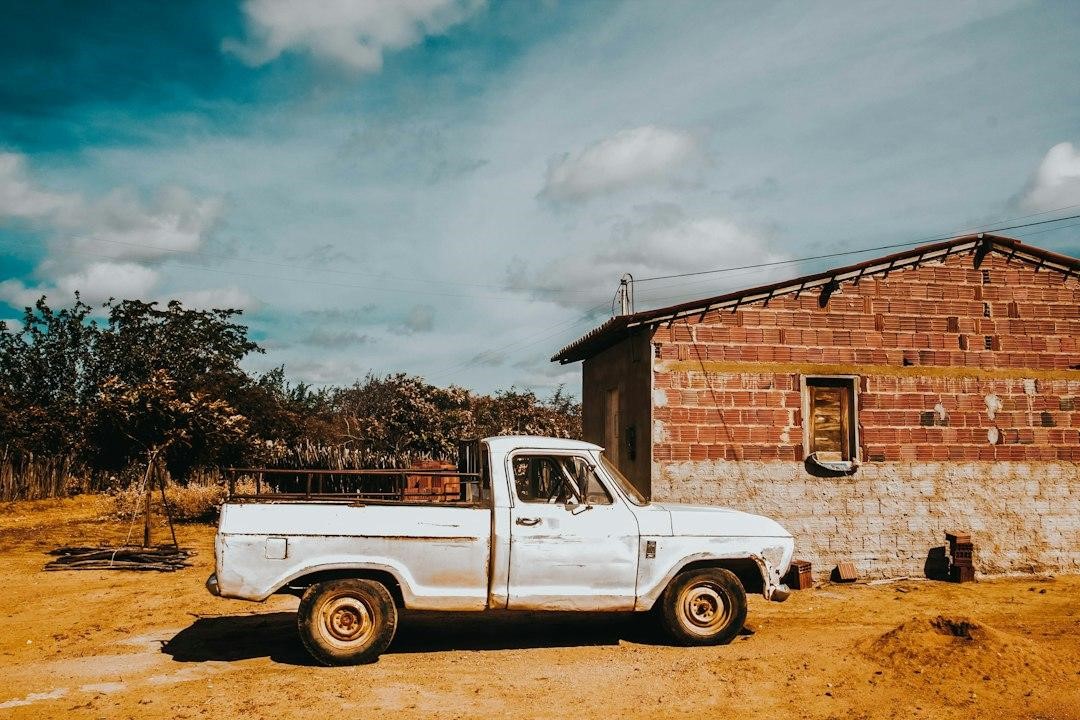
Work vehicles rarely leave the dealer finished. In dry or fire country, a growing number of owners add one more item: a water tank with a pump.
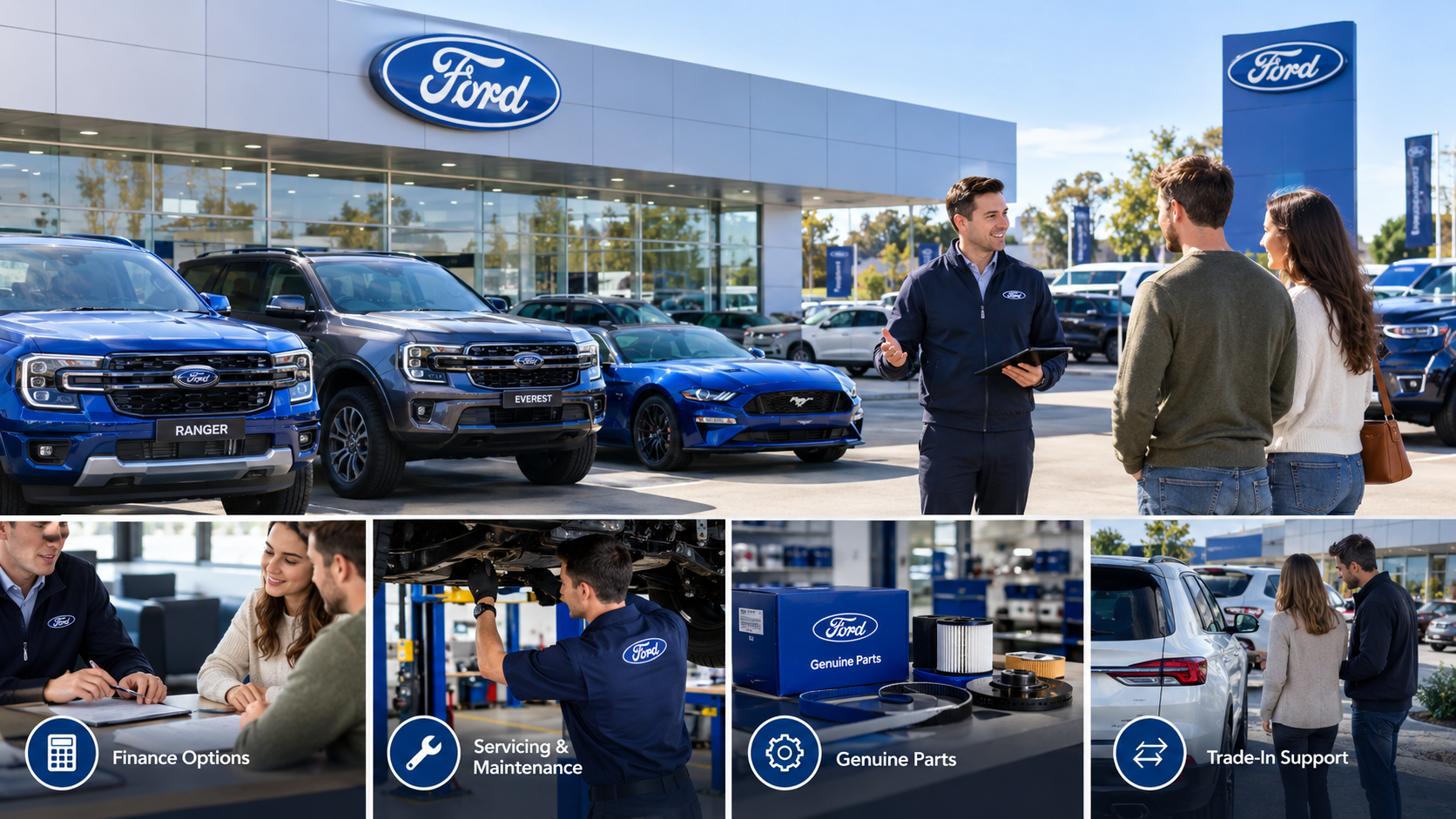
While many people think a car dealership is only for buying a new vehicle, the savvy businesses have realized they need to be much more.
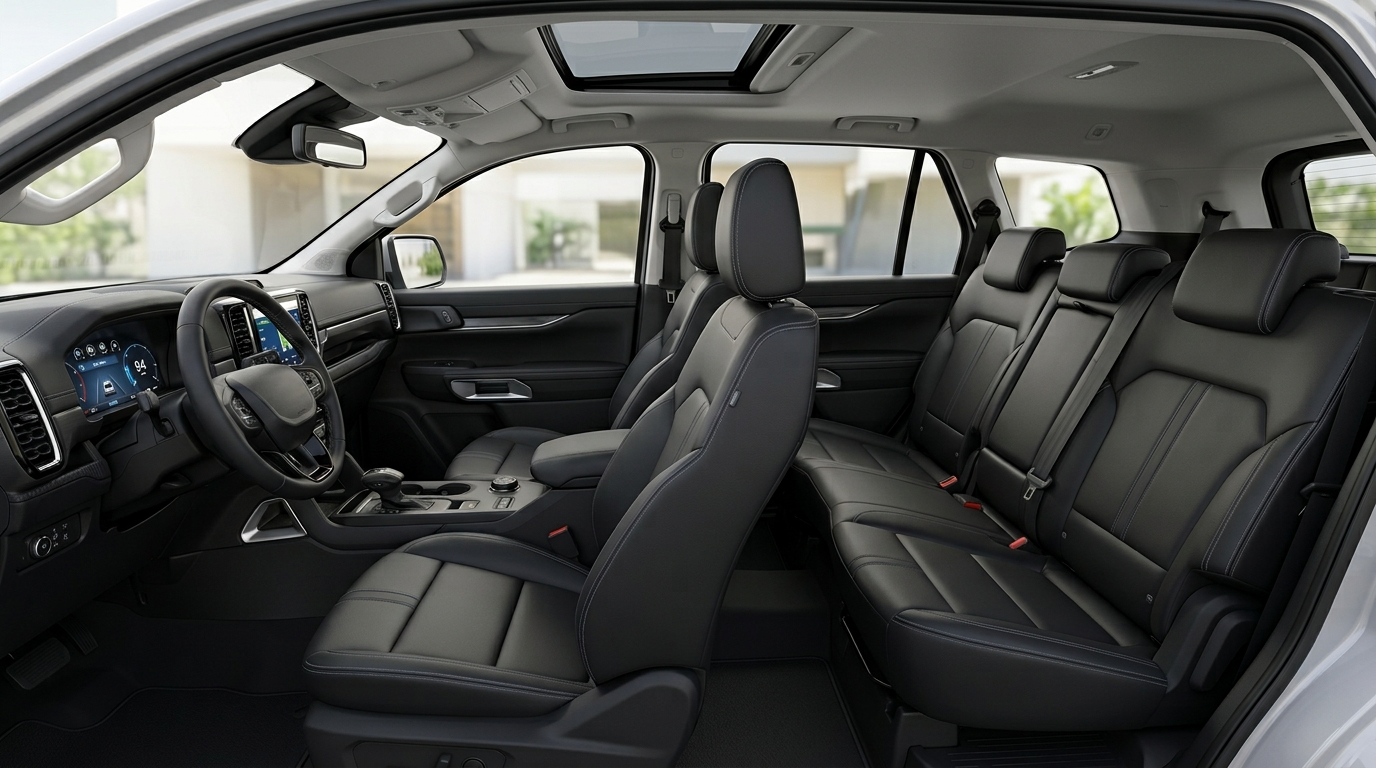
If you use your Toyota Land Cruiser 79 Series a lot, your seats can get worn out. Mud, work gear, wet clothes, sun and long days on rough roads can leave marks.
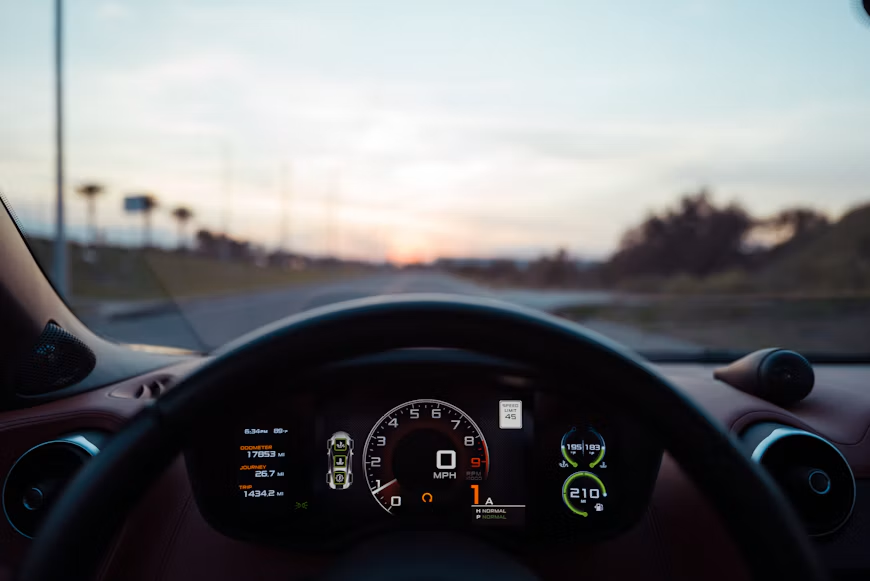
Today’s cars are loaded with sensors, GPS devices and miniature computers that discreetly document most everything you do when you drive.

Legal issues can spring up in the aftermath of a car accident, a repair shop dispute or the discovery of a serious defect in a new car.

Whether you’re leading a family trick-or-treat expedition or joining a community electric bike Halloween parade, your e-bike is the perfect vehicle for the occasion.
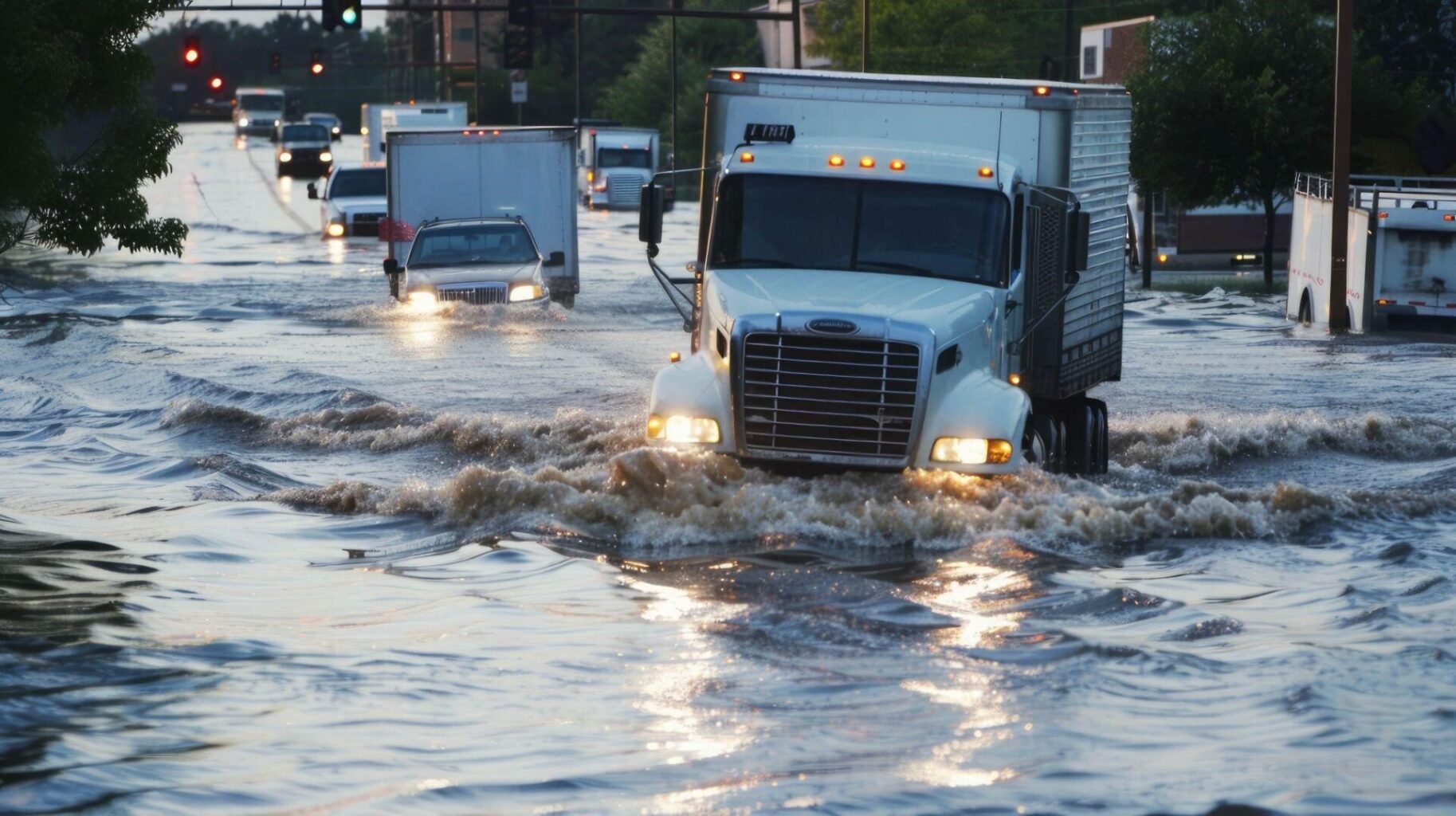
A little preparation before the first call on a flood-damaged truck keeps you from leaving money on the table or wasting days on back-and-forth questions.