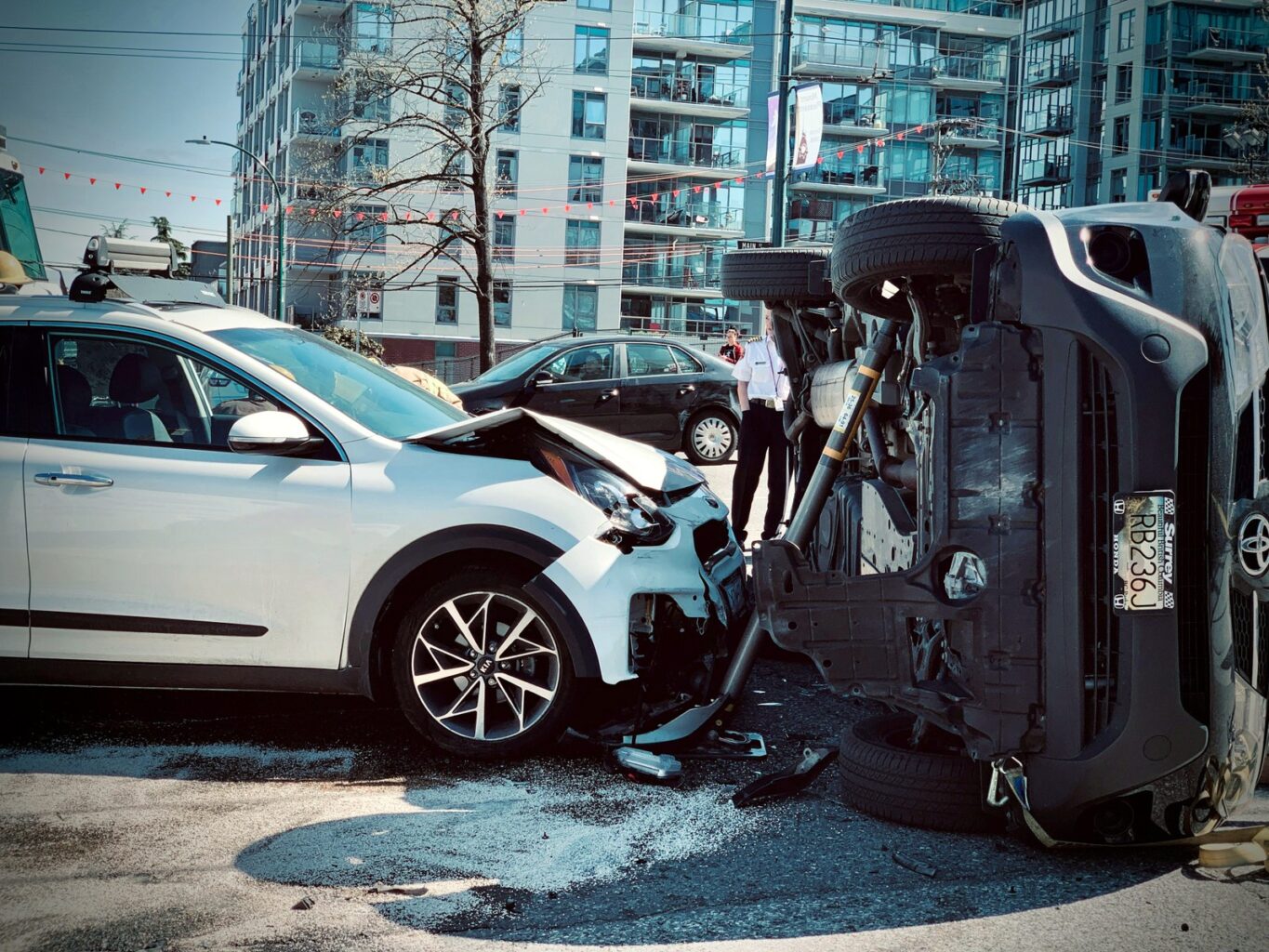
Roadway Collisions Are Growing More Legally Complex as Vehicles Evolve
As modern passenger vehicles integrate complex sensors and automated aids, determining fault after highway collisions demands deeper technical scrutiny.

As modern passenger vehicles integrate complex sensors and automated aids, determining fault after highway collisions demands deeper technical scrutiny.
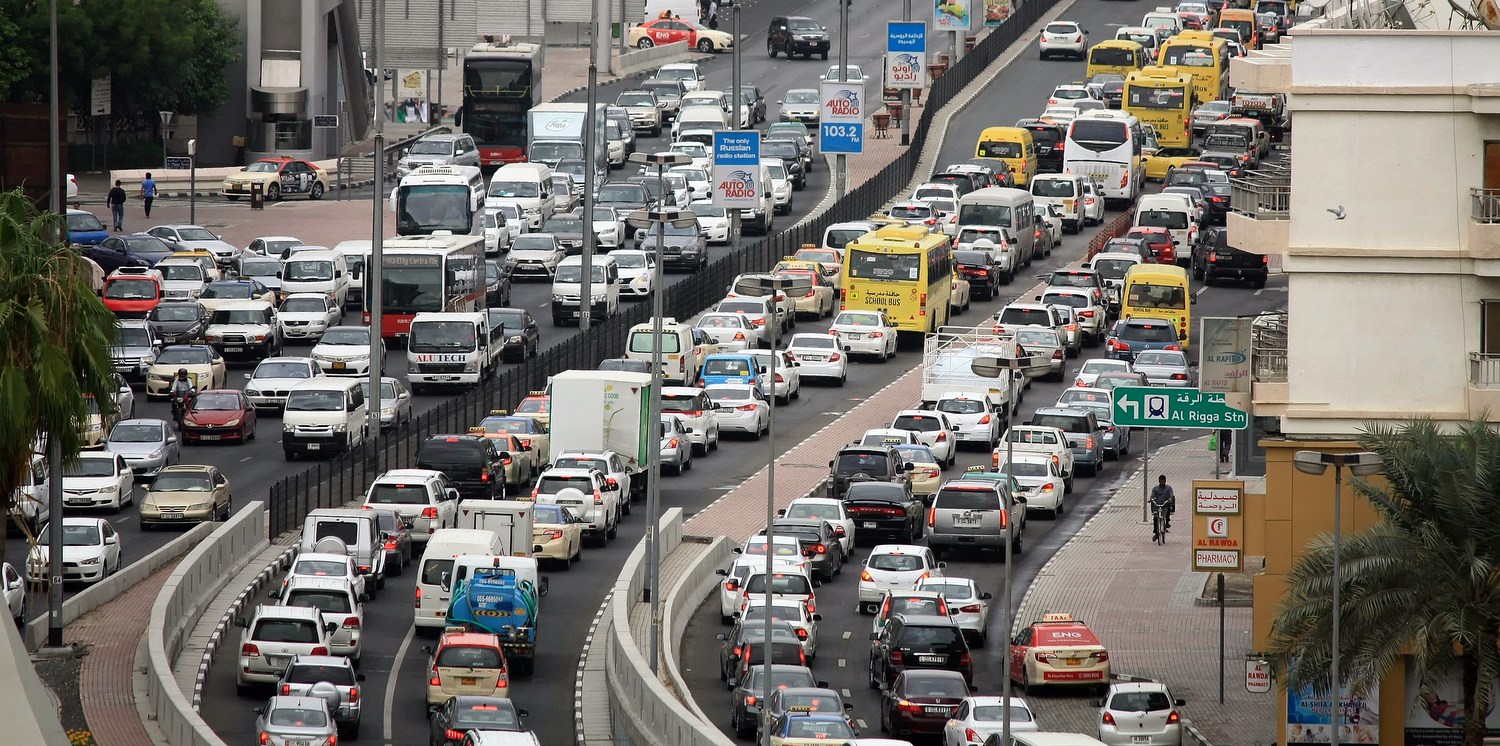
Driving is more than just obeying the laws. It demands attention along with awareness of potential dangers primarily due to changing conditions.
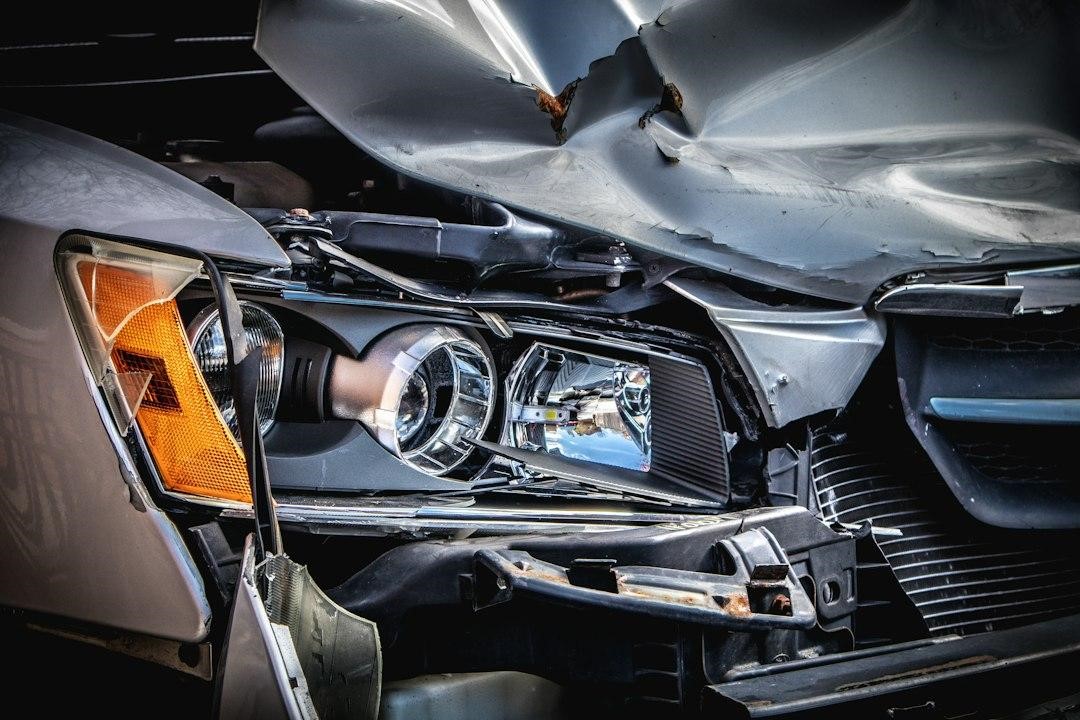
A battery pack simply adds steps at the scene and in the shop. Treat this as a general guide for EV owners and fleet managers.
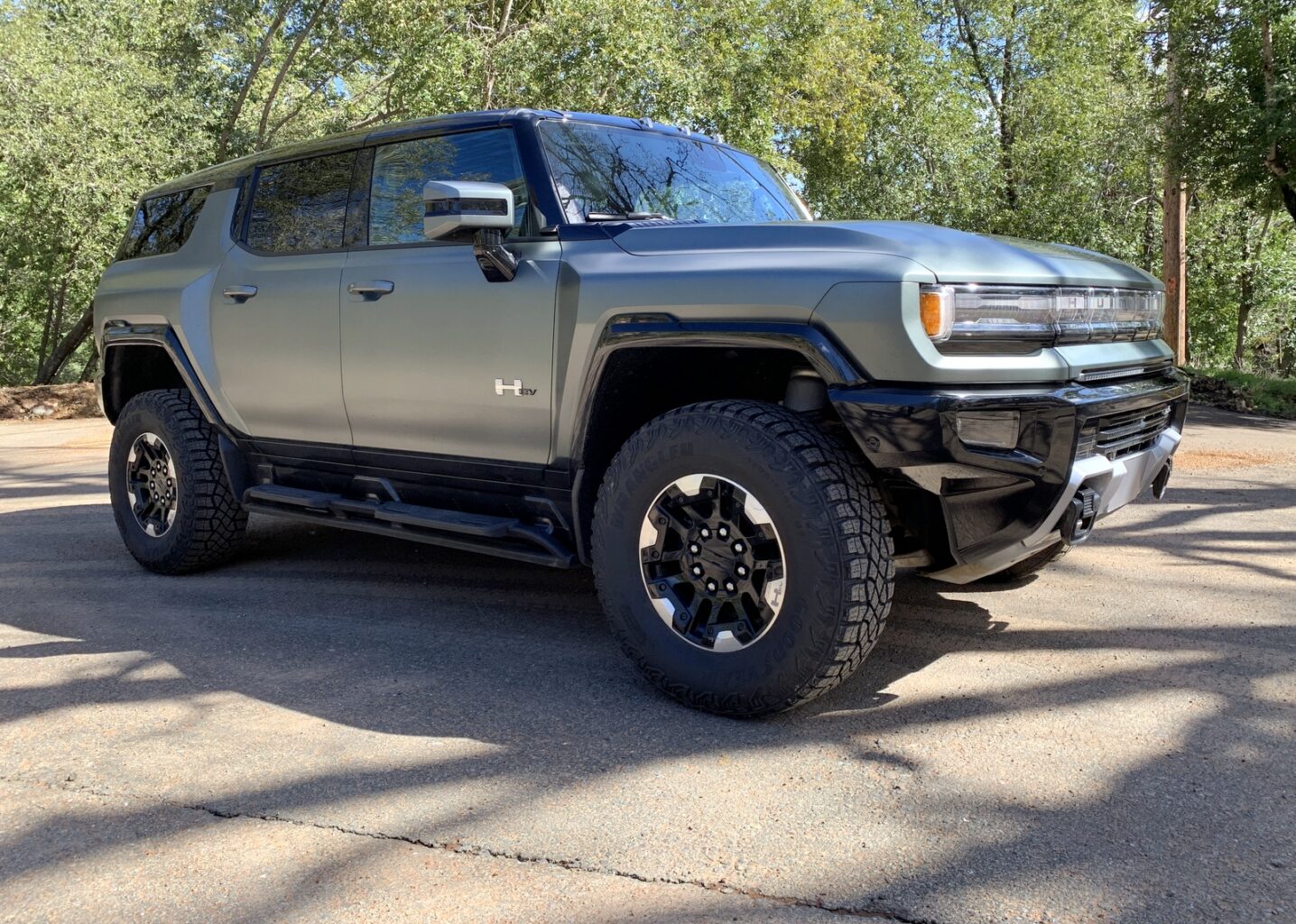
Physics explains it. In a collision, the heavier vehicle keeps more of its momentum and pushes the lighter one backward, so the people in the smaller car absorb more force.
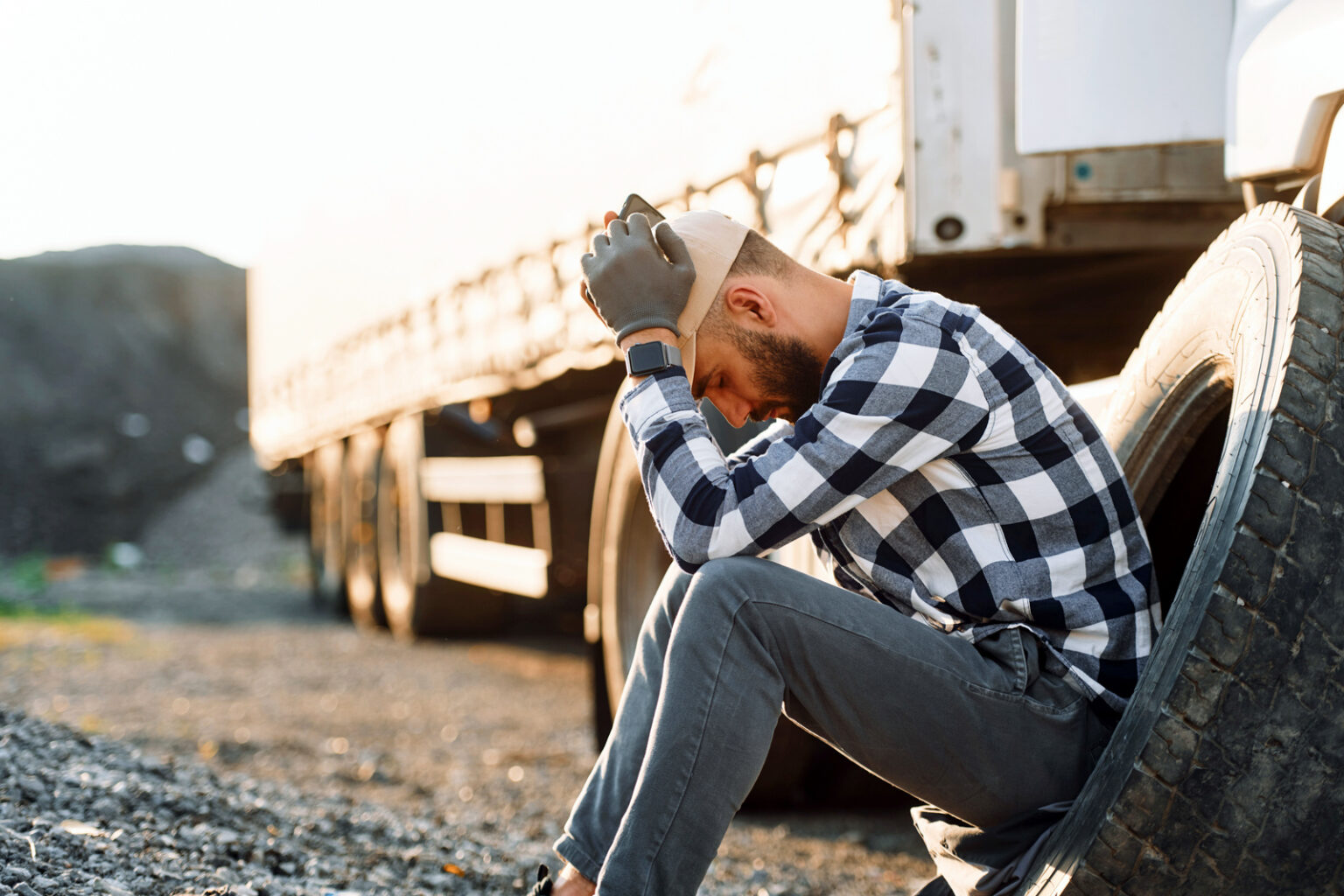
If you, or someone you care about, is healing from a truck accident, it can be easier when you understand some of the rights that protect individuals in those situations.
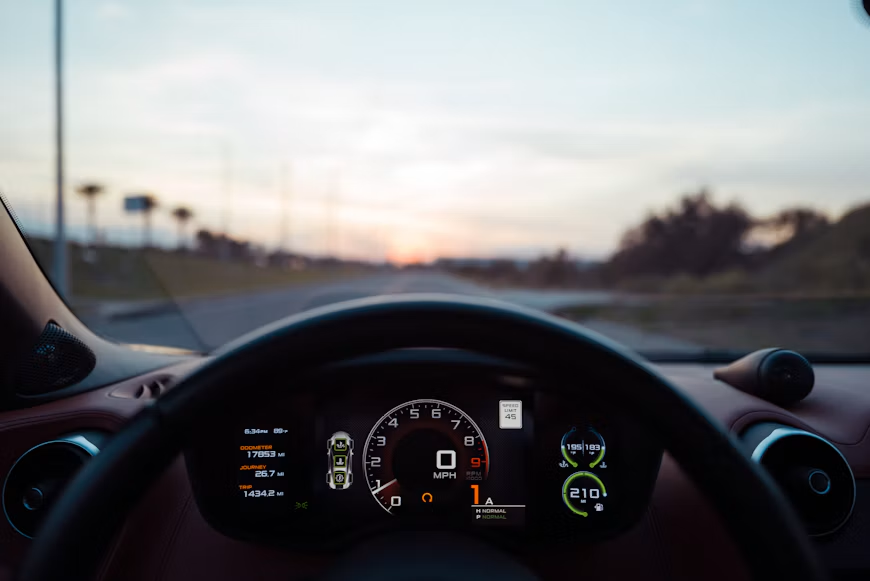
Today’s cars are loaded with sensors, GPS devices and miniature computers that discreetly document most everything you do when you drive.

Legal issues can spring up in the aftermath of a car accident, a repair shop dispute or the discovery of a serious defect in a new car.
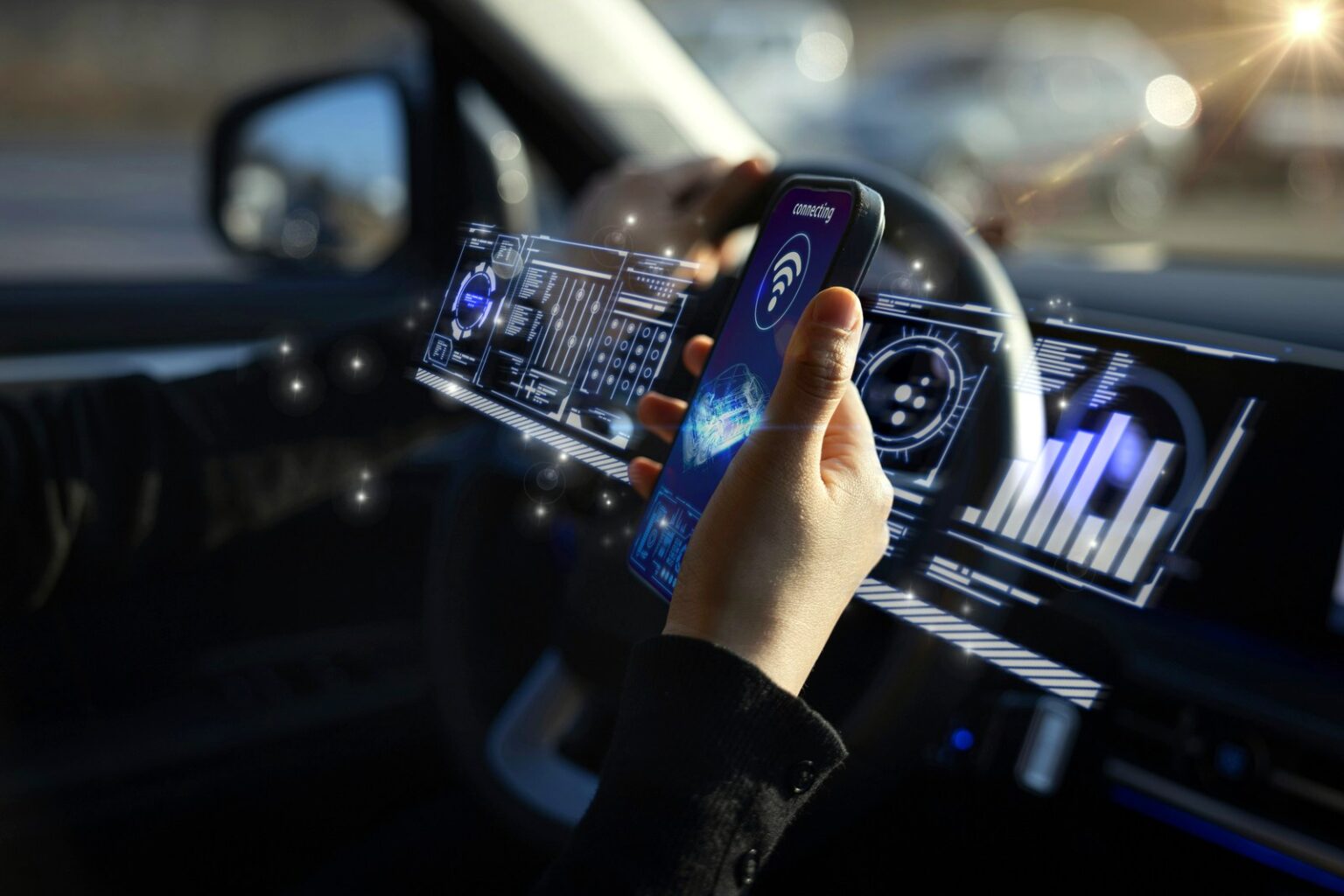
Smarter cars prevent many crashes. Plenty still happen anyway, though.

Automotive employees and employers are subject to laws that cover recruitment, conduct on the job, compensation, discrimination, time off from work, firing and many other matters that could have a substantial impact on people’s lives.
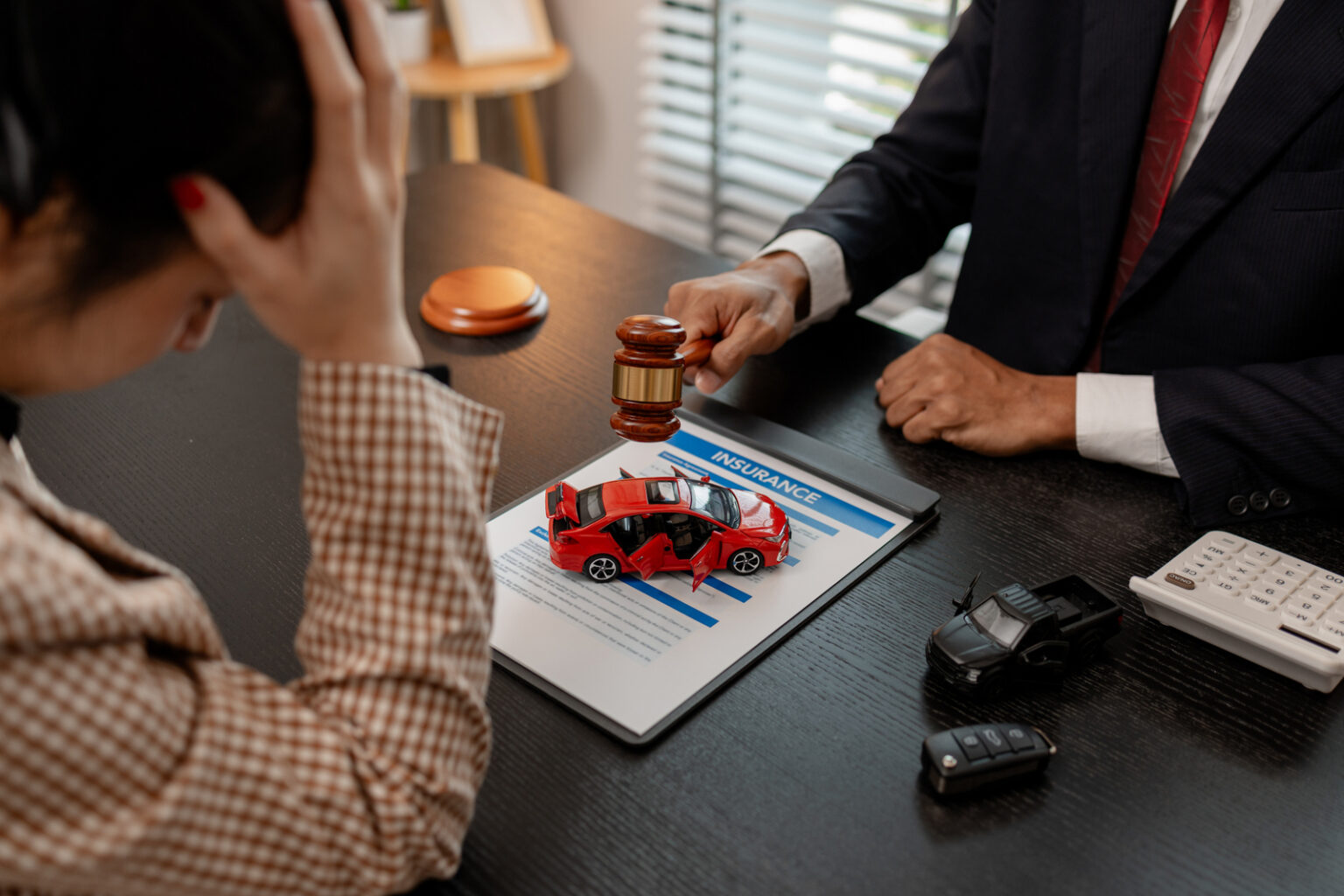
Those who have been hurt can have limits set on losses, arguments against their own responsibility and help as they recover, pay debts and work through their disputes over responsibility with others.