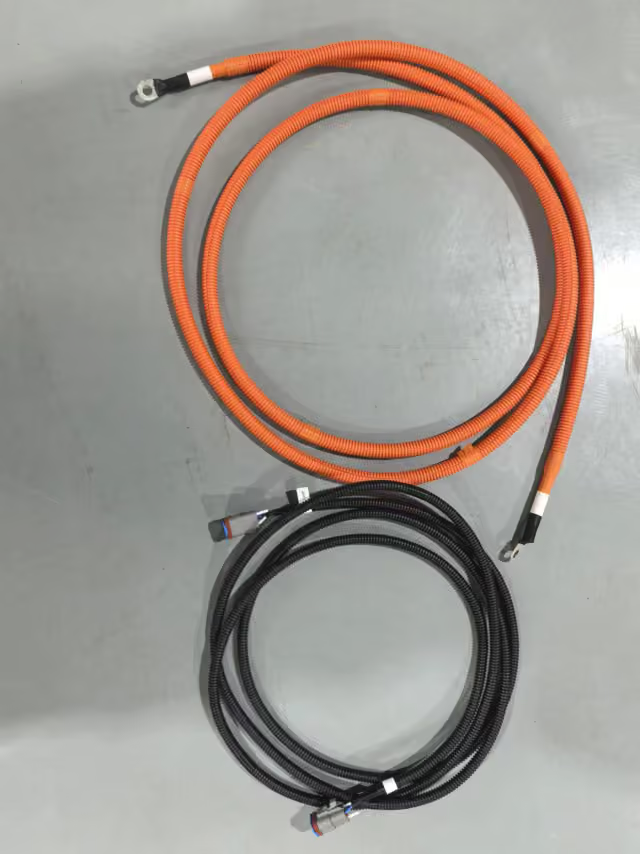
High-Voltage EV Wire Harnesses: What to Specify Before Ordering
When specifying high-voltage wire harnesses, identify the circuit and its operating voltage range, including the maximum expected voltage rather than only the nominal system label.

When specifying high-voltage wire harnesses, identify the circuit and its operating voltage range, including the maximum expected voltage rather than only the nominal system label.

Managing long-haul commercial transport demands continuous insight into vehicle diagnostics, engine metrics and driver safety across vast transit routes.
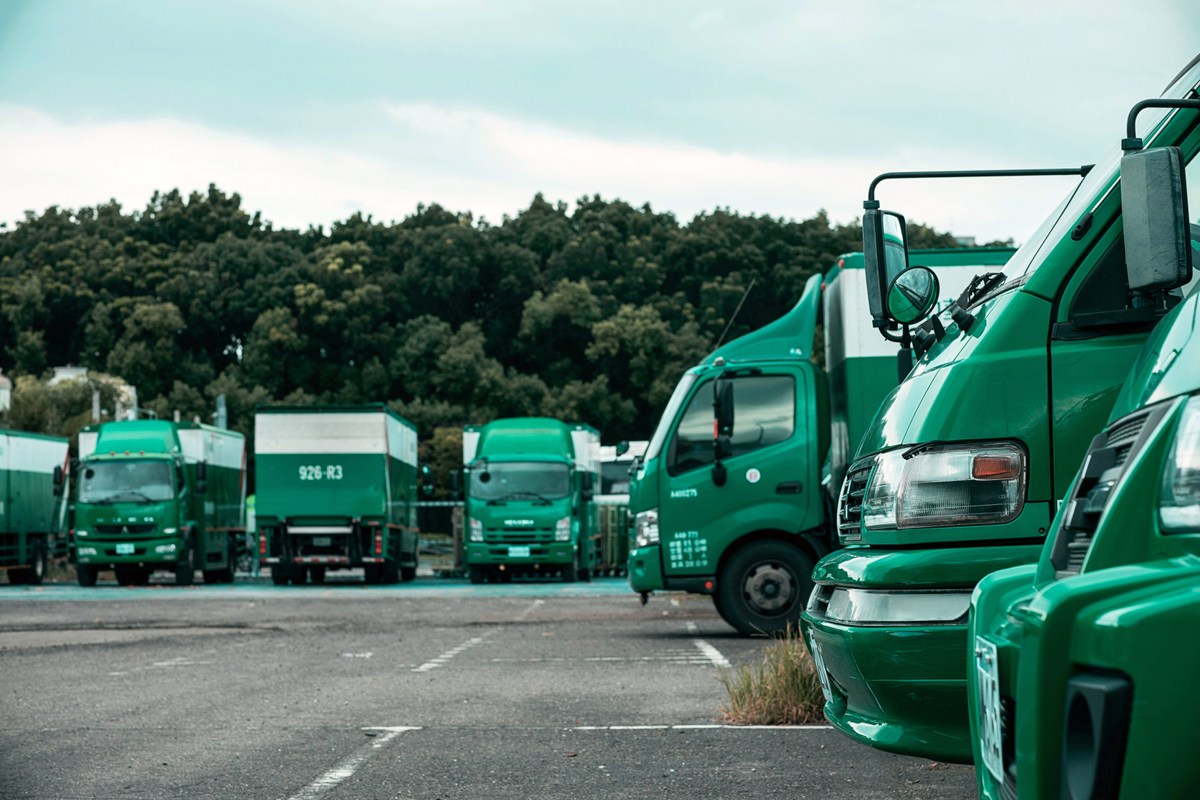
Electrifying a commercial fleet can reduce fuel use and change long-term maintenance costs, but the financial case depends heavily on how vehicles and charging infrastructure are funded.

Software won’t fix everything, but the right tool can reduce retyping and help you bill sooner.
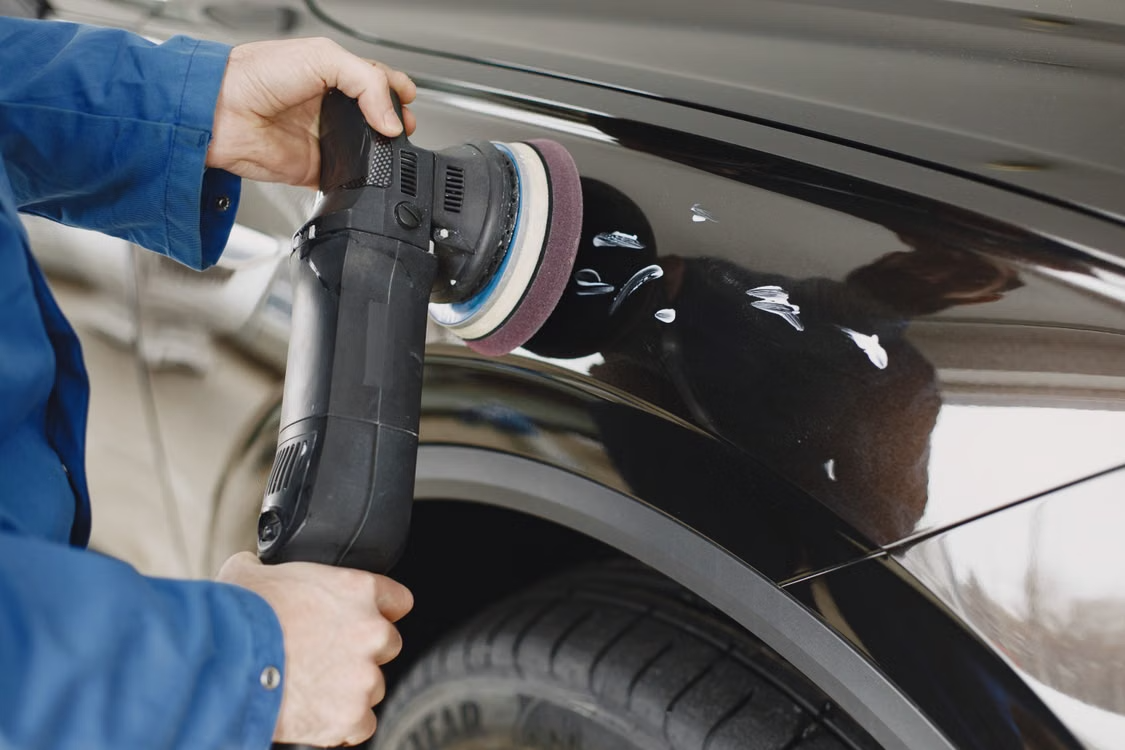
Mobile scratch repair services offer an alternative by bringing technicians and specialized equipment directly to the vehicle.

For fleet operators, insurers and injured parties, an accident investigation can depend heavily on digital records and maintenance documents that show what the vehicle and driver were doing before the collision.

A damaged vehicle can still have a strong market value and be a total loss at the same time.

These technologies promise to revolutionize how people move, creating transportation systems that are not only greener but also more efficient, equitable and responsive to citizens’ needs.
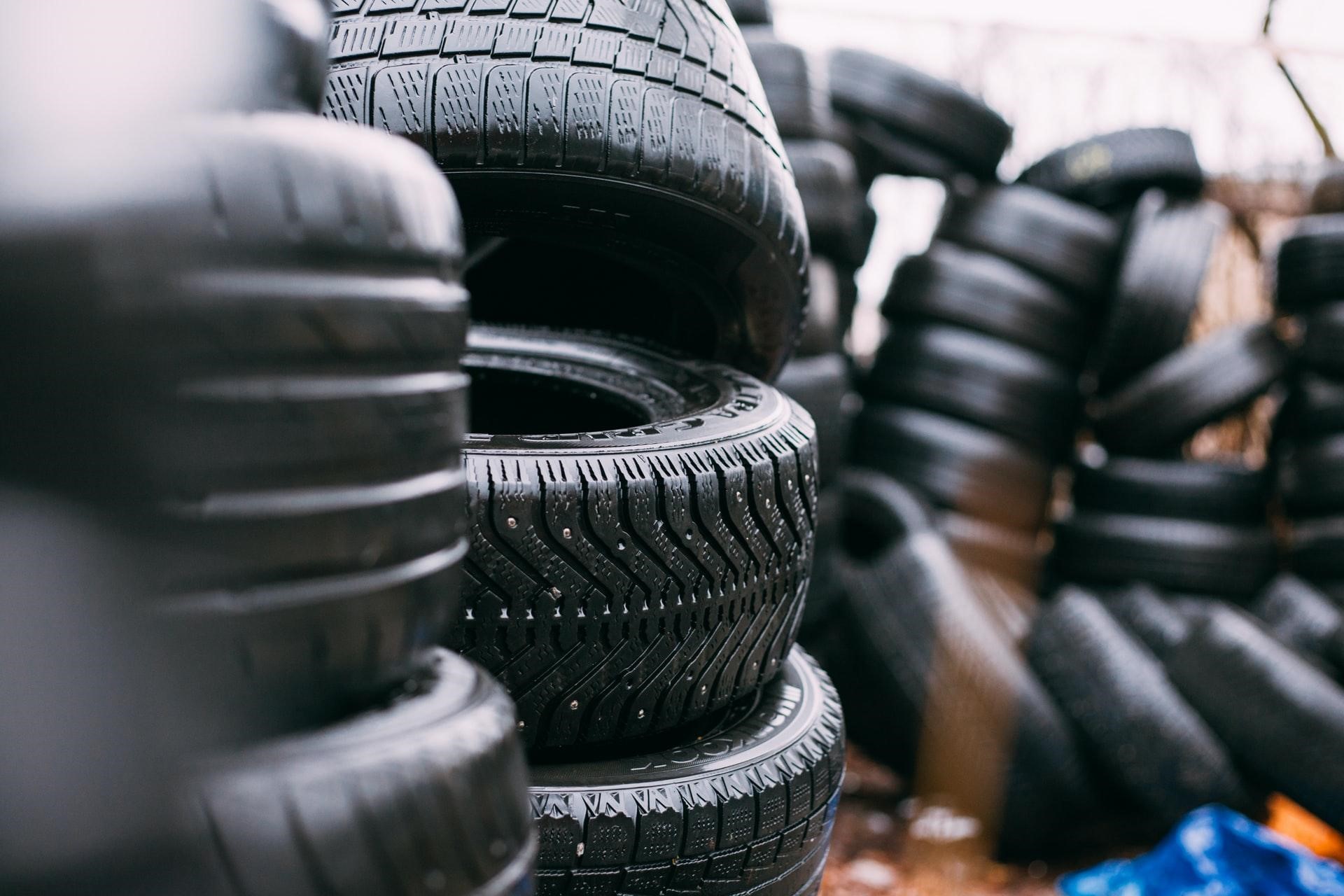
Tire catalog and inventory, bay scheduling, digital inspections and TPMS tracking, customer retention, fleet accounts and reporting are the six areas worth checking off before signing a contract with any shop management platform.

Fleet maintenance records for your Sprinter van become useful when they show patterns across mileage, routes, faults and repair outcomes.