
Advanced Vehicle Technologies and Accident Prevention Strategies
Smarter cars prevent many crashes. Plenty still happen anyway, though.

Smarter cars prevent many crashes. Plenty still happen anyway, though.
Shopping for a new vehicle can be exciting, but choosing between different models can also be a bit overwhelming.

Luxury cars elevate everyday travel by blending refined craftsmanship with sophisticated engineering.
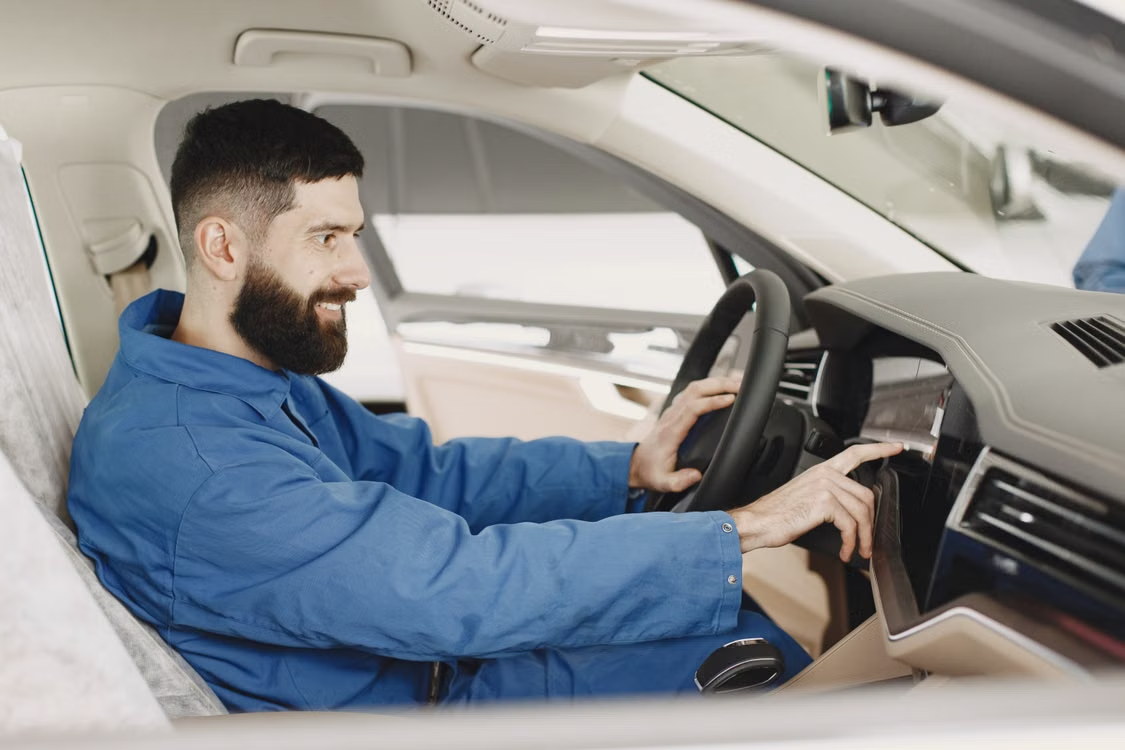
Advanced driver-assistance systems (ADAS) features such as automatic emergency braking, lane-keeping assistance, adaptive cruise control and blind-spot monitoring can improve safety, but they also introduce new questions when a crash occurs.
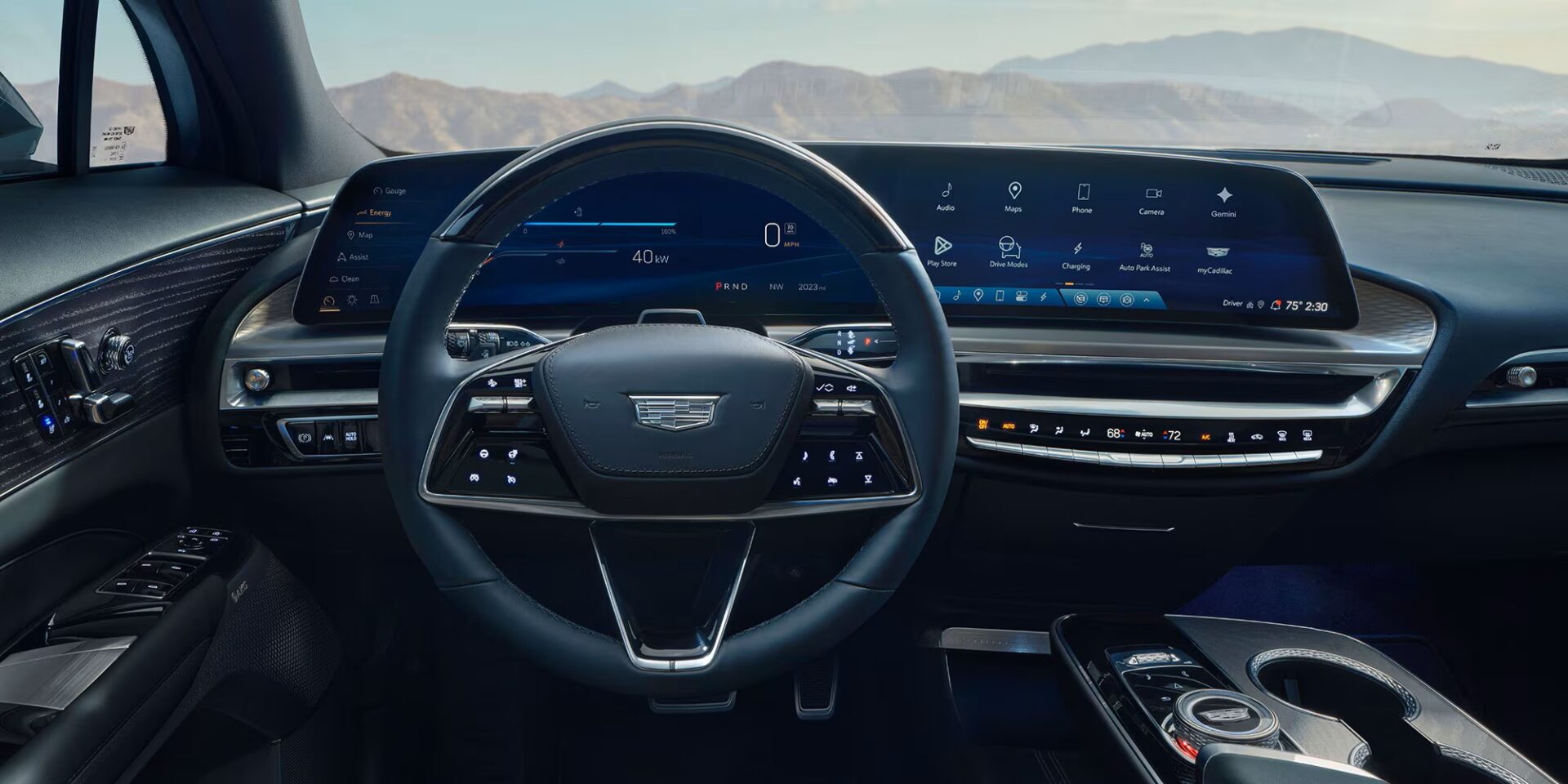
Vehicle-to-everything technology addresses this gap by exchanging live data between the vehicle, road infrastructure, and other road users.
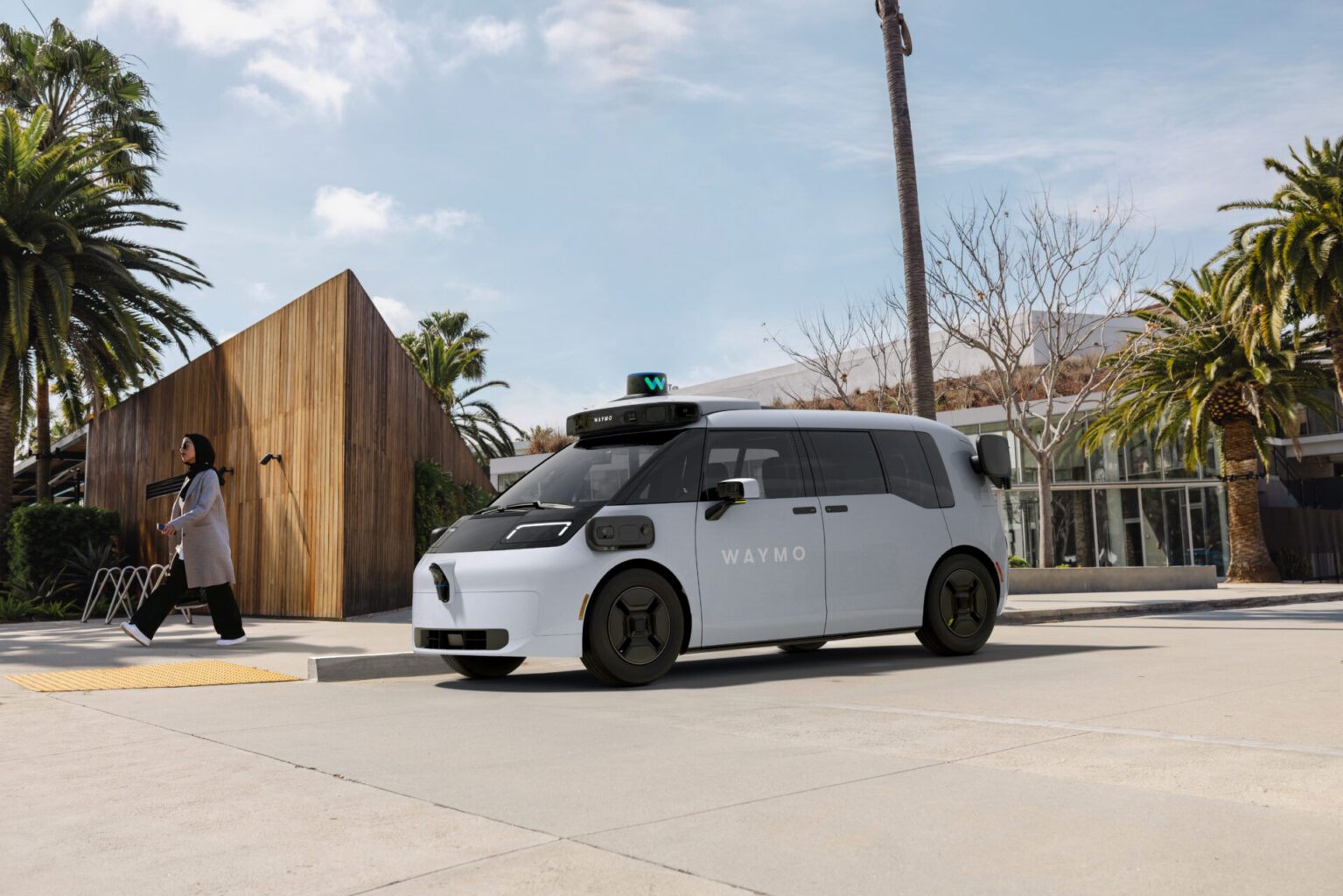
This article may contain affiliate links. Phoenix has quietly become the proving ground for self-driving cars in America. Waymo runs thousands of paid robotaxi rides … Read more
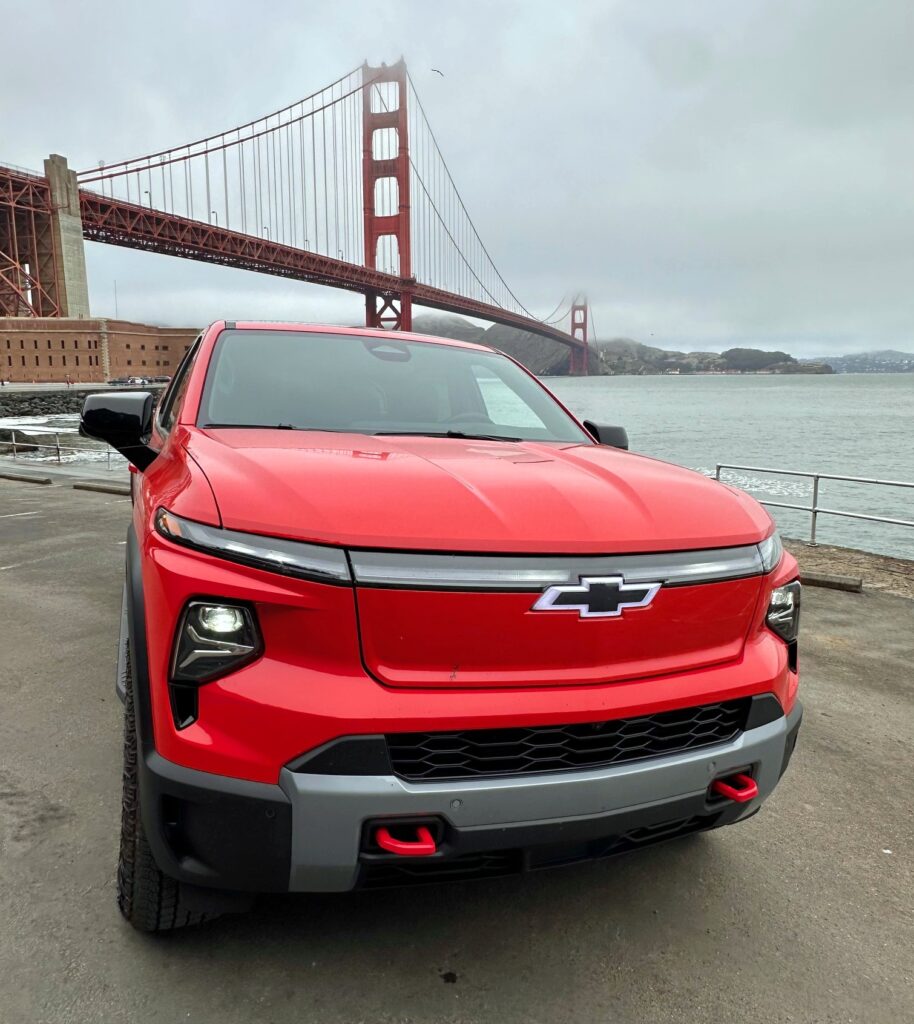
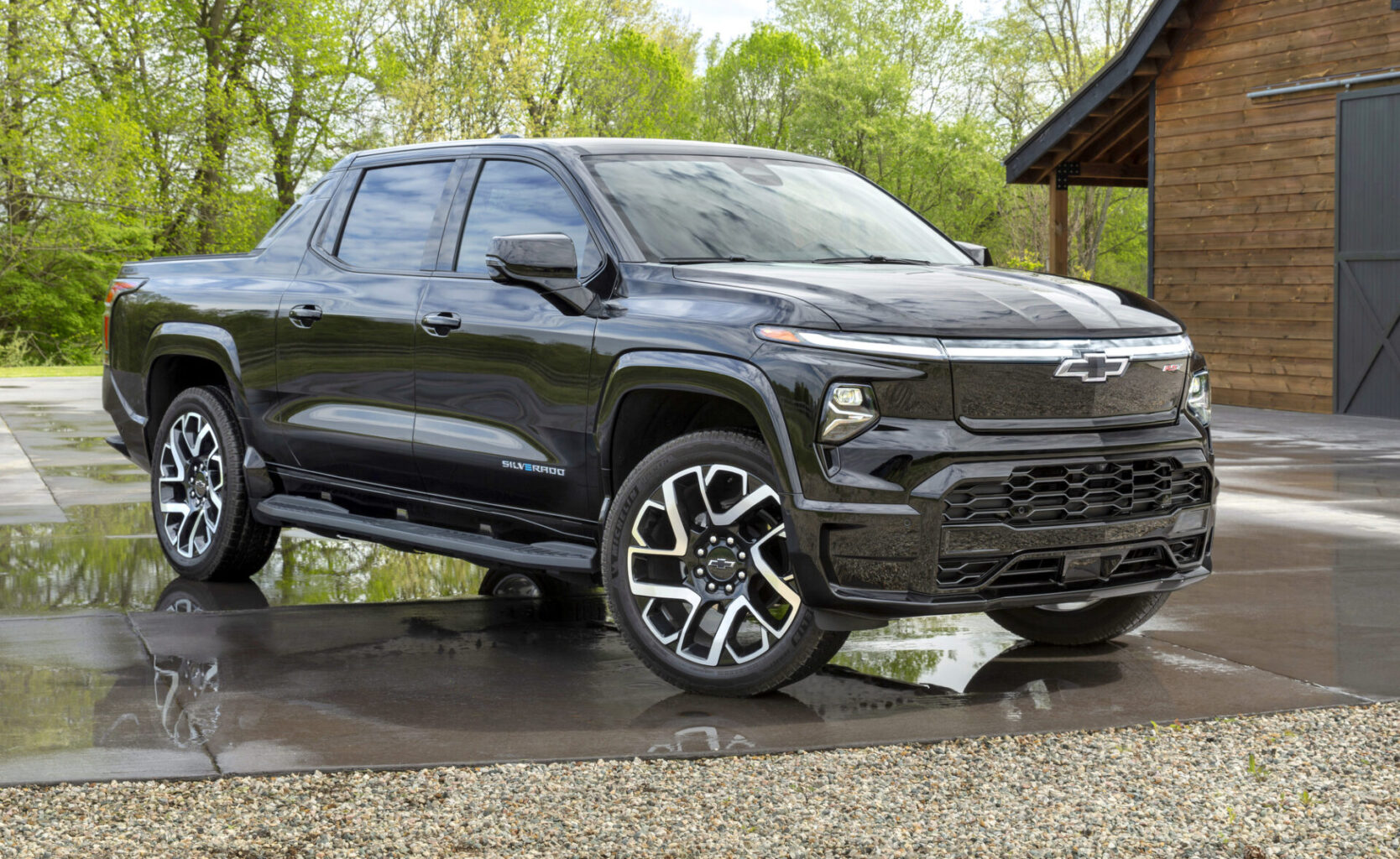
The 2026 Chevrolet Silverado EV is everything you need in a pickup, but without the trips to the gas station or the oil change shop.

Drivers should know what to check, what questions to ask and what to expect before booking a windshield replacement.

AI-powered driver monitoring systems create a prevention culture that human supervision cannot match.
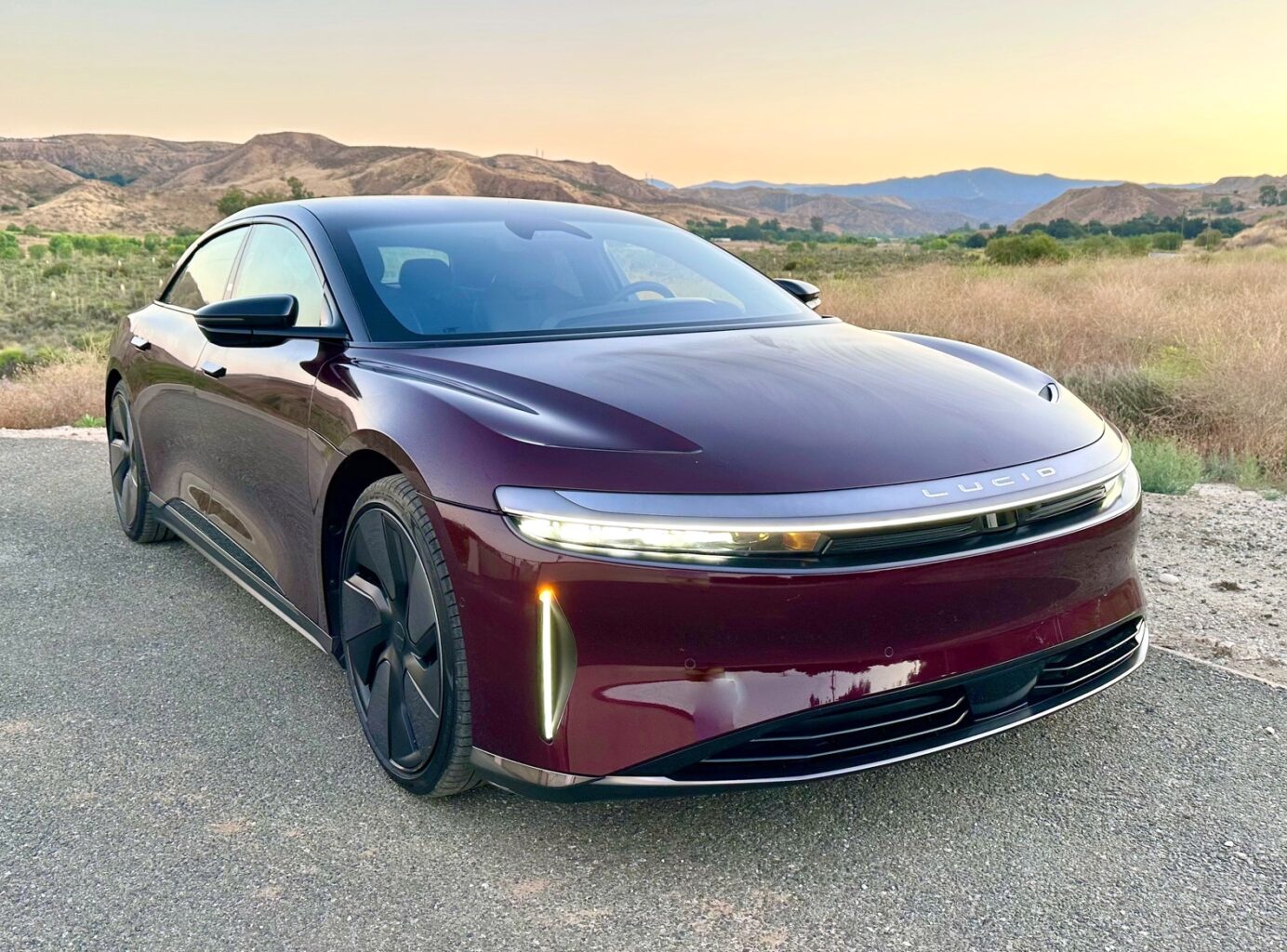
The 2026 Lucid Air Grand Touring is the sweet spot of the company’s signature sedans. It comfortably seats four adults in real luxury with advanced technology, superb all-electric driving range, eye-popping performance and a superbly smooth ride.