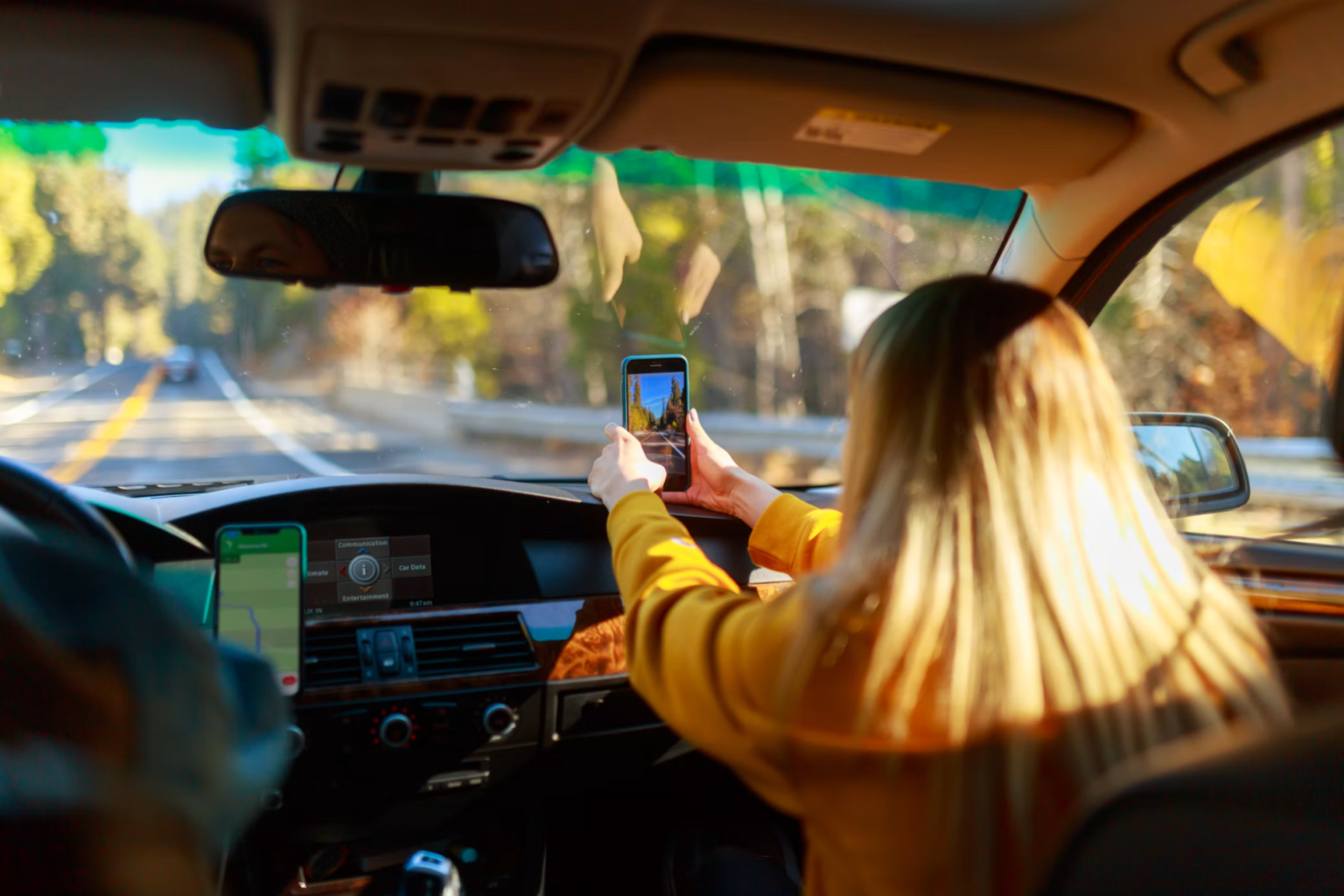
How Connected Cars Are Changing Road Trips and Digital Entertainment
Electric powertrains, connected infotainment systems, advanced navigation and increasingly sophisticated software are transforming how people experience long-distance travel.

Electric powertrains, connected infotainment systems, advanced navigation and increasingly sophisticated software are transforming how people experience long-distance travel.

The clean fleet transition is not only about replacing fuel. It is about redesigning transportation around connected vehicles, software, automation and better use of operational data.

The Fiido T3 Max cargo e-bike can carry family members, camping equipment, delivery loads, creative gear, groceries, or commercial cargo. But more importantly, it can also help keep the devices that modern life depends on alive.

Carmakers spent a century mastering metal and torque—now they’re racing to master code that has to keep working for 10 years without anyone touching the hardware.
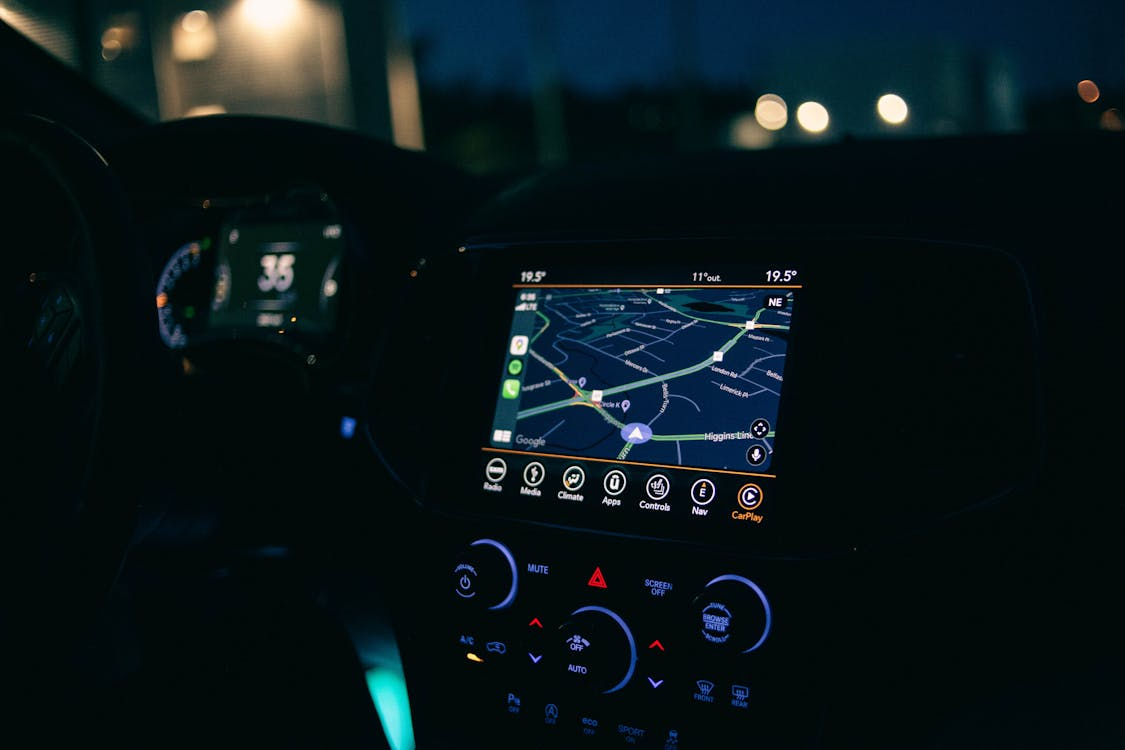
Vehicles are expected to communicate with each other, surrounding infrastructure and centralized traffic systems to coordinate movement at scale. Latency will play a critical role in making this possible safely and consistently.
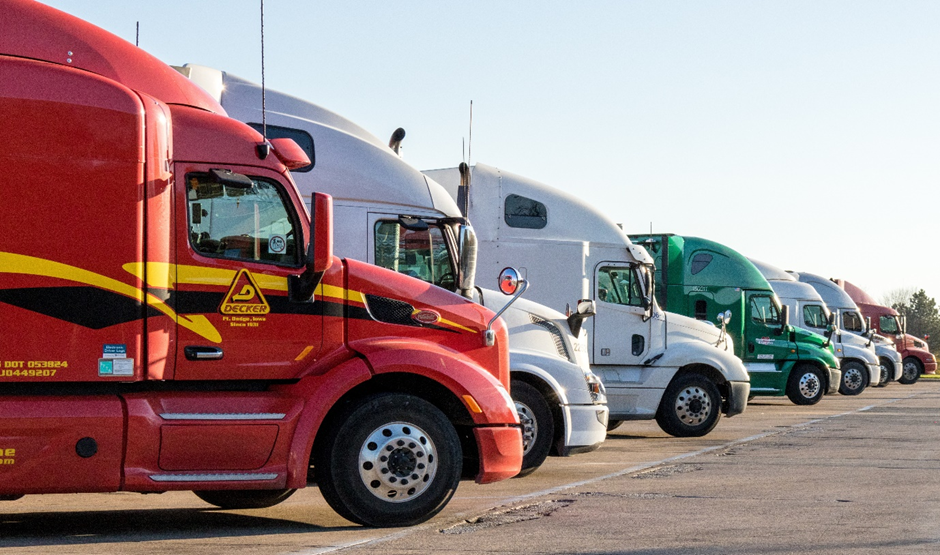
Connected vehicle safety systems help close the gap by giving operators live visibility into what their vehicles and drivers are doing.
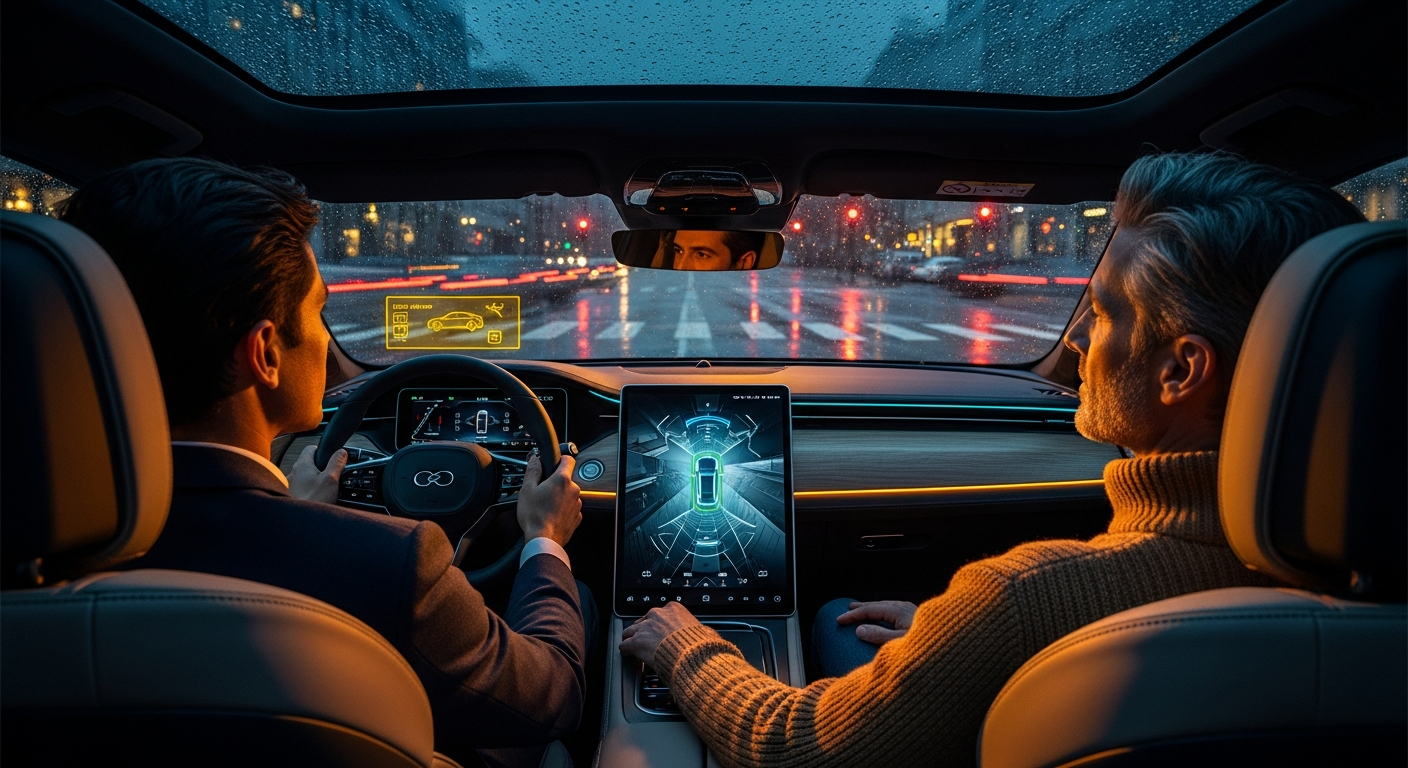
Modern electric vehicles act as continuous safety networks, always scanning for hazards and adapting to keep drivers safe.
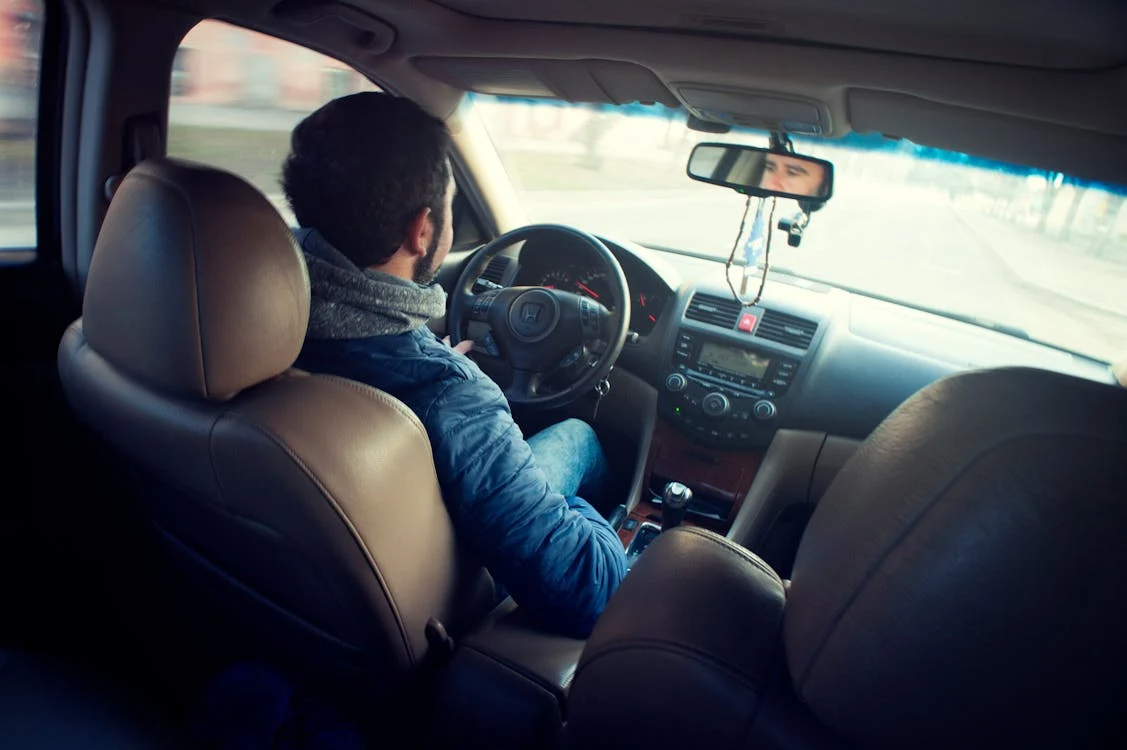
Connected cars are revolutionizing how insurers price their policies. Drivers want rates that actually reflect their individual risk.

Although policy frameworks to protect EV data privacy are evolving, information remains at risk of exposure.

The automotive industry is going through a significant shift, mainly fueled by the incorporation of the Internet of Things (IoT). It will be a cornerstone of vehicle safety.