
This article may contain affiliate links.
A delivery van rolls toward an intersection as the light is about to change. The car ahead brakes suddenly—in that split second, the van’s system has to read sensor data, communicate with nearby vehicles and decide what to do. If that information shows up even a fraction of a second late, the decision is already behind the moment.
That’s the reality of connected vehicles. It’s not just about smarter software or better hardware; what really matters is how quickly information moves between the car, the network and the surrounding infrastructure.
Speed isn’t a bonus: it’s the difference between reacting in time and reacting too late.
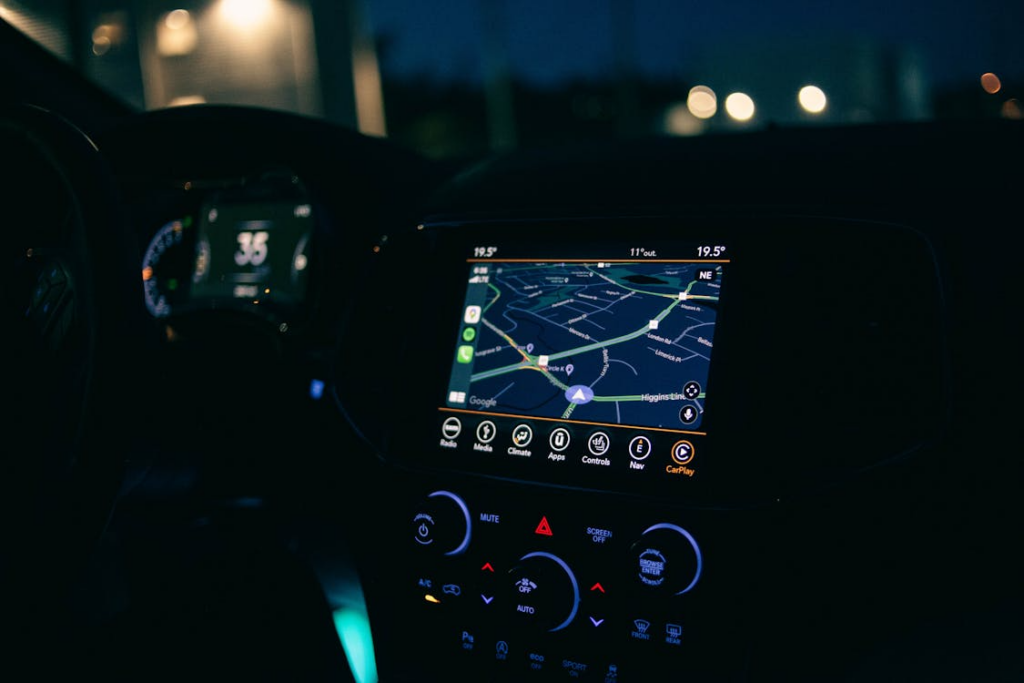
Understanding the Concept of Low-Latency
Low-latency reduces the delay between an input, the data being processed and the system’s response. In connected vehicles, that delay can affect braking alerts, hazard detection, route adjustments and communication with nearby infrastructure. The shorter the delay, the more accurately the system can respond to real-time events.
The same principle applies across any digital platform where timing shapes the experience. Financial trading platforms, surgical robotics, industrial automation, live sports data feeds and streaming systems all depend on information moving quickly and reliably. When latency is too high, the system may still function, but it no longer feels properly synchronized with the moment.
This is also why low-latency platforms like live casinos are useful online examples outside the automotive world. In a live casino environment, the user interface, video stream, dealer actions, platform response and backend validation must remain closely aligned. If the video lags, if inputs register late or if results update out of sequence, the sense of real-time interaction breaks down.
Connected vehicles operate in a far more safety-critical context, but the underlying technical requirement is similar: data must travel, be processed and be returned quickly enough to remain relevant. Low-latency is not just about speed for its own sake; it is about keeping digital systems aligned with real-world events as they happen.
What Low-Latency Actually Means on the Road
In everyday internet use, a slight delay isn’t a big deal, but in a connected vehicle moving at highway speed, that same delay can be critical. It can mean the difference between a clean maneuver and a serious accident.
Modern vehicles generate massive amounts of data, from sensors and cameras to GPS and system diagnostics, sometimes reaching tens of terabytes per day. Not all of this data requires immediate processing, but safety-critical information does.
To manage this, systems divide responsibilities. Immediate decisions, such as braking and steering, are handled locally within the vehicle, where response time is fastest. Meanwhile, broader functions like analytics, route optimization and predictive maintenance are handled in the cloud. Finding the right balance between these layers is essential for both efficiency and safety.
Fleet Tracking Depends on Real-Time Precision
Fleet operators managing large numbers of vehicles need a clear, real-time view of operations, including location, performance and scheduling. Telematics systems make this possible by transmitting location data, driver behavior, diagnostics and even video feeds as events occur.
However, this data is only useful if it arrives quickly. A routing system updating every 30 seconds can help drivers avoid traffic. One update every five minutes may lead them directly into congestion. For companies working within tight delivery windows, that difference directly impacts costs and customer satisfaction.
Today’s AI-driven fleet systems can manage routing, maintenance alerts and energy use for electric vehicles. These systems depend on consistent, low-latency data streams. If information is delayed, decisions are based on outdated conditions, reducing efficiency and increasing risk.
Electric Vehicles Add Another Layer of Complexity
Electric vehicles introduce additional data demands that traditional vehicles do not have. Battery management systems continuously monitor cell temperature, charge rates and degradation in real time to optimize performance and extend battery life. Adaptive energy optimization adjusts power distribution based on driving conditions, terrain and route data.
Charging infrastructure adds another layer of complexity, particularly when balancing demand across stations, predicting availability and adjusting pricing dynamically.
For fleet operators running electric vehicles, this requires coordination among the vehicle, the charging network and the dispatch system simultaneously. Latency at any point in this chain creates inefficiencies that compound across the entire fleet.
As 5G networks expand, the bandwidth and speeds available to connected EVs will improve significantly. However, consistent infrastructure deployment across both urban and regional areas remains a major challenge. A connected vehicle is only as effective as the network it relies on.
Low-Latency Beyond Transportation
The importance of low-latency systems extends far beyond connected vehicles. Any environment that depends on real-time decision-making must minimize delays. Financial trading, surgical robotics and industrial automation all rely on fast data movement to maintain accuracy and effectiveness.
This principle also appears in more everyday digital experiences. Live, interactive platforms depend on fast, seamless communication between users and systems. Even minor delays can disrupt engagement and degrade the experience.
Whether in safety-critical systems or digital platforms, the objective remains the same: reduce the gap between information and action. When that gap is minimized, systems perform reliably and as intended.
The Road Ahead
In the future, vehicles are expected to communicate with each other, surrounding infrastructure and centralized traffic systems to coordinate movement at scale. Latency will play a critical role in making this possible safely and consistently.
Vehicle hardware, sensors and AI systems are already highly advanced and continue to evolve. The primary limitation lies in the network that connects them, especially in how quickly critical data can be transmitted and processed.
Solving this challenge is essential. It forms the foundation for the next generation of connected mobility.
