
Ed. note: This article describes European automotive data research tools that are not currently available in the U.S.
This article may contain affiliate links.
Ask any AI assistant to explain how an electric drivetrain works, and you’ll get a decent answer. Ask it what equipment is fitted to the used Škoda Enyaq you’re about to bid on, and you’ll get a confident guess at best. The model was trained on the internet, and the internet doesn’t know whether that particular car left the factory with a heat pump.
That gap matters more than it sounds. In the used car trade, the difference between two “identical” EVs often comes down to factory options—heat pump, towbar, driver assistance packages, battery variant—and those options can move the price by several thousand euros. Dealers, traders and platforms are increasingly asking AI tools to help with valuation, purchasing decisions and listing quality. The tools are willing. They just don’t have the data.
Where the Real Data Lives
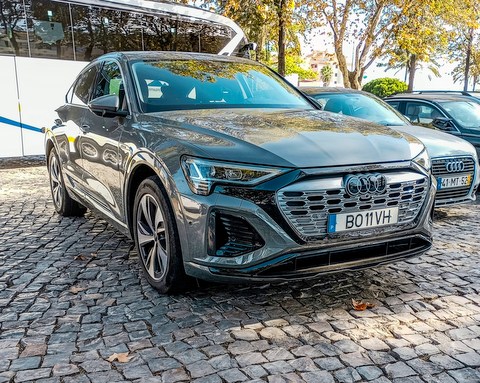
The authoritative record of what a car was built with exists in exactly one place: the manufacturer’s own production data, keyed to the VIN. Parts departments have used it for decades through catalog systems, because ordering the wrong brake caliper gets expensive fast. But those systems were built for parts lookups—one car at a time, one brand per login with part numbers as output. Nobody is wiring that into an AI workflow.
This is the problem structured vehicle data services are starting to solve. VINdata.io, for example, takes OEM build data for vehicles sold in the EU market and serves it in two ways: as a straightforward REST API, and as a Model Context Protocol (MCP) server for VIN data that AI assistants can query directly.
The second part is the interesting one. MCP is the emerging standard that lets assistants like Claude call external tools during a conversation. Connect a vehicle data source through MCP, and the workflow collapses into a single question. Paste a VIN, ask “what’s actually in this car, and is it worth the asking price compared to the other one?”—and the assistant pulls the factory equipment list itself: option codes translated into plain language, the exact drivetrain variant with battery size and charging capacity, production date, trim level, factory. No catalogs, no tabs, no copy-pasting between systems.
What Changes in Practice
For a dealer or trader, three things get noticeably less painful.
Purchasing, first of all. Auction lists and cross-border listings are unreliable, sometimes deliberately so. A VIN lookup before bidding settles whether “fully equipped” means matrix headlights and a heat pump or metallic paint and heated seats. In the EU used EV market, where the same model name can hide a 20 kWh battery difference, this is where the margin actually sits.
Then valuation and documentation. Factory equipment feeds directly into residual value, and in several EU countries into import tax calculations that require documented market pricing. An equipment list pulled from OEM data carries a different weight than a screenshot of a foreign listing.
And finally listings. Cars advertised with a complete, correct equipment list sell faster and closer to asking price—and the dealer skips the awkward conversation with a buyer whose car turned out not to have the option the ad promised.
The Honest Limitations
Factory data describes the car as it left the production line. It won’t tell you the battery’s current state of health, whether anything was retrofitted or which software version the car is running. A physical inspection and a battery test are still part of any serious purchase.
Coverage follows the European market: EU-delivered vehicles resolve with full OEM data, while a grey import from outside the region may not. For European businesses there’s a quiet upside to that scope—the data is processed and stored within the EU, which keeps GDPR compliance simple in a way US-based data providers in this space usually can’t match.
The pattern is bigger than one product. AI assistants are only as useful as the data sources they can reach, and the automotive trade runs on data that never made it onto the open web. Bridging that—factory records on one side, a conversational assistant on the other—is where “AI for the car business” stops being a demo and starts closing deals.
