
This article may contain affiliate links.
As modern passenger vehicles integrate complex sensors and automated aids, determining fault after highway collisions demands deeper technical scrutiny.
Modern passenger cars carry sophisticated driver-assist technology, networked sensors and event recording devices designed to track performance. These technical innovations can change how accidents happen and alter how investigators determine legal responsibility after a crash. Traditional physical evidence like tire marks or driver testimony no longer tells the complete story. Electronic data streams now record speed, braking habits and steering inputs during the seconds leading up to an impact. Navigating post-crash recovery means understanding how telemetry and automated systems impact liability.
Automotive engineers build vehicles with multi-layered digital networks that continuously log operational parameters. When a crash occurs, interpreting this data requires balancing technical analysis with traditional legal rules. Understanding driver actions alongside automated responses determines who bears financial responsibility.
How Does Modern Vehicular Technology Change Crash Evidence?
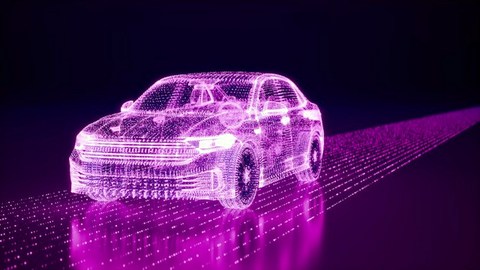
Physical evidence forms the backbone of every accident investigation. Crash reconstruction specialists evaluated skid marks, vehicle crumple patterns and visual sightlines to estimate impact speed. Integrated vehicle sensors now provide direct digital records of driver inputs and mechanical performance.
Modern onboard event data recorders capture vehicle dynamics across critical moments prior to a collision. According to the National Highway Traffic Safety Administration, regulated entities must report crashes if automated driving systems were active within 30 seconds of an impact resulting in specific property damage or injuries. Sensors record throttle position, steering inputs and collision-mitigation braking activity. In the event of a collision:
- Preserve raw telemetry: Digital logs can overwrite quickly if vehicles remain powered or undergo immediate repairs.
- Review sensor data: Lane-keeping cameras and radar units store positional information useful for confirming vehicle trajectories.
- Verify software status: Telematics indicate whether driver-assist functions were active or disengaged right before impact.
How Do Corporate Insurers Manipulate Technical Data Disputes?
Insurance companies handle claims involving sensor-heavy vehicles using specialized defense tactics. Vehicle electronics provide detailed evidence, yet insurers frequently challenge how investigators extract and interpret this telematics data to minimize claims payouts.
Because insurance carriers increasingly bring in forensic software consultants to challenge driver testimony and minimize settlement amounts, motorists injured in highway wrecks should consult with experienced local attorneys who understand how to preserve critical digital crash data and aggressively defend motorist rights. Having dedicated legal representation levels the playing field against corporate legal teams trying to tilt data analysis in their favor. Skilled lawyers subpoena full proprietary diagnostic logs, prevent insurance adjusters from cherry-picking telemetry metrics, and build airtight cases that prove liability.
Calibrating bumper sensors, windshield cameras and radar units pushes repair estimates past classic valuation metrics. Insurance adjusters sometimes delay total-loss assessments while arguing over proprietary software interpretations, making qualified legal guidance vital to moving your claim forward.
How Does Automated Driving Technology Shift Crash Liability?
Vehicular automation ranges from basic cruise control to conditional self-driving systems. Higher automation levels complicate standard legal evaluations of driver negligence.
Research from the University of Michigan Transportation Research Institute indicates Level 3 conditional autonomy creates a substantial liability shift toward vehicle manufacturers, which impacts commercial adoption timelines. Human drivers must remain ready to take manual control whenever automated features request intervention. Determining whether a crash stemmed from human error or software failure requires deep forensic scrutiny.
System handoffs introduce gray areas into crash investigations. If a driver-assist system disengages seconds before a crash, insurers often claim the human driver had sufficient time to respond. Telematics files help establish whether the vehicle provided clear, timely warnings to the operator.
Safeguarding Motorist Rights in the Digital Era
Taking clear steps right after a severe collision protects your physical health and your legal rights. Digital evidence requires swift action before data files get cleared or overwritten.
Secure physical records. Document the status of dashcams, infotainment screens and dashboard warning lights immediately after a crash. Request data preservation. Notify insurers and towing storage facility operators in writing to preserve onboard computer modules intact. Avoid early statements. Refrain from issuing recorded statements to insurance adjusters until medical professionals fully evaluate your injuries.
Promptly securing vehicle components ensures that crash data remains available for independent forensic inspection. Delaying data preservation allows insurance carriers to control the investigation narrative.
Countering Aggressive Insurance Defense Tactics
Insurance defense teams act fast to secure vehicle data that favors their position while downplaying evidence supporting driver claims. Independent technical experts must analyze raw telemetry before insurance carriers clear system logs.
Technical evidence requires expert testimony to stand up during legal negotiations. Software logs must be correlated with physical vehicle damage to build a clear representation of crash mechanics. Proper legal representation prevents insurance adjusters from misinterpreting data logs to deny valid personal injury claims.
Protecting your financial recovery after a highway crash means pairing an understanding of vehicle technology with dedicated legal support. Working with professionals skilled in digital accident reconstruction allows you to hold negligent parties and insurance carriers accountable.
