
A Guide for Keeping Your EVs Running in the Cold
Cold-climate zero-emission vehicle (ZEV) adoption is instrumental in decarbonizing the global transportation industry. However, freezing temperatures often drive up the operating costs of electrified fleet vehicles. Frigid conditions negatively impact battery electric vehicle (BEV)
batteries, resulting in degraded performance, reduced charging speed and an increased risk of failure. The cold can lower the maximum output of hydrogen fuel cell vehicles and reduce regenerative braking.
Experienced fleet operators understand the financial implications of mismanaging battery-electric and hydrogen fuel cell vehicles in the winter. Here’s what they do to prepare electric sedans, SUVs, vans, buses and trucks.
Analyzing Battery Health and Diagnostic Reports
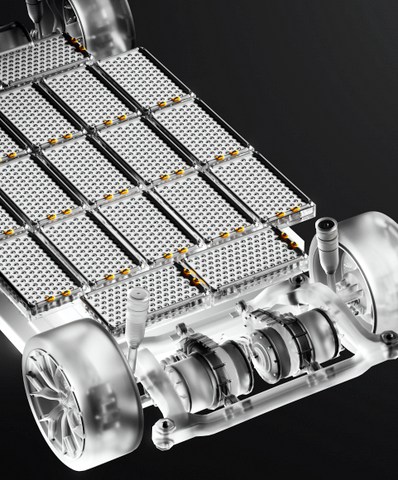
Battery health and diagnostic reports include state-of-health metrics, which reveal an EV battery’s current performance relative to its original factory state. While predicting battery degradation outside of labs is challenging, these figures shed light on the equipment’s remaining energy storage, internal resistance, voltage balance and ability to deliver peak power.
The most basic way to assess battery health is to monitor the battery warning light, which indicates issues with the charging system or battery itself. Many EV models also display the remaining charge and range.
Technicians can also check battery management systems. Scans can uncover hidden errors or faults in heating elements, coolant pumps and temperature sensors. Trouble codes can interfere with dashboard lights and display incorrect statistics on battery charge and energy consumption.
Certified service centers perform comprehensive battery checkups. For light maintenance, mobile technicians can generate professional battery health and diagnostic reports on-site using commercial-grade tools.
Monitoring Preconditioning Functionality
Modern EVs rely on preconditioning to warm the battery and cabin before driving or charging. This feature can be automated or manual. Either way, it should work as intended, giving the vehicle enough time to reach an optimal temperature.
Timing mismatches can drain the battery quickly and slow charging, causing range anxiety and missed deliveries, especially in severe weather. In 2019, winter storms in the United States resulted in $2.1 billion in insured losses and nearly $8 billion in total economic losses. Business insurance may protect fleet operators against immediate losses, but claims often lead to higher future premiums.
Live battery telemetry can yield insights into potential issues with preconditioning protocols. Auditing software and navigation triggers indicate all the necessary conditions for initiating battery heating. For EVs with on-demand preconditioning, it’s essential to verify that manual control is enabled in the settings menu. Missing the preconditioning indicator on the infotainment screen and a slow initial charging curve are red flags to note during a trip.
Assessing Heat Pump Operation
Climate control can reduce an EV’s overall range by 25% to 30% in cold conditions. Heat pumps can regulate cabin temperature levels more efficiently than traditional resistive heaters. An undiagnosed and unaddressed problem with the heat pump system can lead to higher energy draw and faster battery drain.
Refrigerant leakage negatively affects a heat pump’s efficiency. Misbehaving climate-control software can prevent the equipment from functioning properly. Preconditioning errors can lead to heating inefficiency.
Diagnostic scans and sensor validation can catch problems early. Conducting cold-start and operational tests measures a heat pump’s performance in real-world conditions by checking for unusual noise, recording power draw and observing how fast window fog or condensation disappears. A low refrigerant level suggests a likely leak due to faulty fittings and seals.
Preparing the EV Fleet for Winter
The effects of the cold on electrified vehicles are unavoidable. Ensuring that the battery is healthy, the preconditioning protocols work perfectly and the heat pump operates correctly is key to mitigating them.
