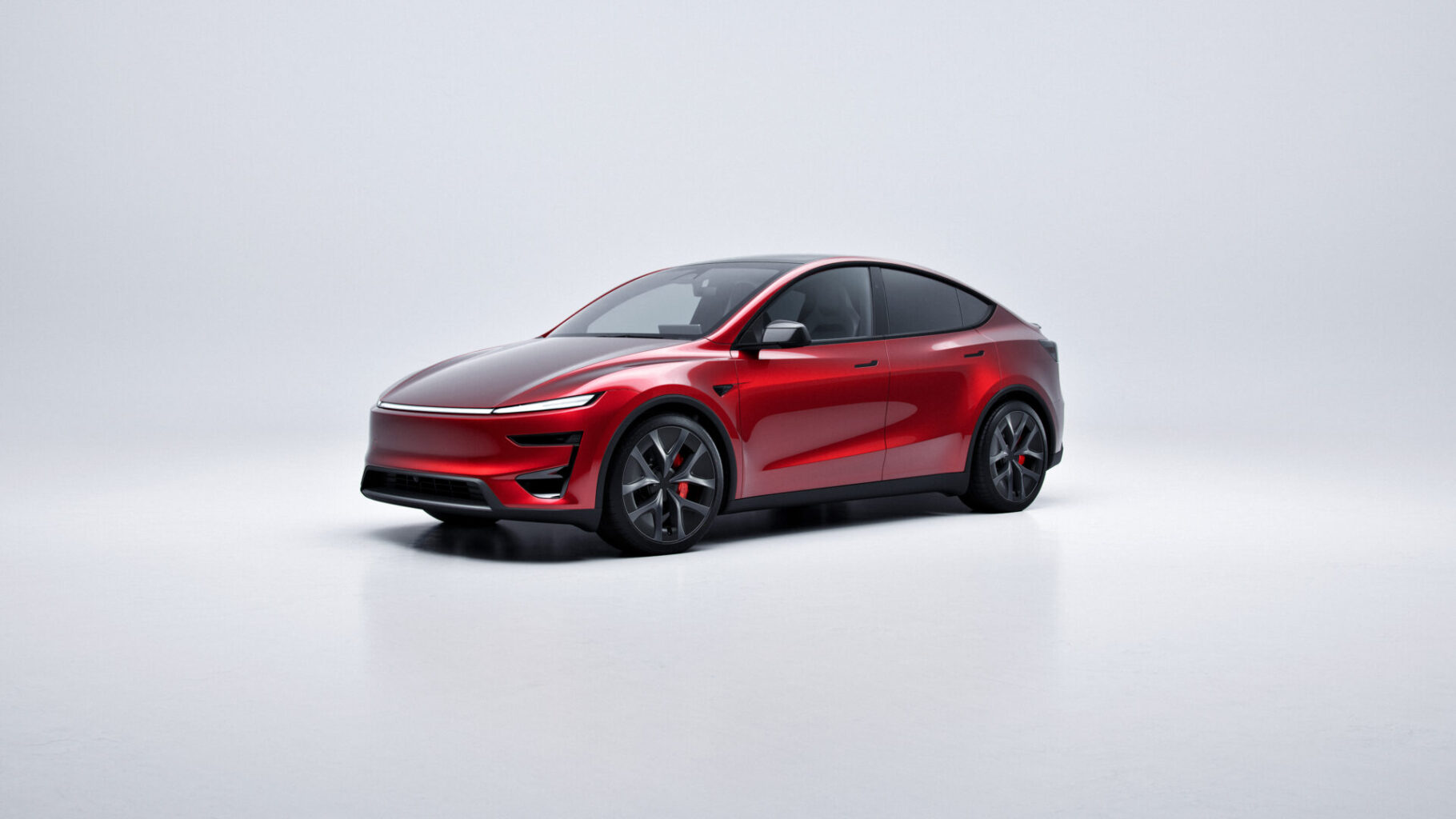
Clearing-up Electrification Myths and Nonsense
A vehicle with any form of electrification should have increased fuel efficiency and produce the least emissions of comparable cars, trucks and SUVs on the road.

A vehicle with any form of electrification should have increased fuel efficiency and produce the least emissions of comparable cars, trucks and SUVs on the road.
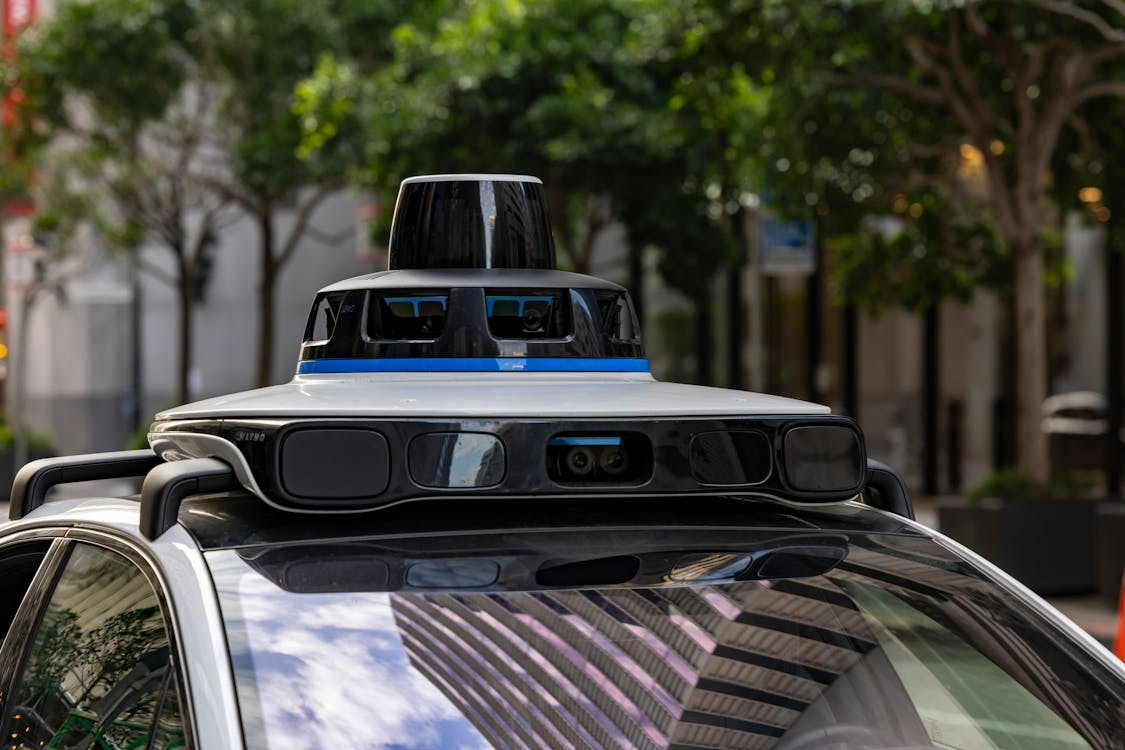
Whether you are a daily commuter trying to dodge high fuel prices or a fleet manager tasked with lowering a company’s carbon footprint, the sheer number of options can feel overwhelming.
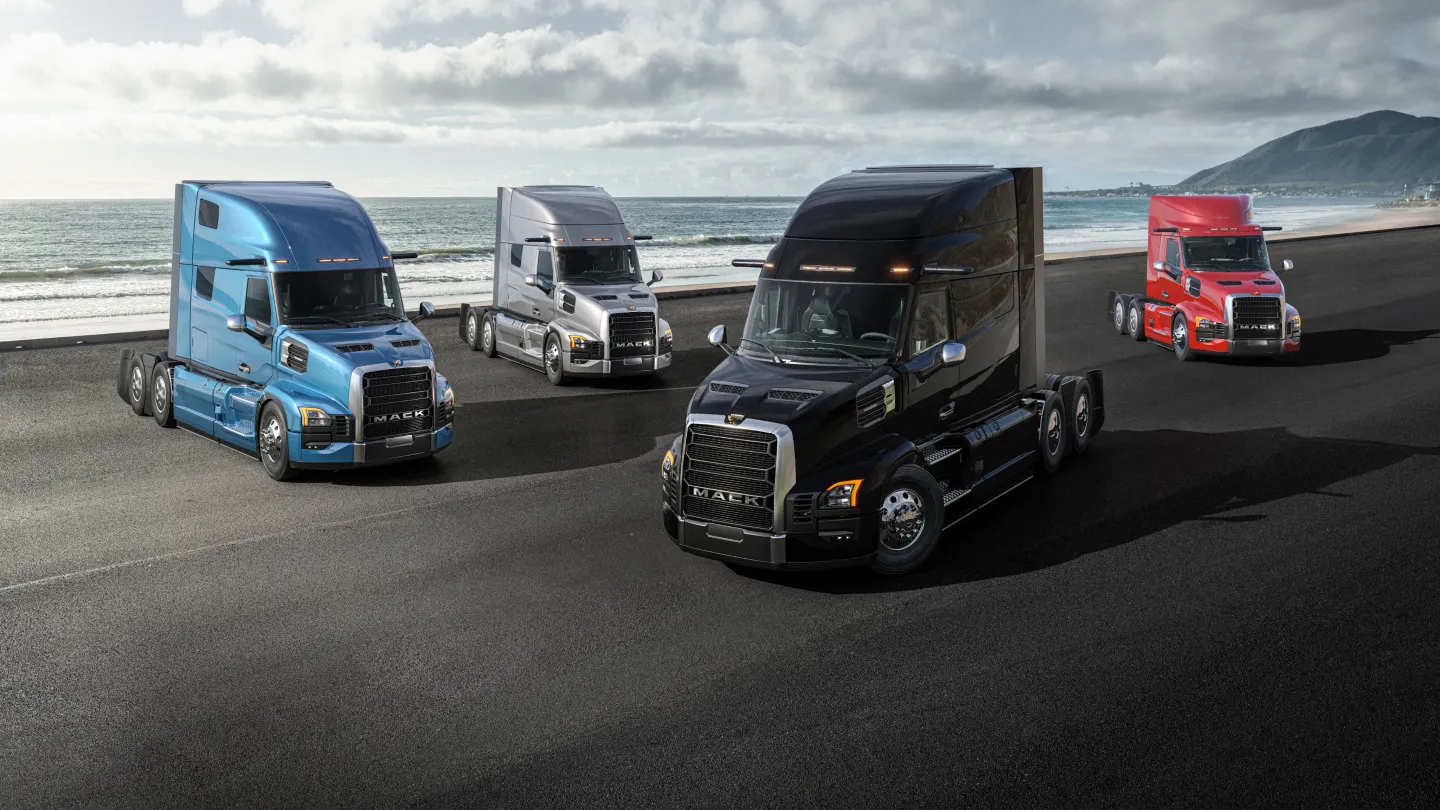
The 2025 ACT Expo had several announcements on battery electric, plug-in hybrid electric and fuel cell electric vehicles.
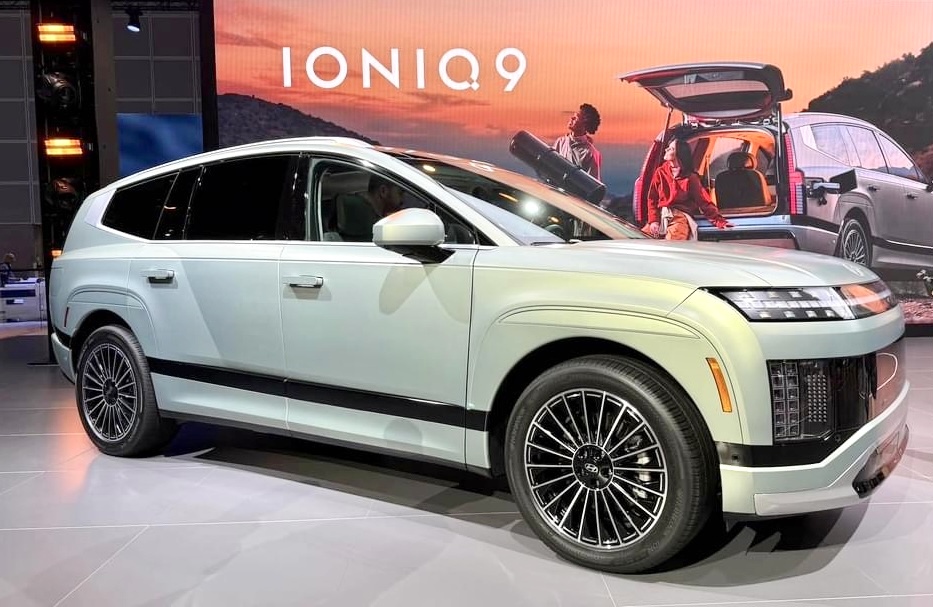
The 2004 Los Angeles Auto Show had a mix of EVs and other electrified vehicles, but also numerous vehicles powered by a more traditional internal combustion engine (ICE).
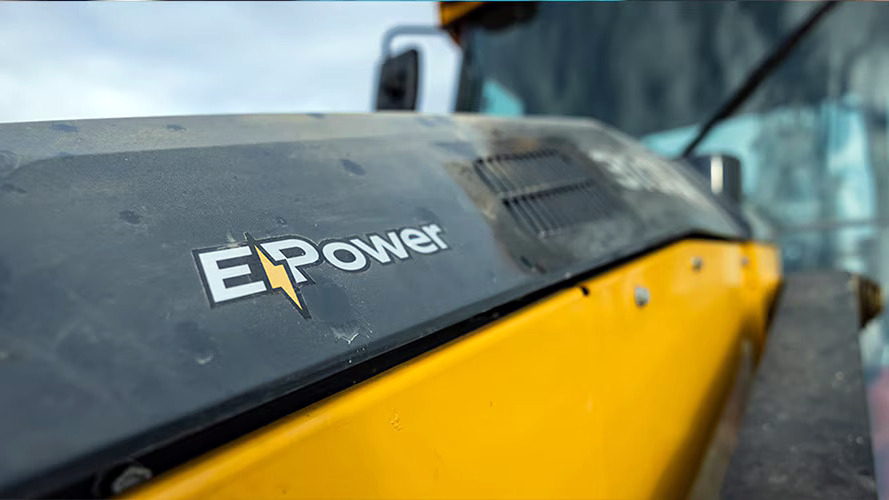
Despite challenges, electric heavy equipment has made impressive strides. Further research, advancement and market growth will eventually pave the way for low-emissions industrial work.
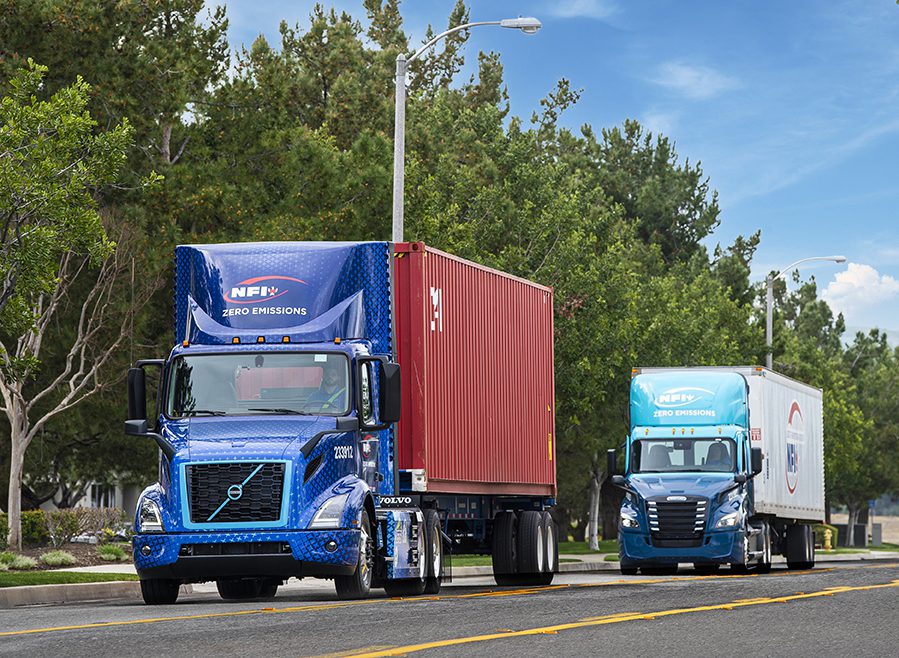
A step in the direction of cleaning the air in Southern California has been made by the Joint Electric Truck Scaling Initiative (JETSI).
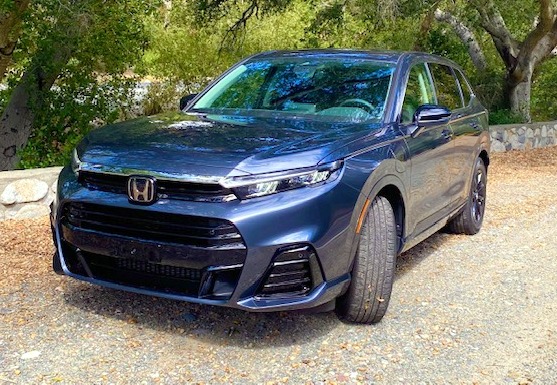
In a first-ever technology pairing, Honda has mated plug-in battery electric and hydrogen fuel cell electric in the all-new 2025 CR-V e:FCEV.
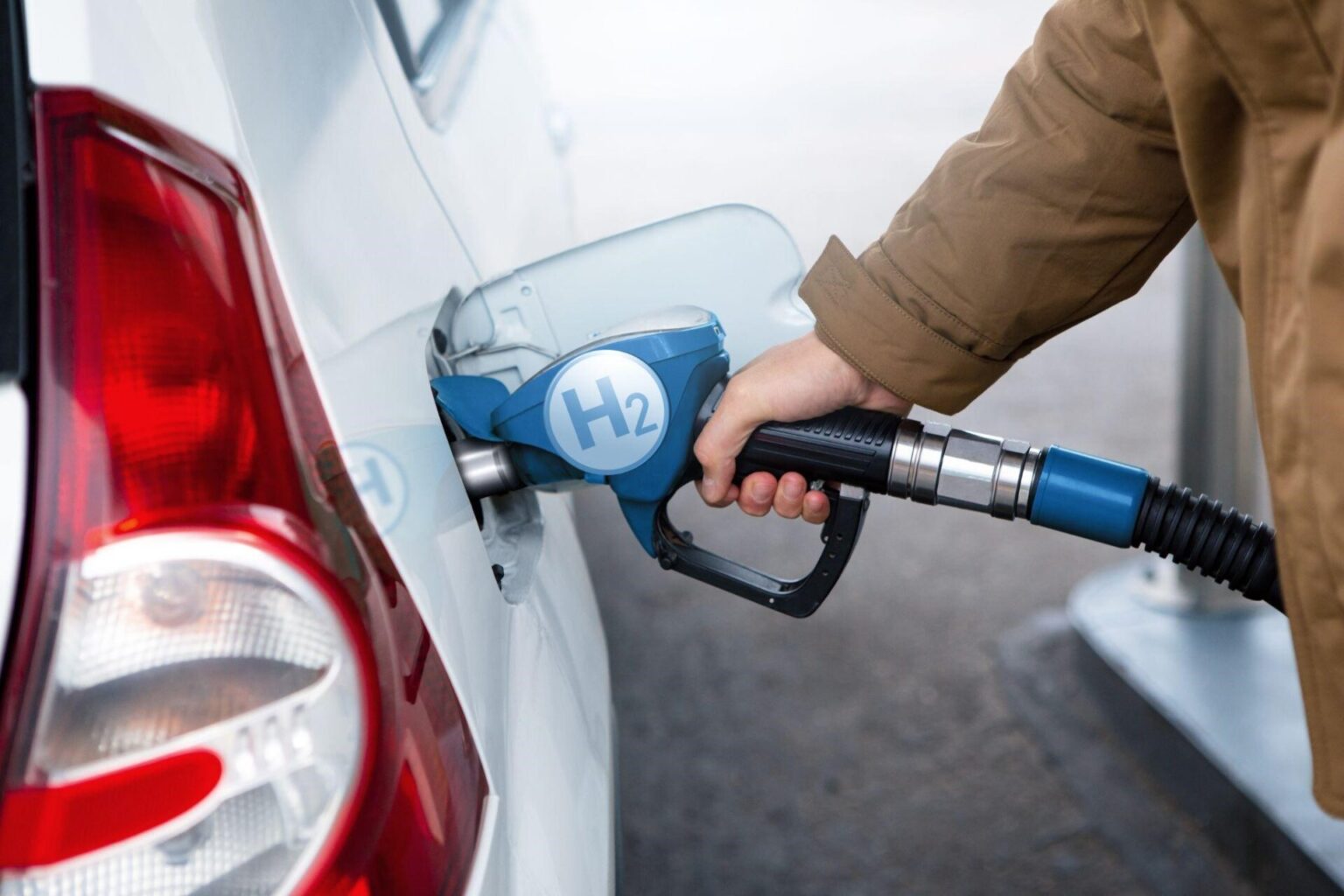
Combining the environmental benefits of electric vehicles (EVs) with the long-range and rapid refueling of traditional gasoline vehicles, hydrogen fuel cell electric vehicles (FCEVs) are becoming a compelling option for eco-minded car owners.
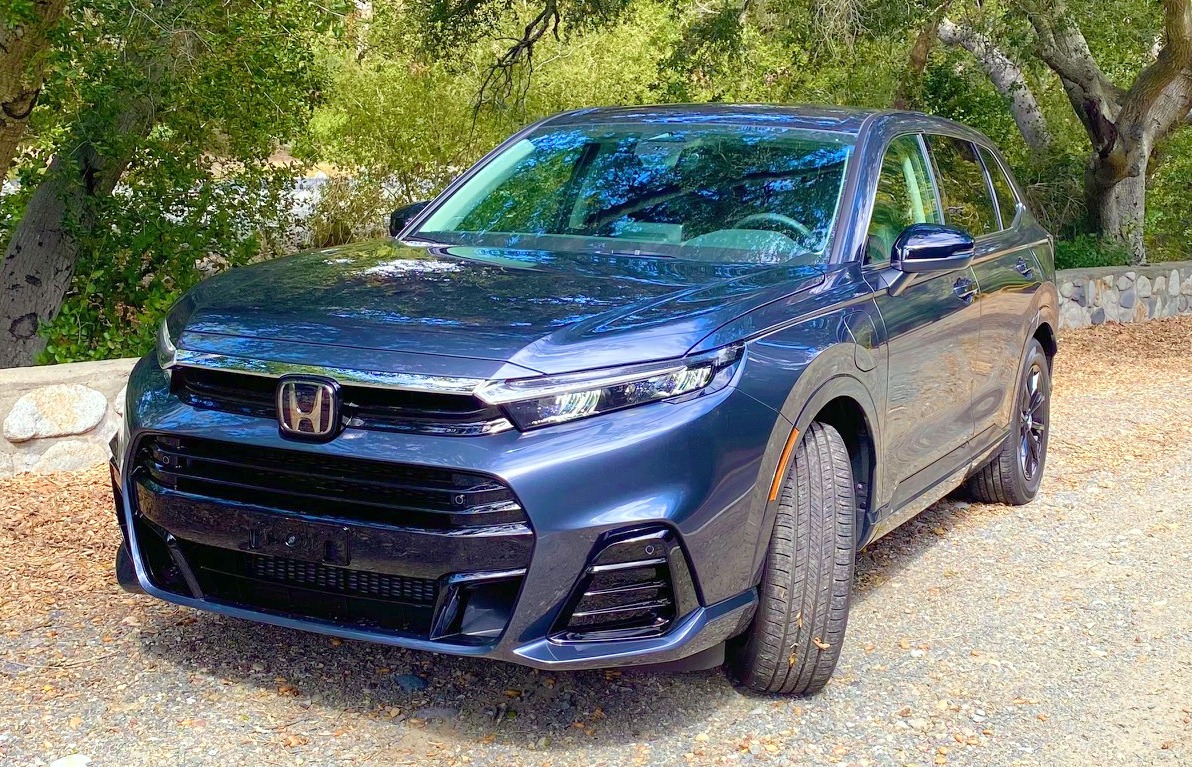
In a first-ever technology pairing for series production, Honda is mating plug-in battery electric and hydrogen fuel cell electric in the all-new 2025 CR-V—e:FCEV.
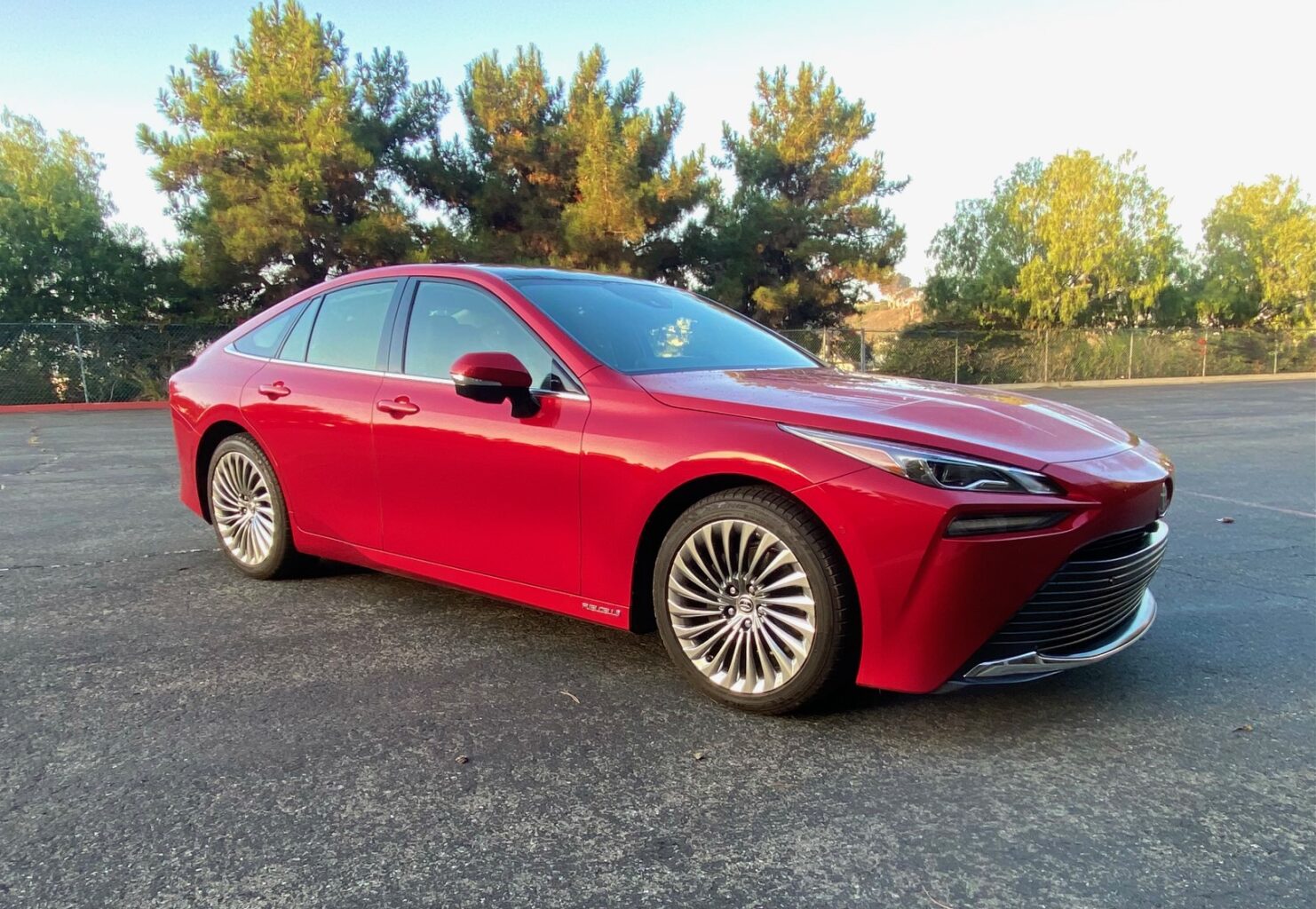
The 2024 Toyota Mirai Fuel Cell Electric Vehicle (FCEV) drives and handles like any other car, actually better than many other cars.