
Practical Steps Toward a Sustainable Transport Future
Whether you are a daily commuter trying to dodge high fuel prices or a fleet manager tasked with lowering a company’s carbon footprint, the sheer number of options can feel overwhelming.

Whether you are a daily commuter trying to dodge high fuel prices or a fleet manager tasked with lowering a company’s carbon footprint, the sheer number of options can feel overwhelming.
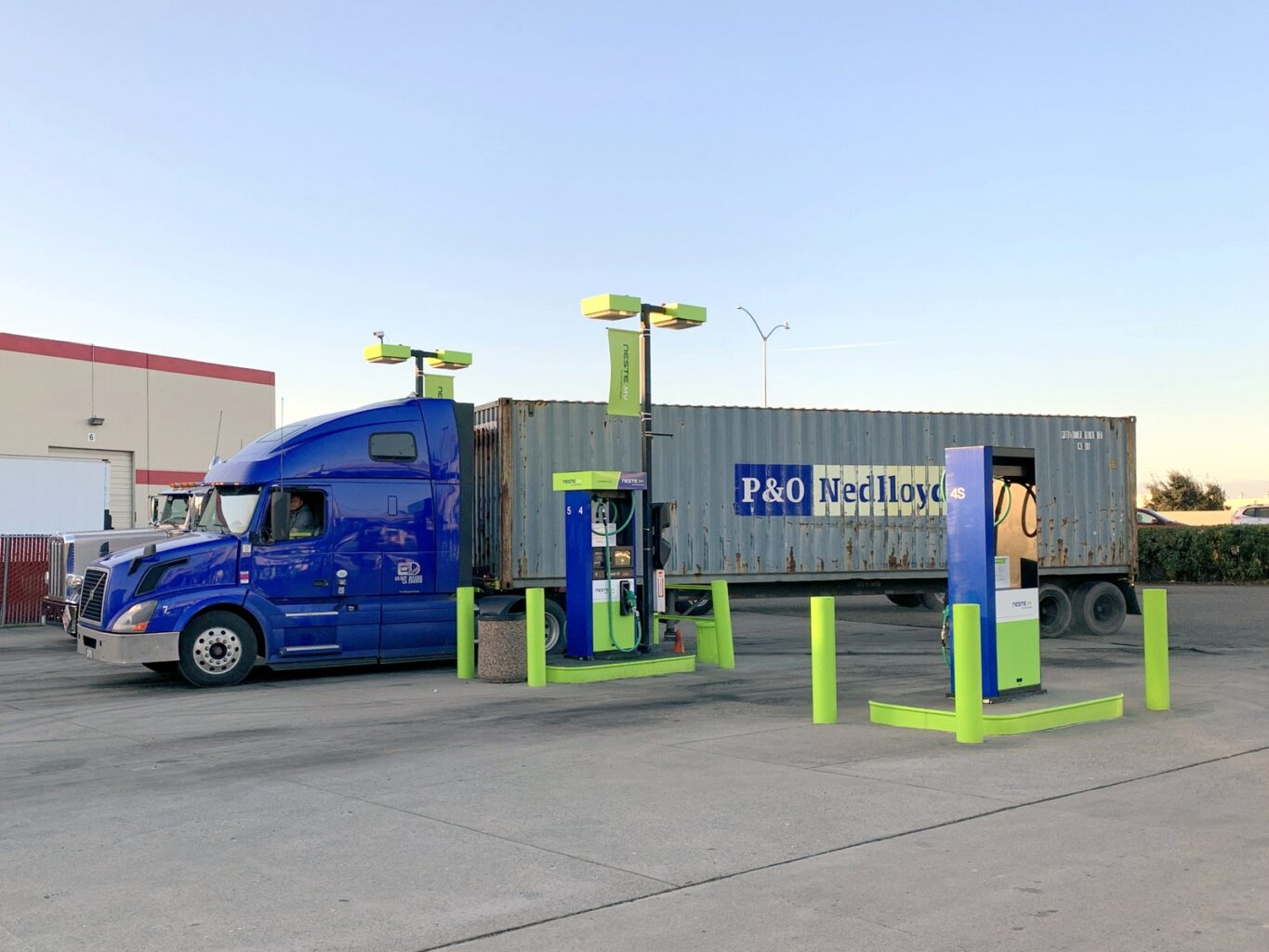
Renewable diesel, particularly hydrotreated vegetable oil (HVO), is becoming a practical near-term solution for fleets that want to reduce emissions now while building toward broader electrification.

Eco-friendly fleet management encompasses a series of practices designed to minimize environmental impact while maintaining operational efficiency.

One of Disneyland’s original attractions, Autopia, will see the ride’s cars go from using Honda gasoline engine to quiet and clean all-electric cars sometime in 2026,

Disneyland’s Autopia, will see the ride’s cars go from using a 270cc, 8.5 horsepower Honda gasoline engine, with a top speed of 6.5 mph, to some sort of electrification.
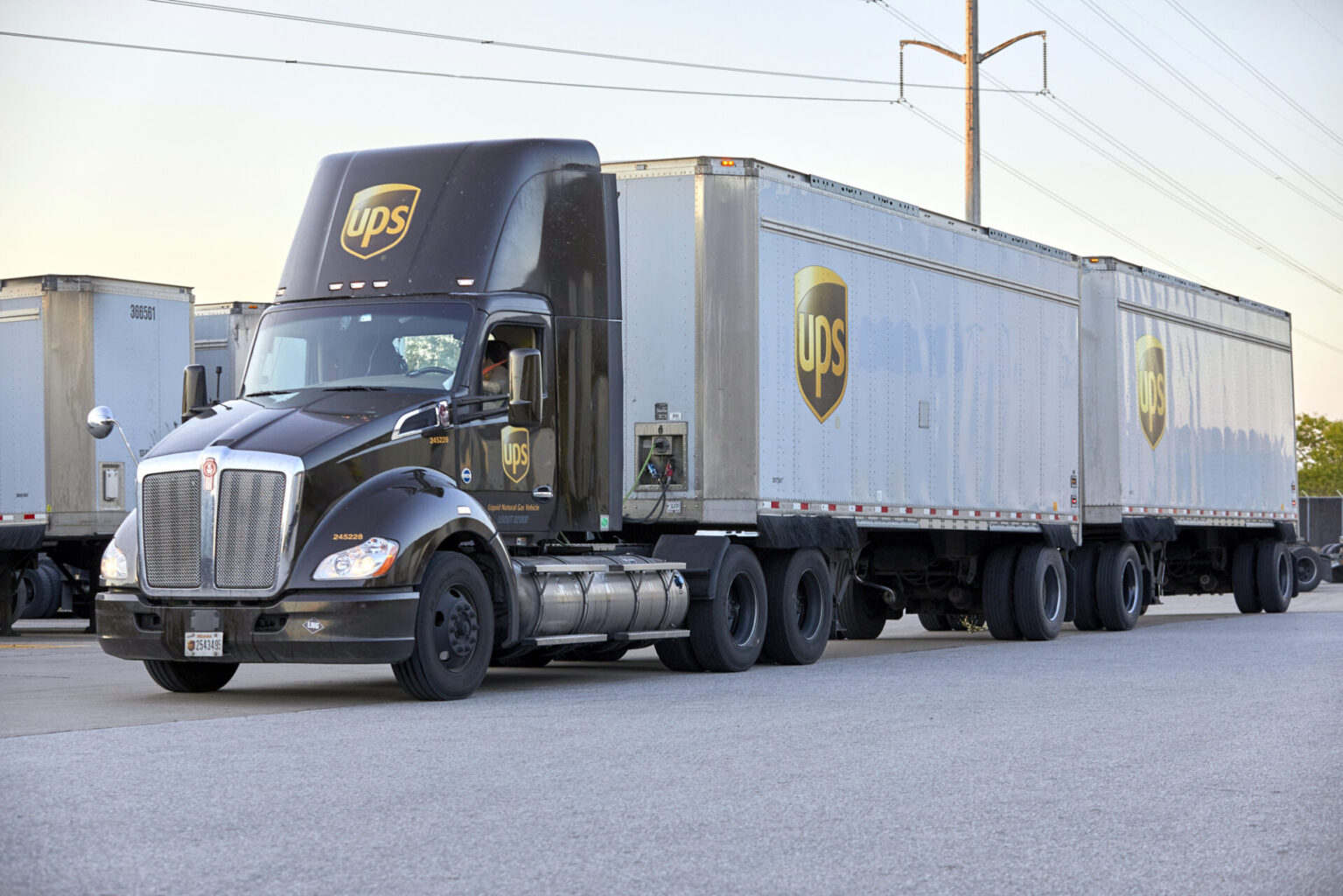
Renewable diesel is a true hydrocarbon that can reduce dependence on fossil fuels, reduce greenhouse gases and help fleets meet sustainability goals.
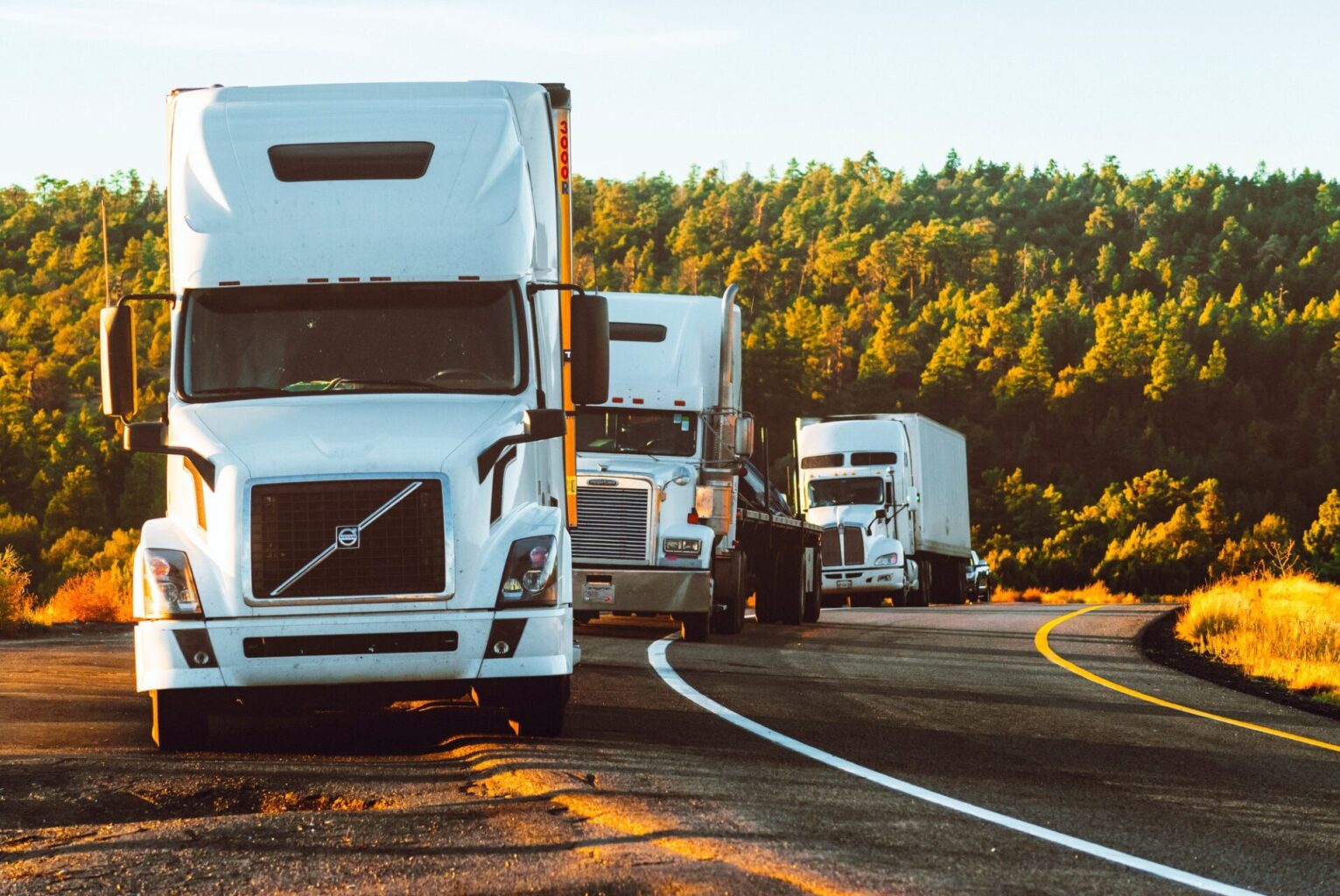
Renewable diesel offers a drop-in solution that delivers immediate environmental benefits and requires zero new investments.
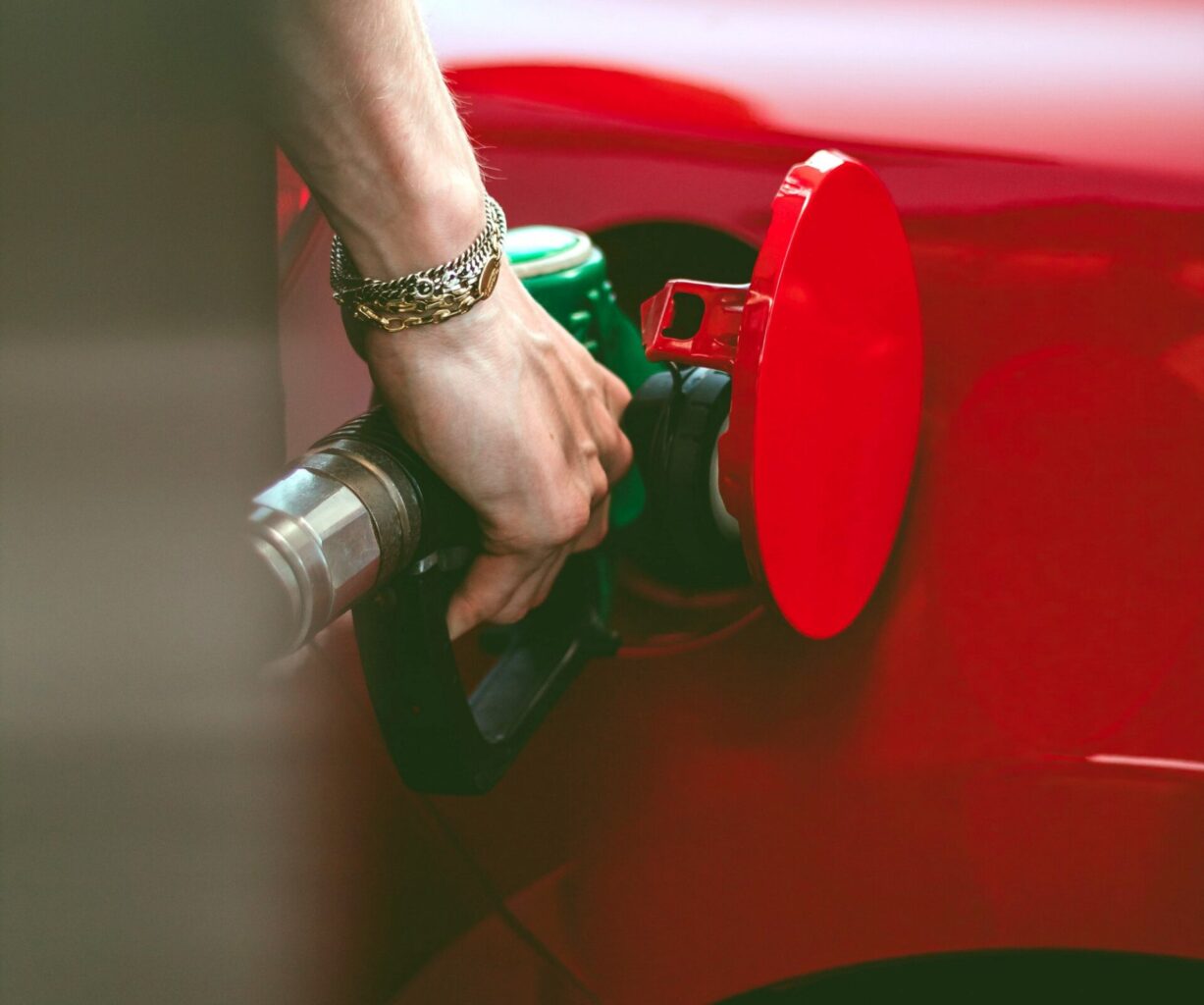
The recently unveiled Inflation Reduction Act of 2022 (IRA) presents a golden opportunity to break down these walls and unleash America’s carbon reduction potential by providing a more level playing field for advanced biofuels producers in our clean energy transition.

Although these are clearly some commercial and technical issues with algae-based biofuels, many of these will be remedied by their benefits.
We have seen amazing progress in cars, electrified transportation and in the future of mobility, since I started Clean Fleet Report in 2006, said Clean Fleet Report founder John Addison.