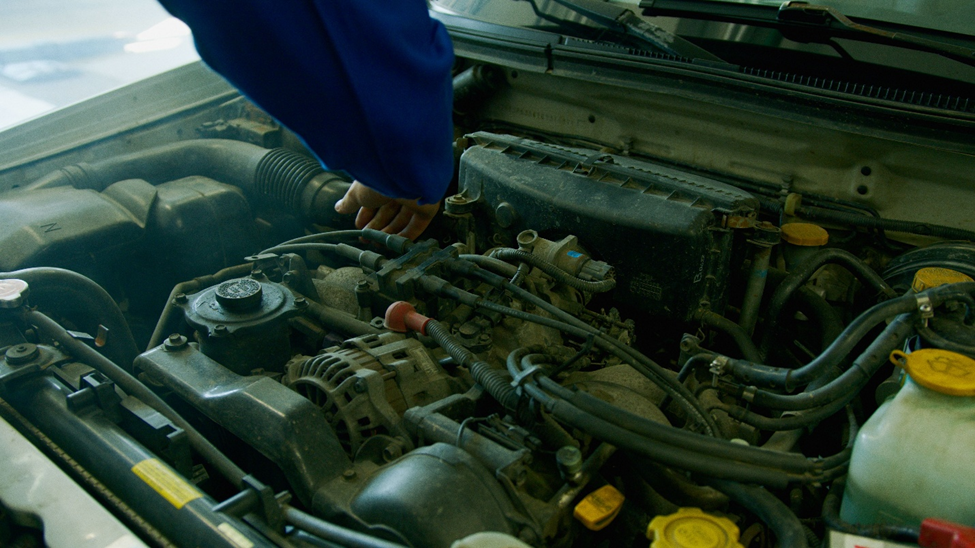
How Regular Engine Oil Changes Protect Your Engine and Reduce Long-Term Repair Costs
Along with lubricating components, engine oil prevents overheating and provides a protective barrier between metal parts.


Along with lubricating components, engine oil prevents overheating and provides a protective barrier between metal parts.

A positive EV experience depends largely on whether you’ve made the right decision to buy one. Weigh these factors so you won’t end up regretting it.

Advanced driver-assistance systems (ADAS) features such as automatic emergency braking, lane-keeping assistance, adaptive cruise control and blind-spot monitoring can improve safety, but they also introduce new questions when a crash occurs.

Vehicle-to-everything technology addresses this gap by exchanging live data between the vehicle, road infrastructure, and other road users.

This article may contain affiliate links. Phoenix has quietly become the proving ground for self-driving cars in America. Waymo runs thousands of paid robotaxi rides … Read more

A Bentley-certified body shop is more than a facility that works on luxury vehicles. Manufacturer certification indicates that a shop meets specific requirements for training, equipment, repair procedures and parts.

For fleet operators, insurers and injured parties, an accident investigation can depend heavily on digital records and maintenance documents that show what the vehicle and driver were doing before the collision.

A reliable door-to-door auto transport service should make shipping your vehicle straightforward.

This article may contain affiliate links. You arrive at a peaceful campsite around sunset, turn on the lights, keep the 12V fridge running, charge your … Read more

AI-powered driver monitoring systems create a prevention culture that human supervision cannot match.