
This article may contain affiliate links.
Engine oil is an important fluid in a gas or diesel vehicle that performs several critical functions. Along with lubricating components, engine oil prevents overheating and provides a protective barrier between metal parts. Unfortunately, many car owners ignore its importance because they don’t see it physically working.
Over time, continuous heat, dirt and normal operation gradually affect the quality and condition of the oil. Driving around without changing it increases wear and causes mechanical issues. Several tests confirmed that improving filtration reduced engine wear by up to 70%. Understanding its workings and the importance of regular changes will help you make better maintenance decisions.
1. Reduces Friction Between Moving Metal Components
A motor engine is made of moving, interlocking components that operate under high speed and pressure. Insufficient oiling means these parts would rub against each other, causing friction that produces heat and resulting wear. According to the US Department of Energy, up to 15% of a car’s energy is consumed by friction issues.
Excessive friction causes excessive heat and damages metal surfaces. It also causes premature failure of the most sensitive internal components. Engine oil provides the much-needed lubrication between these surfaces, eliminating direct contact between metals. This allows these components to move efficiently.
Aging oil becomes more contaminated, losing most of these protective properties. Regular oil changes replace the degrading oil with fresh lubricants. This helps create and maintain the protective environment that these moving parts require. For car owners comparing routine maintenance service providers, a Grease Monkey oil change is a perfect example of a tested service provider that can meet these needs.
2. Oil Helps Manage Engine Heat
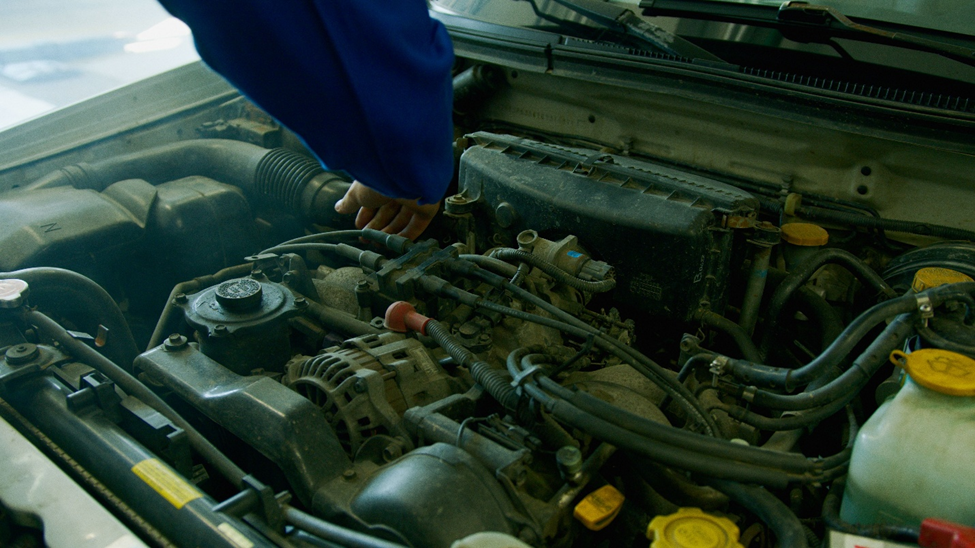
The engine’s cooling system receives a lot of attention when it comes to controlling engine temperature. However, engine oil also plays a crucial role in controlling heat. The internal components of the engine operate in conditions that can become extremely hot. Engine oil circulates through these components, helping transfer heat away from them.
Excessive heat contributes to increased deterioration of engine components and causes other mechanical problems. Similarly, severe overheating leads to major engine damage. With continuous usage, the ability of engine oil to perform these functions becomes affected. Maintaining and replacing oil at recommended intervals is important for these parts’ thermal management.
3. Regular Oil Changes Remove Contaminants from the Engine
Over time, engine oil collects contaminants and the byproducts of combustion processes. These tiny particles and other compounds circulate with the oil, often getting deposited in critical areas. While oil filters help in capturing these contaminants, they have a limited capacity.
Changing engine oil without replacing your oil filter can undermine your vehicle maintenance process. A saturated or ineffective filter may not provide the same level of filtration as a new filter. This explains why routine oil service commonly includes replacing the oil filter in accordance with the car manufacturer’s requirements.
Endnote
The most appropriate engine oil selection is the one that meets your vehicle’s specifications. Modern cars have specific requirements regarding viscosity and performance. Some engines require full synthetic oil, while others work best with different formulations.
