
This article may contain affiliate links.
As the population grows, there’s more cars, commercial vehicles, cyclists and pedestrians on the roads. Rising traffic also puts strain on the existing road system. This makes commuting and other road use more difficult. Familiar roads suddenly become difficult to navigate as traffic patterns shift and construction projects pop up.
Driving is more than just obeying the laws. It demands attention along with awareness of potential dangers primarily due to changing conditions. Being aware of common driving dangers can help motorists make safer decisions.
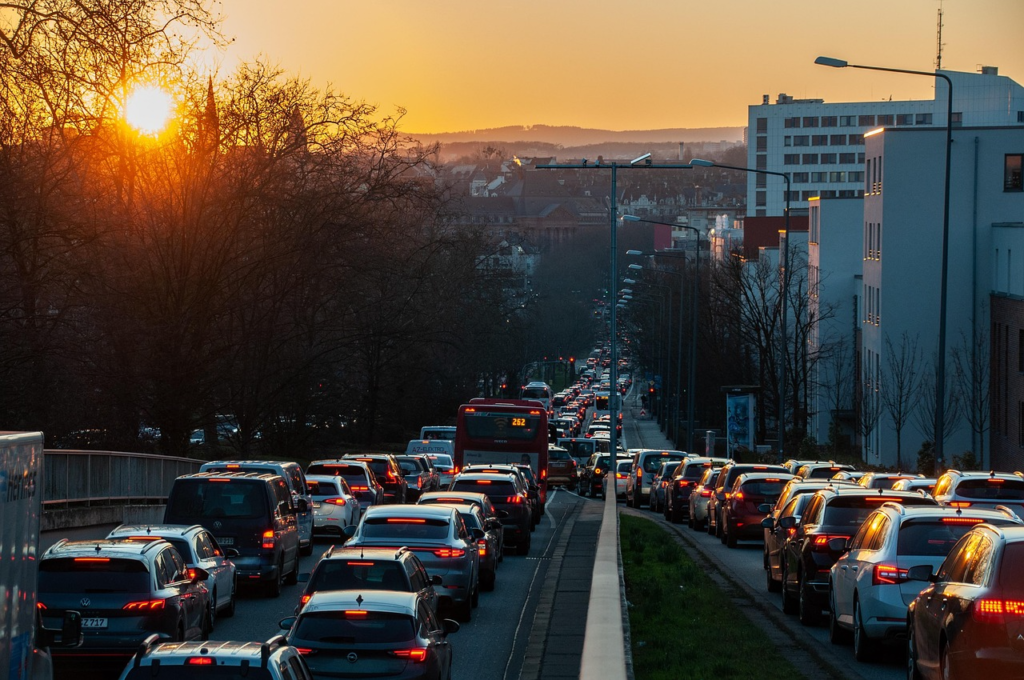
Increased Traffic Congestion and Sudden Stops
A common difficulty faced in developing areas is heavy traffic. Traffic is frequently congested during rush hour, leaving less opportunities for sudden lane changes or unexpected stops. Some drivers, in their impatience, attempt to pass other vehicles, which often results in a rear-end collision. Keep a reasonable distance from other vehicles to stay safe. Patience goes a long way. It’s better to take your time and arrive safely than to rush and risk a crash.
Pedestrians and Cyclists in Busy Streets
As the population grows, the number of pedestrians and bicyclists may also increase. Different road users come into contact with moving vehicles at:
- Shopping districts
- Residential developments
- Schools
- Public transportation stops
When approaching intersections or crosswalks, especially in spots where visibility is poor, it’s critical to be cautious. To avoid serious collisions, drivers should:
- Check their mirrors before turning
- Look for cyclists in blind spots
- Give pedestrians the right of way
Slowing down in residential and commercial zones gives enough time to brake if a pedestrian comes on the road.
Distracted Driving and Poor Road Awareness
Distractions are another big concern thanks to all the tech features modern cars now offer. Navigation systems and phone connections are useful, but can distract you from the road.
Even a brief loss of concentration can make it difficult to notice changing traffic signals, pedestrians or vehicles slowing ahead. Drivers should avoid using mobile devices while driving. If it is to navigate when on the road, set directions before starting the trip. Practice defensive driving as well. To travel safely, one should:
- Be mindful of other vehicles on the road
- Use mirrors
- Obey traffic rules
Construction Zones and Changing Road Conditions
Driving around construction zones can also present challenges. New roads, repairs and utility work can lead to sudden lane changes and unexpected detours.
Be attentive to temporary signs and obey the directions from the traffic controller. Consider reducing speed and increasing traffic gaps to better respond to rapid movements. Drivers should also not drive through traffic restrictions or make evasive driving changes to avoid barriers.
What Should Drivers Do After an Accident?
In the event of an accident, it’s crucial to know what to do. If possible, get out of the vehicle and go to a safe location. Call the emergency services and get immediate medical care. Record any pertinent information about the accident. Photographs can also play a vital role in establishing what occurred, as can witness information and insurance records.
Depending on the circumstances and applicable state laws, accident victims may seek guidance from an authoritative legal professional, such as a Phoenix car accident lawyer, to better understand their rights and available options for pursuing an injury claim.
Endnote
Safer driving is all about being aware and making thoughtful choices. Respect speed limits, be considerate of others on the road, limit distractions and stay adaptable to the changing traffic landscape.
