
This article may contain affiliate links.
If you have stepped onto a car lot or visited a freight terminal lately, you have likely noticed that the conversation has changed. It is no longer just about horsepower or cargo volume, the priority is efficiency. Whether you are a daily commuter trying to dodge high fuel prices or a fleet manager tasked with lowering a company’s carbon footprint, the sheer number of options can feel overwhelming.
What Your Next Vehicle Purchase Will Look Like
For most of us, the shift starts in the driveway. While battery electric vehicles (EVs) are the ultimate goal for many, they aren’t the only way to drive cleaner. We are seeing a massive resurgence in hybrids and plug-in hybrids because they offer a safety net. A plug-in hybrid allows you to handle your daily school runs and grocery trips on pure electricity, while the gasoline engine sits quietly in reserve for those longer road trips.
Even if you aren’t ready to plug in at all, the engineering under the hood of modern gasoline and diesel cars has improved significantly. We are seeing high-compression engines and mild-hybrid systems that squeeze every possible mile out of a gallon of fuel. The key is matching the technology to your specific lifestyle. To help you decide which path makes sense, consider these current options:
- Battery electric vehicles: Best for those with a dedicated place to charge and a desire for the lowest operating costs.
- Plug-in hybrids: The ideal bridge for drivers who want electric benefits without any range anxiety.
- Hydrogen fuel cells: An emerging choice for those who need long range and five-minute refueling times.
- Advanced diesels and biofuels: Highly efficient for heavy towing and long-distance highway hauling.
- Traditional hybrids: Perfect for city drivers who want better fuel economy without changing their refueling habits.
The Practical Side of Electric Heavy Duty Trucks
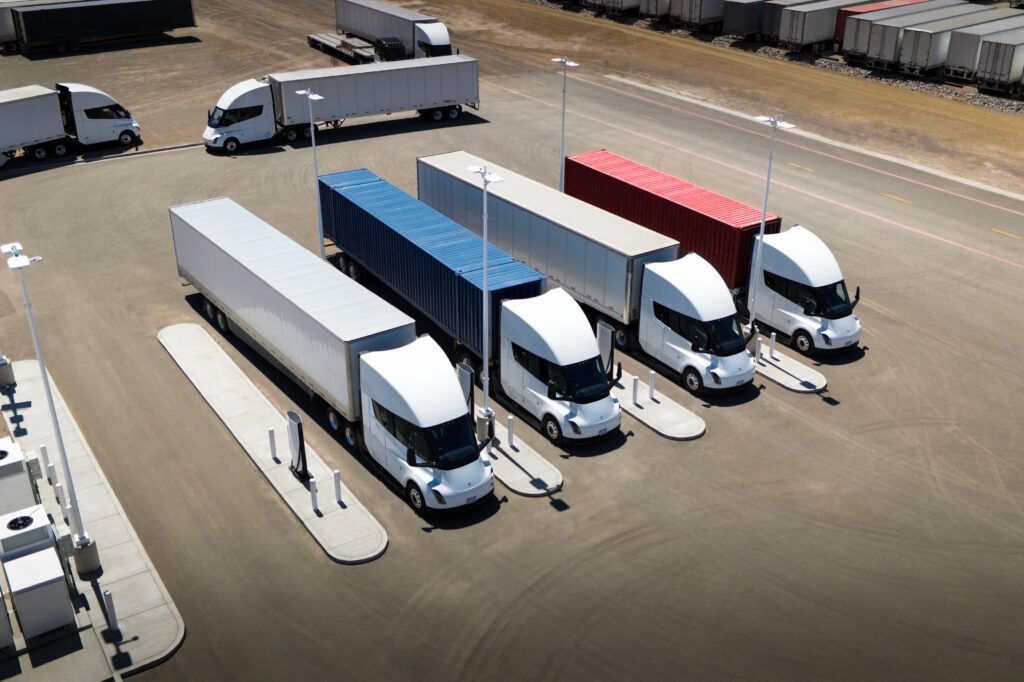
In the commercial world, the change is even more dramatic. Electric trucks are no longer just for short-range deliveries. With the development of 800-volt architectures and megawatt charging, we are seeing medium and heavy-duty trucks that can handle a full day of work with only a brief midday charge. This is a huge win for local air quality, especially in the last-mile delivery scenarios where trucks spend a lot of time idling in neighborhoods.
For the really heavy lifting, biofuels like hydrotreated vegetable oil (HVO) are providing an immediate solution. These drop-in fuels allow existing diesel fleets to cut their emissions by up to 90% without needing to buy a single new vehicle.
Handling the Legal Side of Innovation
As these technologies go mainstream, the rules of the road and the laws governing them are evolving just as fast. From setting up massive charging hubs to managing the risks of autonomous delivery vehicles, there is a lot of red tape to navigate. Staying compliant is essential and many organizations and individuals turn to professional guidance for assistance. If you have been injured by an autonomous vehicle, firms like Aiken Aiken Cohn can help you manage the legal side of your injuries.
Choosing the Path Forward
The best way to move toward a clean fleet is not a one size fits all answer but rather about looking at your specific needs and choosing the right support.
