
This article may contain affiliate links.
The 2025 Ford F-150 lineup had six powertrain configurations across its trim range, and the used market is now absorbing them all at once. A buyer scrolling through online listings may see a 2023 with 58,000 miles for $34,000 and a 2024 with 22,000 miles for $51,000. Both might be described as “3.5L V6” without any further clarification of whether that means the standard EcoBoost, the high-output EcoBoost that only came on the Raptor, or the PowerBoost hybrid that pairs the same displacement engine with an electric motor and a 1.5 kWh battery pack.
The difference between those powertrains is not cosmetic. The PowerBoost makes 430 horsepower and 570 lb.-ft. of torque and gets about 23 miles per gallon combined. The standard 3.5 EcoBoost makes 400 horsepower and gets roughly 21 mpg combined. One has a battery and an integrated electric motor. The other does not. On a lot of used listings, they look identical.
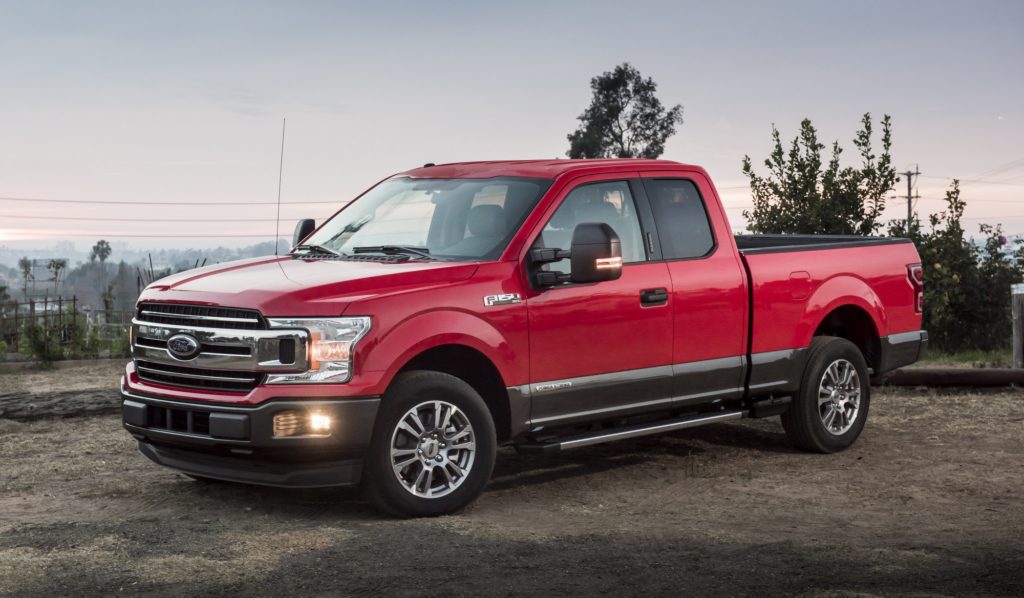
Then there is the Lightning situation. Ford ended production of the current all-electric F-150 Lightning at the end of 2025 and announced a pivot toward hybrids and a future extended-range electric platform. That decision flooded the secondary market with 2022 through 2025 Lightnings, which are depreciating faster than most trucks in the segment. Early build Pros and XLTs are showing up in the low $40,000 range now, which puts them uncomfortably close to gas-powered XLTs from the same model years, and sellers are not always making the powertrain distinction obvious.
I have seen listings where the only indication that a truck is electric is buried three screens deep in the specs, after the photos of the bed liner and the tonneau cover. A buyer who doesn’t catch it could end up with a vehicle that needs a Level 2 charger at home and a completely different ownership model than what they were expecting.
You Need More Than Mileage & Price
The broader problem is that mileage and price alone do not tell the story on a used F-150 anymore. NHTSA still estimates about 450,000 vehicles are sold annually with rolled back odometers, costing buyers roughly a billion dollars a year. Trucks, which hold their value well, make them attractive targets. A Ford F-150 VIN number check is probably the fastest way to confirm what powertrain is actually in the truck, whether the mileage lines up with service records and prior title transfers, and whether it has been through a state with weaker title fraud enforcement before arriving on a lot in Texas or Florida.
The used truck market has been absorbing complexity for a few years now, but the F-150 is where it gets concentrated. You have the 2.7 EcoBoost, the 3.5 EcoBoost, the high-output 3.5 on the Raptor, the 5.0 Coyote V8 that Ford has been quietly limiting to fewer configurations, the PowerBoost hybrid and the Lightning. A dealer outside Phoenix told me recently that he had three F-150s on the lot with nearly identical window descriptions and three completely different engines. The only reason he caught it was that his intake process runs every VIN through a history check before anything gets listed. Most private sellers are not doing that.
