
This article may contain affiliate links.
Voice is making a comeback in fleet operations, and you might be surprised how fast. After years of dispatchers leaning on text messages, group chats and email threads to keep drivers in the loop, plenty of operators are finding that those tools slow them down when the clock matters most. A typed reply can take 30 seconds. A held-down button takes one. Multiply that across a 12-hour shift with dozens of drivers, and the math gets hard to ignore.
The global push-to-talk market is on track to reach about USD 24.28 billion in 2026, climbing more than 10% a year through 2032, and a big chunk of that growth comes from logistics, trucking and last-mile delivery teams who got tired of waiting on read receipts. If you run any kind of vehicle operation, the five tools below are worth a closer look, since each one can change how fast information moves between the cab and the office.
Peak PTT
Peak PTT has built a reputation around nationwide coverage and rugged devices made for the realities of life on the road. The platform runs over 4G LTE and 5G networks, so your drivers can talk to dispatch from pretty much anywhere they get a cellular signal, which beats older radio systems that often went silent the moment a truck rolled into a coverage gap.
You can mix and match devices on the same network, from heavy-duty handhelds to mobile units mounted in cabs, and tie them into dispatcher consoles back at the office. If your fleet runs across state lines or covers wide service territories, the nationwide reach can be a real selling point. There is also GPS tracking baked in, which can help with both routing and accountability when something goes sideways on a delivery.
The setup tends to be pretty straightforward, with monthly plans rather than expensive infrastructure to install. For fleets of all sizes that want enterprise-grade comms without the price tag, this can be worth a look.
Motorola Wave
PTX
Motorola has been in the two-way radio business forever, and WAVE PTX is its answer to broadband push-to-talk. If your operation already runs Motorola two-way radios, this platform can extend those conversations onto smartphones, dispatch software and other PTT devices on the same talk groups.
What you get is essentially a bridge between traditional radio and modern broadband. Drivers using older radios can still talk to office staff who are using a WAVE PTX app on their phone, and everyone shows up in the same group. That kind of flexibility can be useful if you are slowly transitioning away from legacy hardware but do not want to rip everything out at once.
The platform also includes location services, video streaming on certain plans and integrations with dispatch tools. Pricing sits on the higher end, which makes sense given the brand and the feature depth, so this one tends to fit larger fleets with bigger budgets.
Voxer
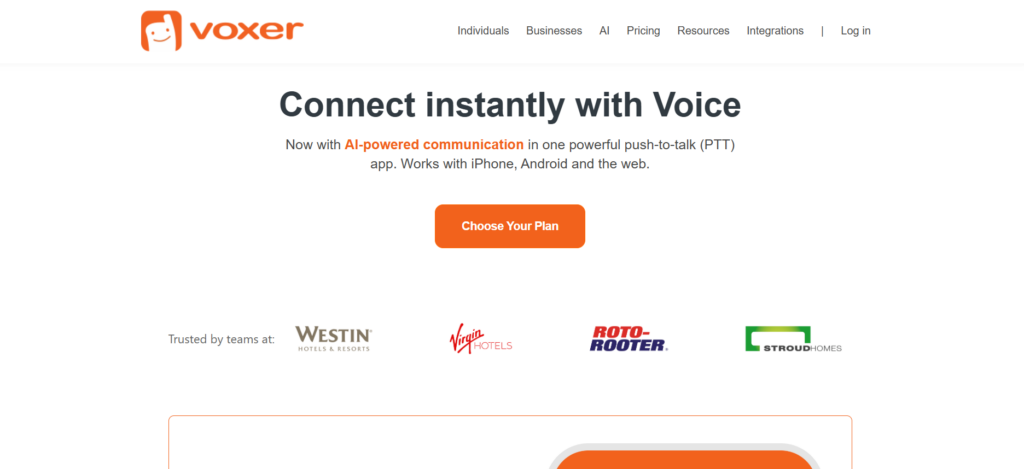
Voxer takes a different angle. It started as a consumer walkie-talkie app and grew into a business communication tool that plenty of smaller fleets quietly rely on. You can send live voice messages that recipients hear in real time, while also leaving voicemails, texts, photos and location pings that team members pick up later.
For dispatchers who want something simple and quick to roll out, Voxer Business can be a low-friction option. Drivers download the app on their existing smartphones, you set up channels for different routes or regions, and you are talking within an hour or so.
The catch is that you are depending on consumer-grade hardware, meaning whatever phone your driver happens to carry. If you operate in tough environments where ruggedized devices matter, you might want to pair Voxer with sturdy phone cases or look at dedicated PTT hardware down the line.
Motive
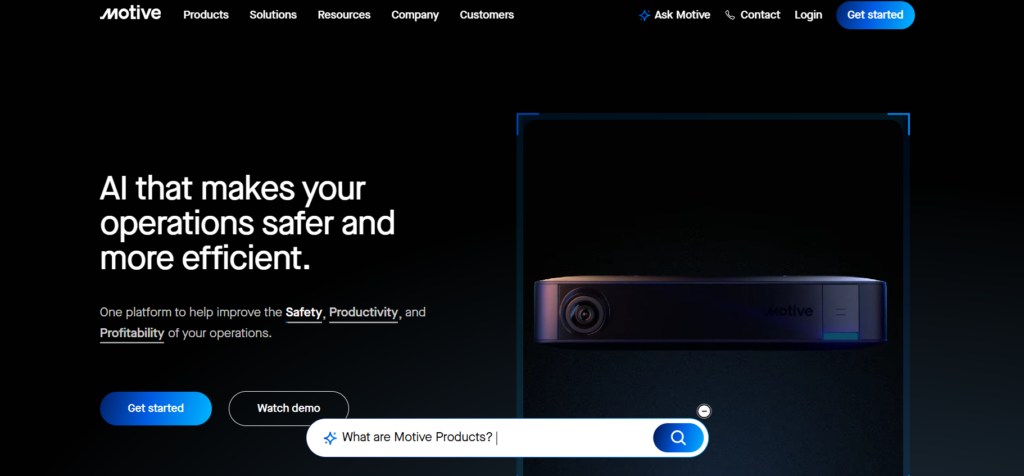
Motive earns the next spot as a non-PTT tool that pairs well with voice communication systems. Originally known for electronic logging device compliance, Motive has grown into a broader fleet operations platform that covers ELD logs, vehicle tracking, dispatch, driver safety and even spend management through fuel cards.
The driver app gives your team a single place to handle hours of service, vehicle inspections, document uploads and messaging back to the office. When your drivers are already using Motive for compliance, layering a PTT app on the same phone can keep the experience pretty tidy from a hardware standpoint.
Motive has been pushing AI-driven safety features hard, including cameras that flag risky behavior and recommend coaching moments. If you run long-haul or regional trucking and compliance is a constant headache, this one can take a lot off your plate.
Samsara
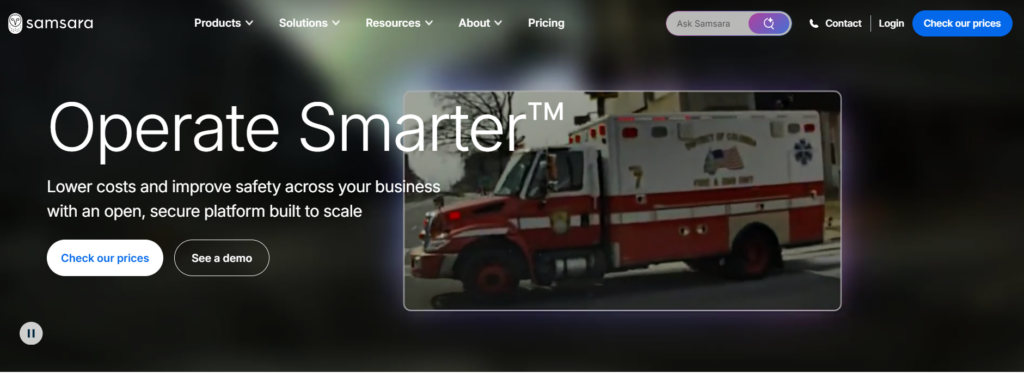
Samsara does not offer push-to-talk, but it earns a spot here because most fleets using PTT also need a way to see where their vehicles really are and how they are performing. Samsara pulls together GPS tracking, dashcam footage, driver behavior scoring, fuel monitoring and maintenance alerts into one dashboard.
If you pair a PTT platform with Samsara, dispatchers can see a driver’s location on a map and tap to call them in the same workflow, which closes a lot of communication loops faster. The AI dash cams have gotten sharper in 2026, catching things like distracted driving and hard braking with more accuracy, and that data can feed into coaching conversations later.
Pricing depends on fleet size and which modules you turn on, so smaller operations sometimes find it expensive, but midsize and larger fleets often see the cost pay back through reduced accidents and better routing.
Picking What Fits
There is no single right answer here. A small local delivery fleet might do great with Voxer and a simple GPS tool, while a regional carrier with hundreds of trucks could lean toward Peak PTT or Motorola WAVE PTX alongside something like Motive or Samsara.
The smart move can be starting with one piece, and seeing how your team adapts. If you try to swap your entire communication stack in one weekend, you might end up with frustrated drivers and dispatchers who quietly go back to their old habits. Roll it out slowly, listen to feedback, and let the tools earn their place on your team.
