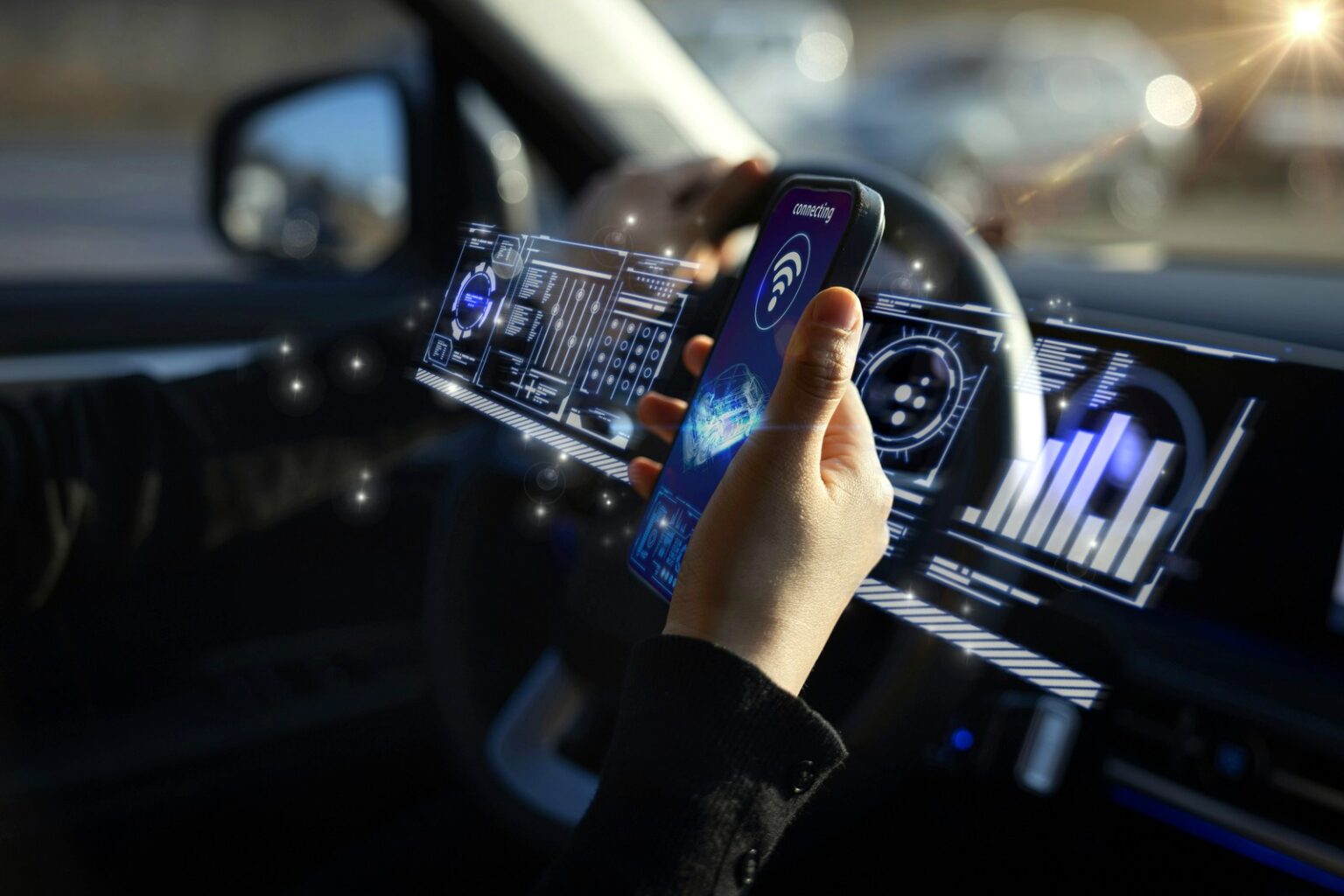
Advanced Vehicle Technologies and Accident Prevention Strategies
Smarter cars prevent many crashes. Plenty still happen anyway, though.

Smarter cars prevent many crashes. Plenty still happen anyway, though.
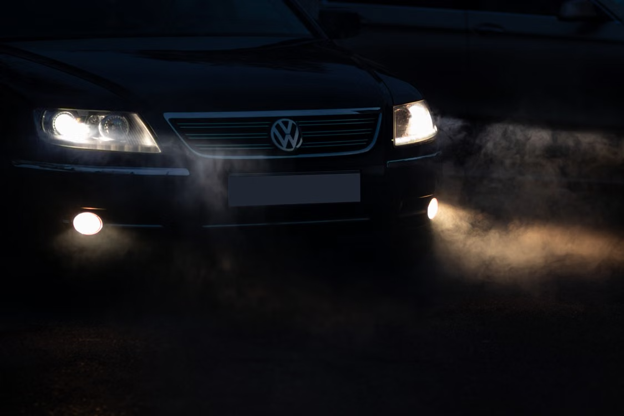
Fatigue when driving at night is always going to signal trouble ahead. Recognize them early enough, and they’re easily remedied.
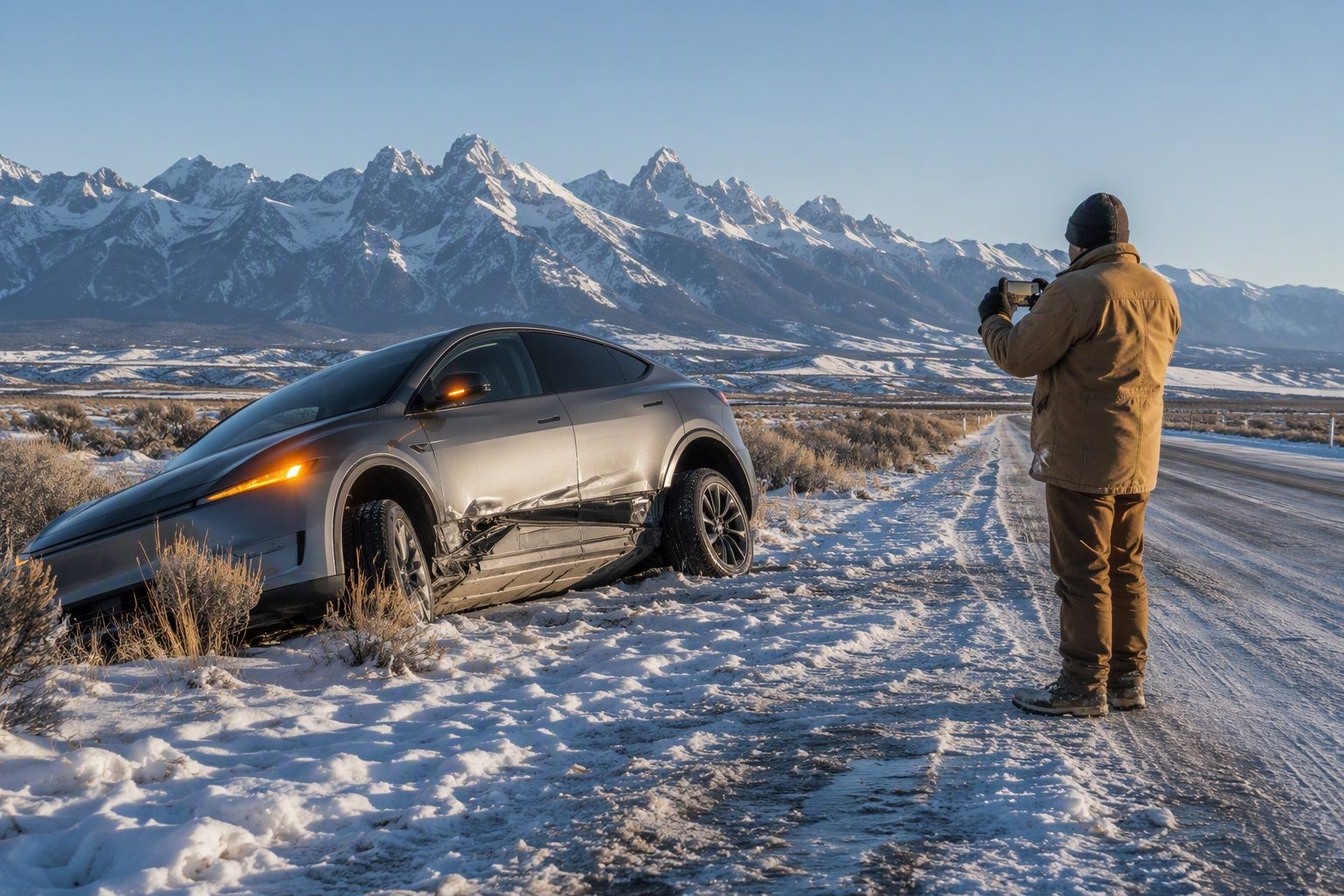
In the minutes after an electric vehicle collision, EV crash safety comes down to a short list of decisions. Most of them favor distance over a close look.
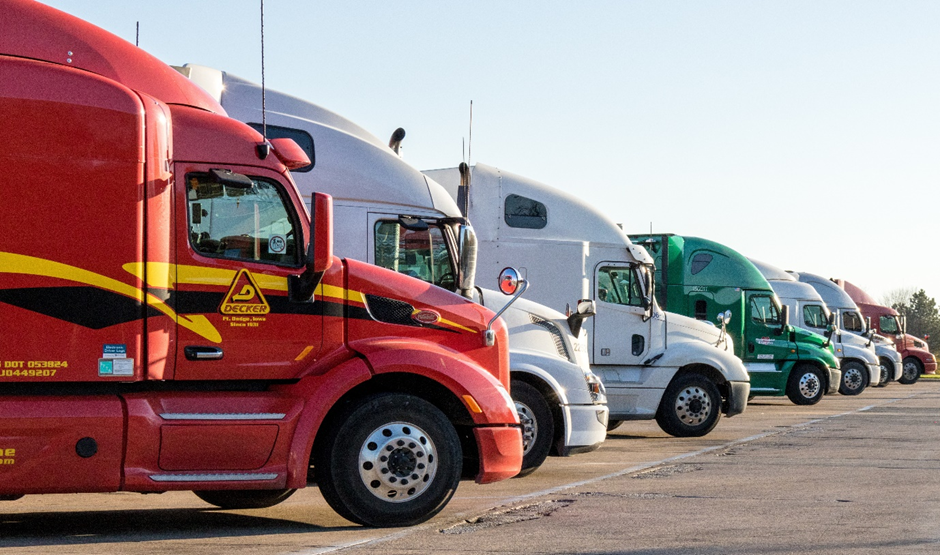
Connected vehicle safety systems help close the gap by giving operators live visibility into what their vehicles and drivers are doing.
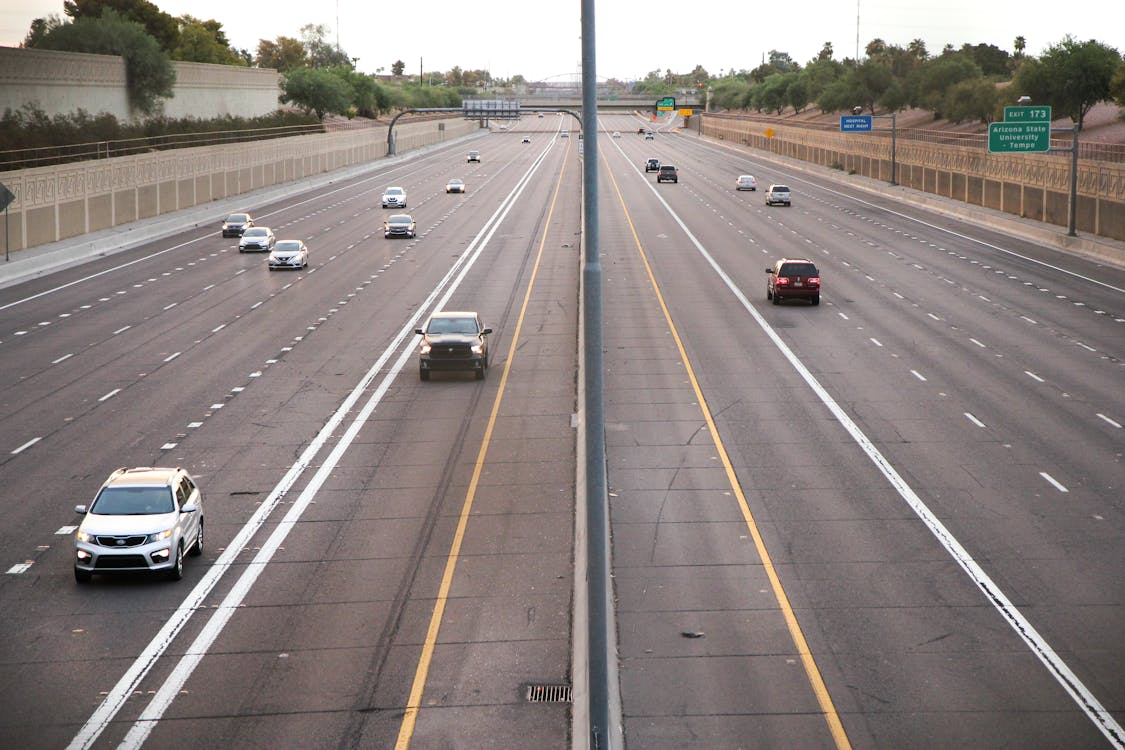
Lane-keep assist was supposed to make driving safer. But what happens when the tech actually fails?

Modern fleets are turning to technology such as real-time GPS tracking , AI-powered safety tools and data-driven systems to transform how businesses operate on the road.
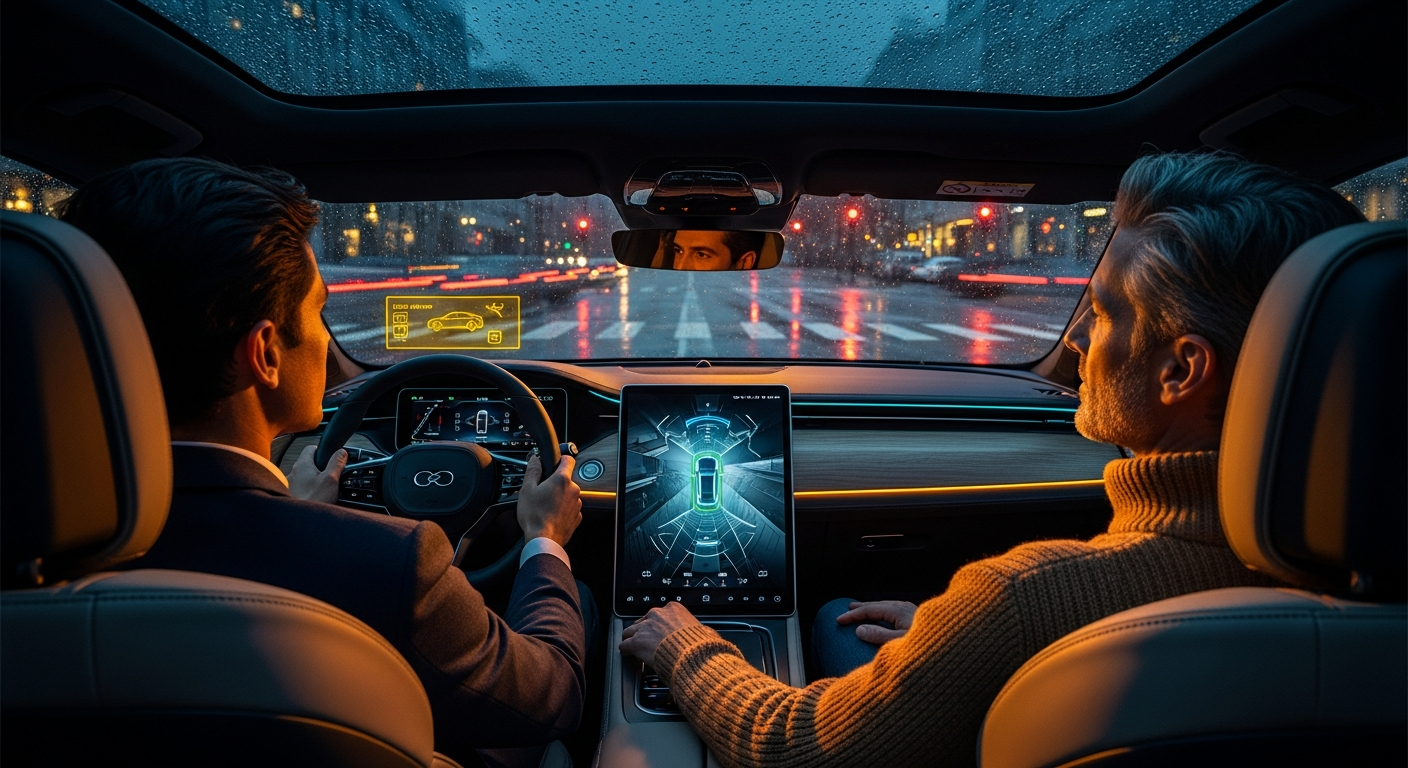
Modern electric vehicles act as continuous safety networks, always scanning for hazards and adapting to keep drivers safe.
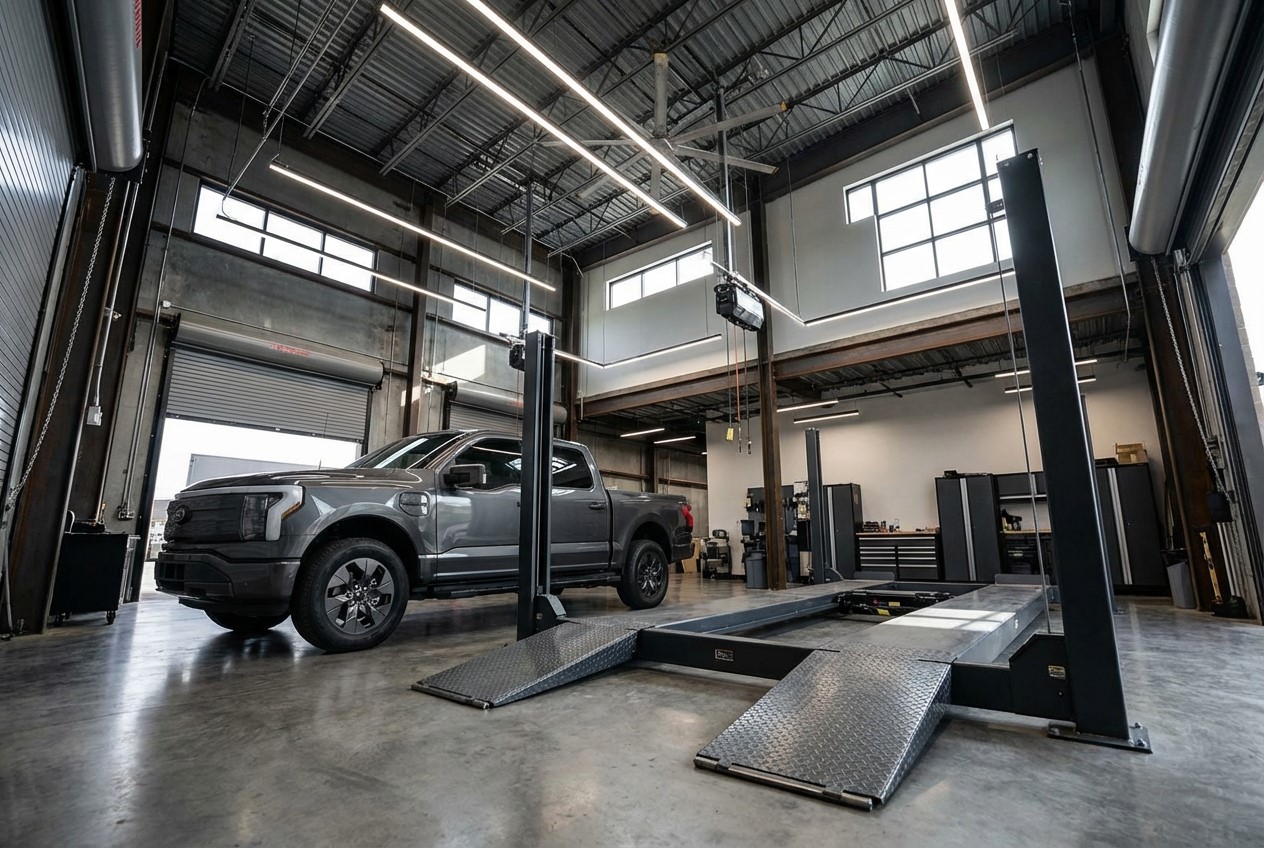
This article may contain affiliate links. Preparing an EV garage setup requires evaluating ceiling and floor strength, planning a strategic home charging layout, creating safe … Read more

This article may contain affiliate links. Most fleet drivers have seen it happen: a tiny chip appears on the windshield after a long highway run … Read more
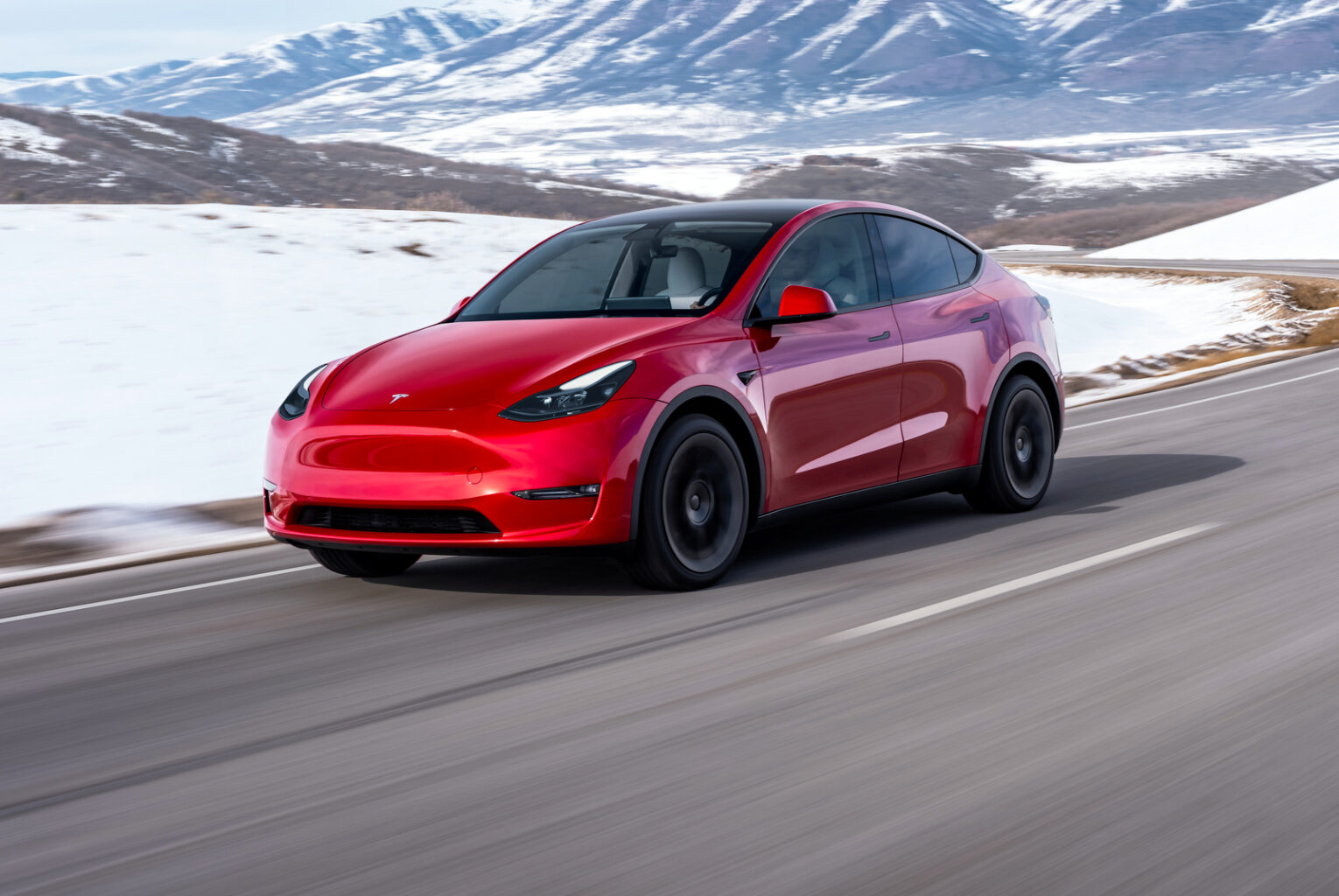
Tesla battery failure cases are more complex than a typical crash. You’re dealing with onboard data that needs forensic extraction, battery system experts who can interpret it and product liability law most firms don’t touch.