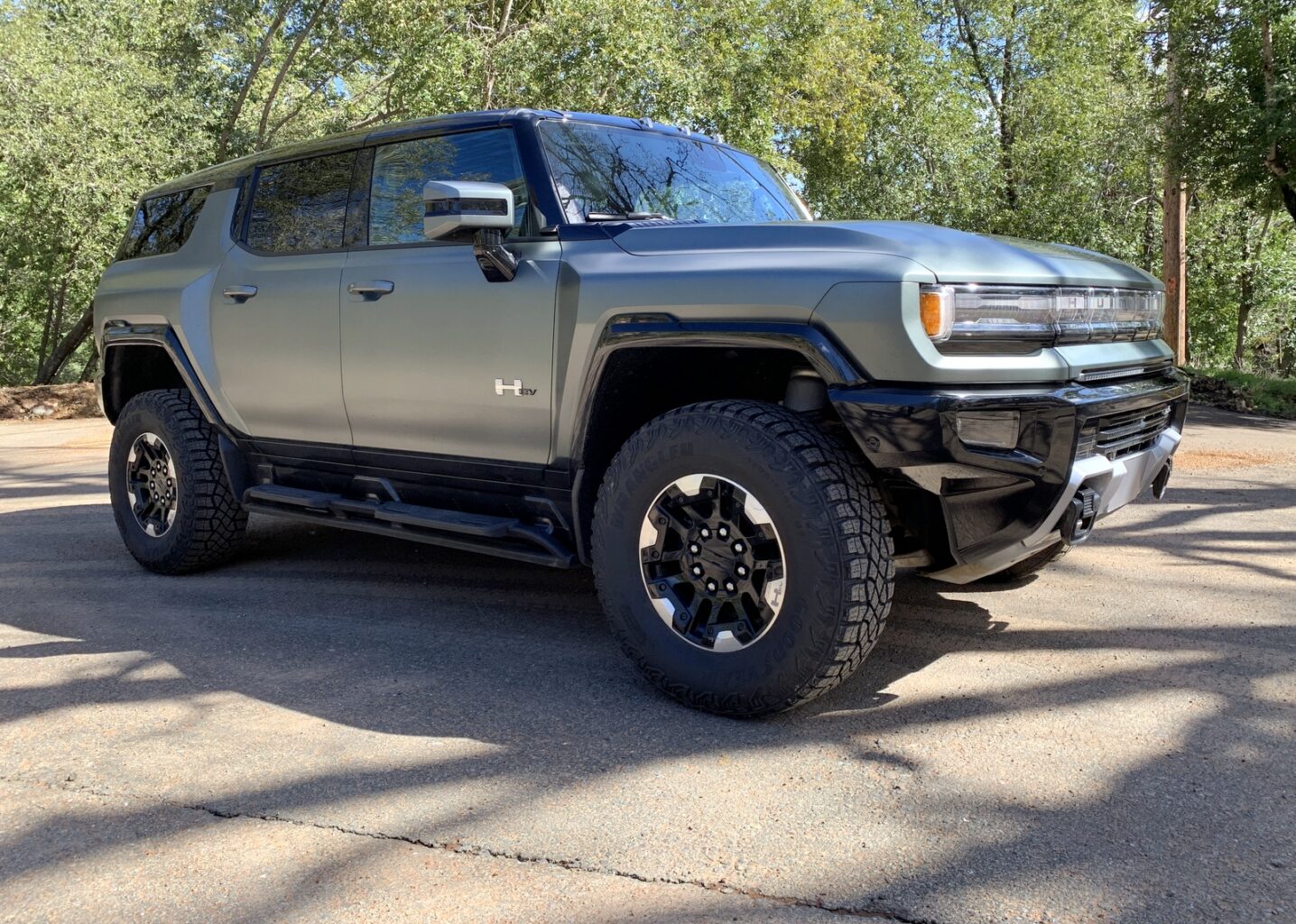
Heavier Cars, Harder Hits: What EV Weight Means When a Crash Happens
Physics explains it. In a collision, the heavier vehicle keeps more of its momentum and pushes the lighter one backward, so the people in the smaller car absorb more force.

Physics explains it. In a collision, the heavier vehicle keeps more of its momentum and pushes the lighter one backward, so the people in the smaller car absorb more force.
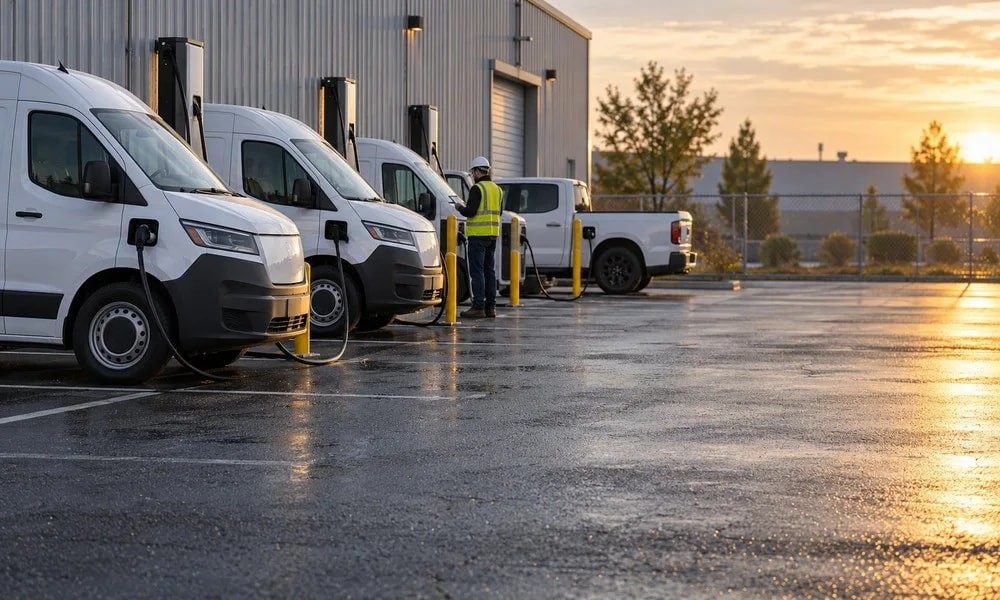
What shifts with an electric vehicle in the fleet is the value of the vehicle, how repairs are handled and a few coverage edges that never came up with gas engines.

Legal issues can spring up in the aftermath of a car accident, a repair shop dispute or the discovery of a serious defect in a new car.
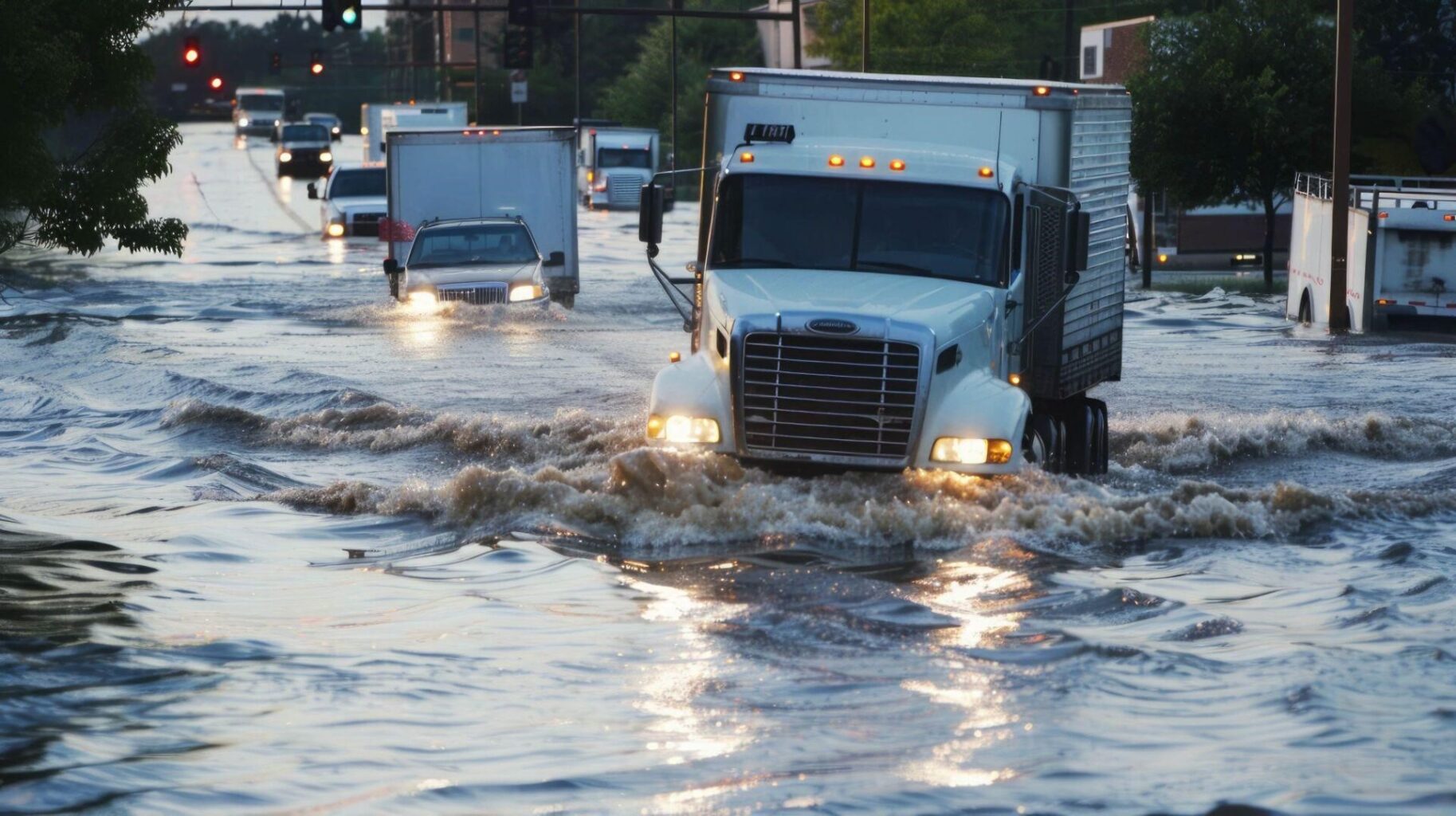
A little preparation before the first call on a flood-damaged truck keeps you from leaving money on the table or wasting days on back-and-forth questions.

Almost every Australian insurer treats a battery-powered vehicle as just another car, sells it exactly the same products as a gas equivalent and applies the same policy wording.

A damaged vehicle can still have a strong market value and be a total loss at the same time.
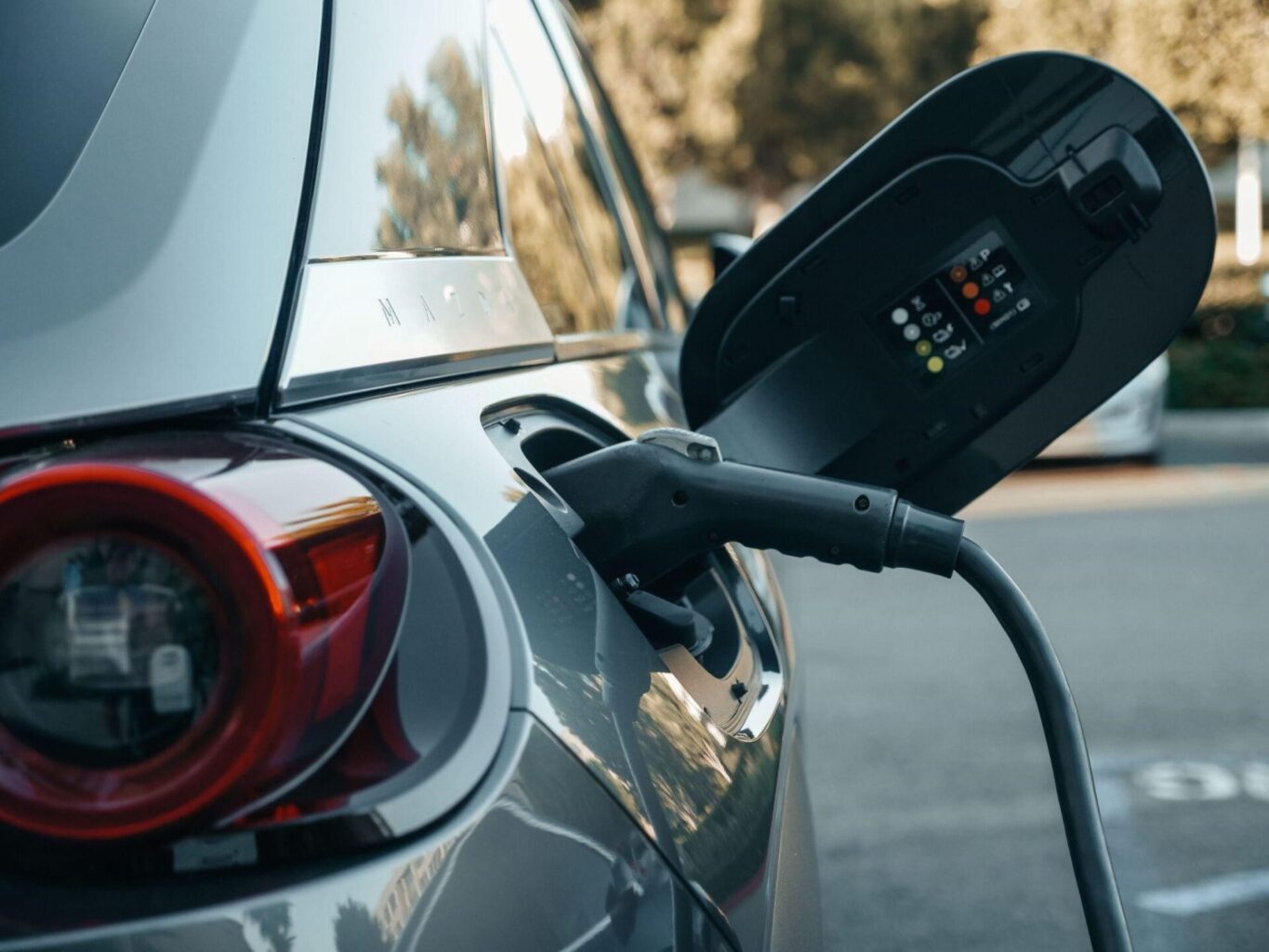
The EV businesses pulling ahead right now aren’t just building better vehicles. They’re building an ecosystem of partners around those vehicles.
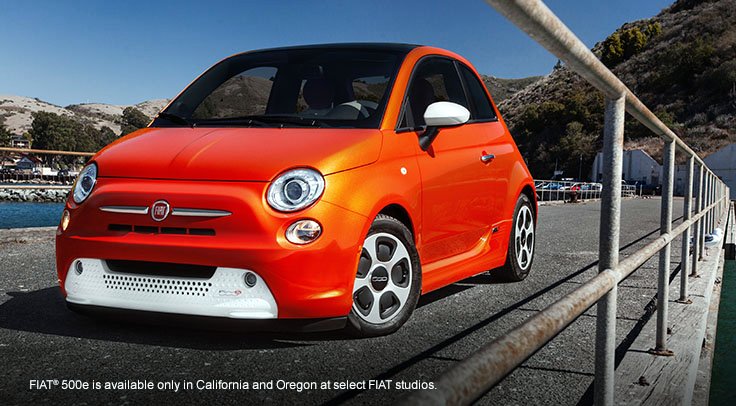
An EV can be declared a total loss after a collision even when the decision is driven by repair economics rather than the condition of every major system.

A total loss RV claim after a storm, rollover or fire is stressful enough before the settlement number arrives. Understanding how insurers calculate that number is the first step toward a fair outcome.

The electric vehicle insurance premium imbalance is a temporary reflection of a repair industry still catching up with rapid technological shifts.