
This article may contain affiliate links.
Selling the car is the easy part. The moment a customer drives off the lot, an entirely different set of expectations kicks in: where do they charge it, who fixes it when something goes wrong, what happens when the battery starts degrading five years from now. None of that gets solved by a great sales team alone, and customers notice fast when those gaps show up.
The EV businesses pulling ahead right now aren’t just building better vehicles. They’re building an ecosystem of partners around those vehicles, quietly, in the background, so the customer experience holds up long after the purchase is done. That ecosystem is quickly becoming just as important as the vehicle itself.
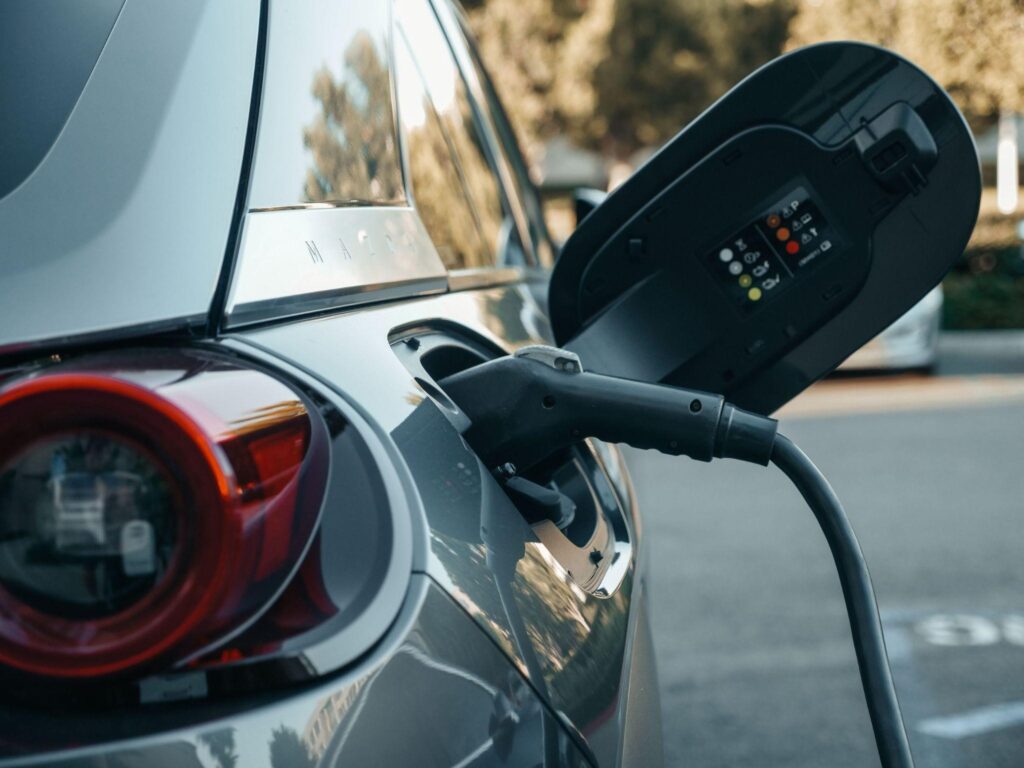
Charging Is the First Partnership That Actually Matters
Home charging installation, commercial charging access and maintenance contracts for that hardware all need a partner—or several. Most EV businesses don’t want to become an electrical contractor overnight, and they shouldn’t have to. The right installation partner turns a customer’s biggest post-purchase anxiety into a solved problem before it ever becomes a complaint, and that single decision often shapes how a customer talks about the brand for years.
Battery Services Deserve Their Own Partner Track
Battery health, degradation monitoring and eventual replacement or recycling programs are a different specialty entirely from general vehicle maintenance. Partnering with a dedicated battery services provider protects both the customer’s long-term satisfaction and the business’s liability down the road.
Insurance, Financing and Roadside Support Round Out the Picture
Traditional insurers and lenders are still catching up to EV-specific risk profiles, and roadside assistance providers need EV-trained technicians who understand towing and charging protocols that don’t apply to combustion vehicles. Partnering with providers who’ve already built EV expertise saves a growing business years of trial and error, and it spares customers from finding out the hard way that their roadside plan doesn’t actually cover their vehicle.
Finding the Right Partners Without Months of Manual Research
Identifying the right company in each of these categories, and more importantly, the right person to actually talk to inside that company, used to eat weeks of a business development team’s time.
GTM AI changes that math by letting teams research potential partners across categories like charging infrastructure, battery services and fleet software from a single prompt, surfacing the right contacts instead of a generic company directory.
Fleet Software Isn’t Optional for Business Customers
Any EV business selling into commercial fleets needs a software partner covering charging schedules, route planning and uptime tracking. This isn’t a nice-to-have. Fleet operators live and die by uptime, and gaps in charging visibility create real operational headaches, the kind detailed in this breakdown of common fleet charging delays, and how to prevent them before they cascade into missed deliveries.
That need matters more as the ecosystem gets more crowded. Charging demand alone is projected to grow dramatically over the next decade, which means the number of potential partners in that single category is only going to keep expanding.
The Ecosystem Is the Product Now
Vehicle quality got EV businesses in the door. The partnerships built around charging, maintenance, financing and support are what keep customers loyal once they’re through it. Building that ecosystem deliberately, rather than patching it together reactively, is quickly becoming the real competitive advantage in this space.
When those pieces work together, customers have fewer reasons to look elsewhere for what they need. A strong network of services can make the entire EV ownership experience feel easier and more dependable.
