
This article may contain affiliate links.
A delivery van rarely fails on the day that suits the route plan. The better warning may have appeared weeks earlier in a driver’s note, a repeat invoice or a rising number of regeneration complaints.
Fleet maintenance records become useful when they show patterns across mileage, routes, faults and repair outcomes. A folder of paid invoices proves cost. A working record helps predict the next interruption.
Build One Timeline for Each Van
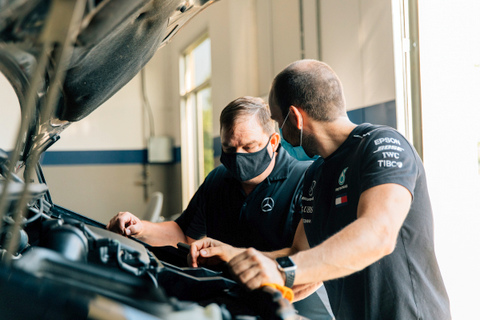
Give every vehicle a record tied to its VIN and internal fleet number. Include the in-service date, current mileage, duty cycle, assigned route and major equipment.
Add inspections, scheduled services, warning lights, diagnostic codes, repairs, recalls, tire work and roadside events in date order. Record the mileage and engine hours where available. A city van can accumulate idling and low-speed operating time that mileage alone understates.
The Federal Motor Carrier Safety Administration’s vehicle maintenance requirements provide a useful regulatory reference for motor carriers operating covered commercial vehicles. Fleet managers should determine which federal, state and local rules apply to their operation and vehicle class.
Preserve the Driver’s Exact Words
Drivers often notice a change before a fault code appears. “Needs more throttle leaving a stop” is more useful than “running bad.” So is “warning appeared after the third short route and cleared on the highway.”
Use a short defect form that asks for:
- Date, mileage and route
- Dashboard message or warning color
- Driving condition when it appeared
- Noise, smell, vibration or power change
- Whether the symptom cleared after restart
- Photograph of the display where safe
FMCSA’s driver vehicle inspection report guidance explains the federal reporting framework for covered vehicles. Even when a lighter van falls outside a particular rule, a consistent driver report gives the maintenance team a much better starting point.
Do not rewrite the driver’s description into a diagnosis. Preserve the observation and let testing determine the cause.
Track Repeat Visits as One Unresolved Event
If a warning returns after repair, connect the new visit to the earlier event. Separate invoice numbers can hide a single fault that was never fully resolved.
Record the diagnostic code, test performed, component repaired, software action and confirmation drive. Note whether the van returned to the same route. A fault that stays away on a long road test may return after several days of low-speed delivery work.
For Sprinters, the pattern around diesel particulate filter regeneration, DEF or AdBlue warnings, NOx sensors, EGR deposits and reduced-power events matters. A specialist providing Sprinter van service can compare the complaint with Mercedes-specific diagnostic data and the vehicle’s operating pattern. Replacing the part named in a code without testing the system around it can produce another visit.

Add Route Context to the Maintenance Schedule
Two vans with the same mileage may need different attention. One runs long highway legs at steady temperature. Another makes short stops, idles at loading points and carries maximum payload through traffic.
Group vehicles by duty cycle and compare fault rates. If short-route vans produce more regeneration complaints or battery issues, the fleet can adjust inspection timing and route planning. If one route repeatedly damages tires or suspension, inspect the road conditions and loading practice as well as the vehicles.
Season matters too. Cold starts, summer heat and mountain grades change the load on batteries, cooling systems, brakes and emissions equipment. Put seasonal checks on the calendar before the first extreme week.
Record Downtime in Hours and Cause
Repair cost alone misses the operational impact. For each event, record when the van left service, when diagnosis began, when approval was given, whether parts were delayed and when the vehicle returned.
Separate waiting time from hands-on repair time. A two-hour repair can still create three days of downtime if approval or parts ordering stalls.
Use a small set of cause categories: scheduled maintenance, roadside failure, driver-reported defect, recall, collision and repeat repair. The categories show where process changes may reduce lost hours.
Turn Records into Thresholds
After several months, set simple triggers. A second warning in 30 days may require escalation. A tire reaching a measured wear point can be scheduled before a route. A van with repeated cooling-system work may receive a pressure test at the next service rather than another visual check.
Thresholds should prompt inspection, not automatic part replacement. Their purpose is to move the decision earlier, while the van can still be scheduled.
Review open safety recalls by VIN through the official NHTSA recall tool. Keep completion evidence in the vehicle record instead of assuming that a dealership visit closed every campaign.
Review the Fleet Once a Month
A useful monthly meeting can take 30 minutes. Look at vans with repeat faults, rising repair hours, overdue inspections and the highest downtime. Assign one action and owner to each exception.
Do not bury the review in a large dashboard. Five accurate measures are enough to start: scheduled-service compliance, open driver defects, repeat repairs, downtime hours and roadside events.
The warning light remains important. The record around it often says more. A fleet that captures small observations, route conditions and repair outcomes can schedule work before a familiar pattern becomes tomorrow’s missed deliveries.
