
Charging Your EV with Rooftop Solar: What It Really Costs
Every kilowatt-hour of solar electricity you use to charge your EV is power you may not need to buy from a utility company.

Every kilowatt-hour of solar electricity you use to charge your EV is power you may not need to buy from a utility company.

Almost every Australian insurer treats a battery-powered vehicle as just another car, sells it exactly the same products as a gas equivalent and applies the same policy wording.
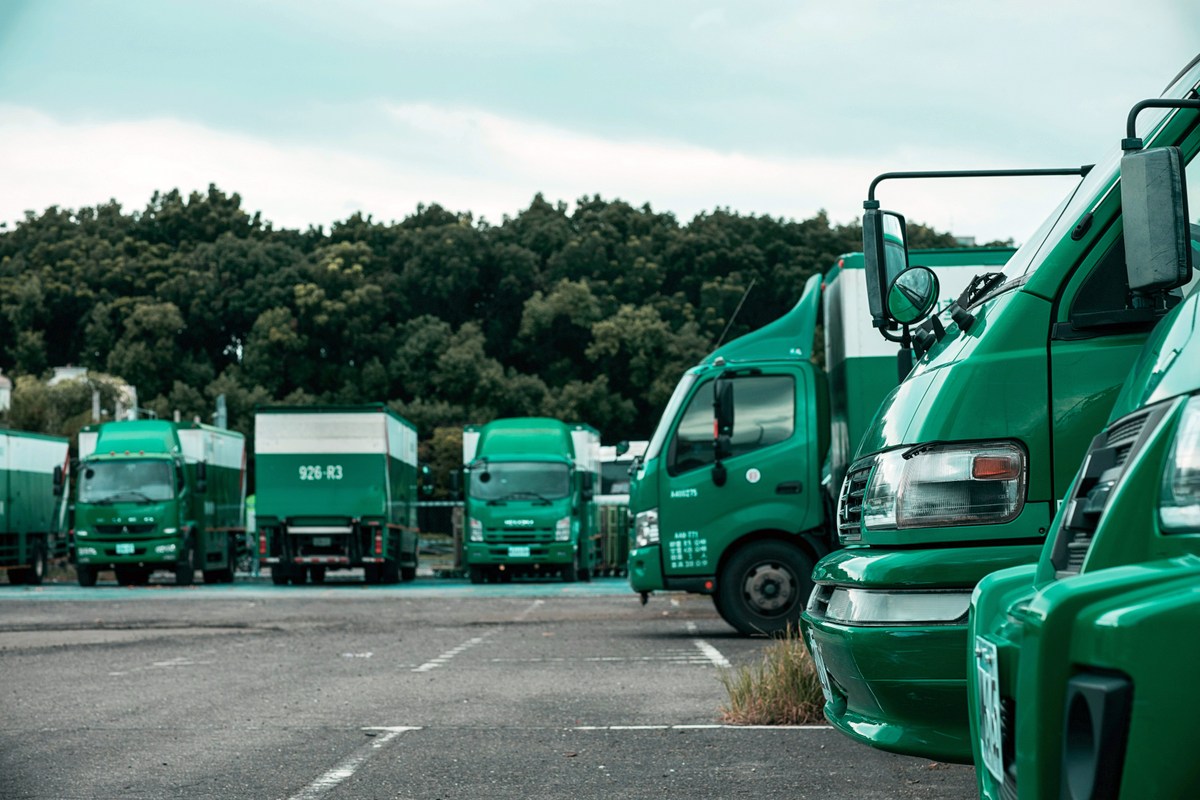
Electrifying a commercial fleet can reduce fuel use and change long-term maintenance costs, but the financial case depends heavily on how vehicles and charging infrastructure are funded.
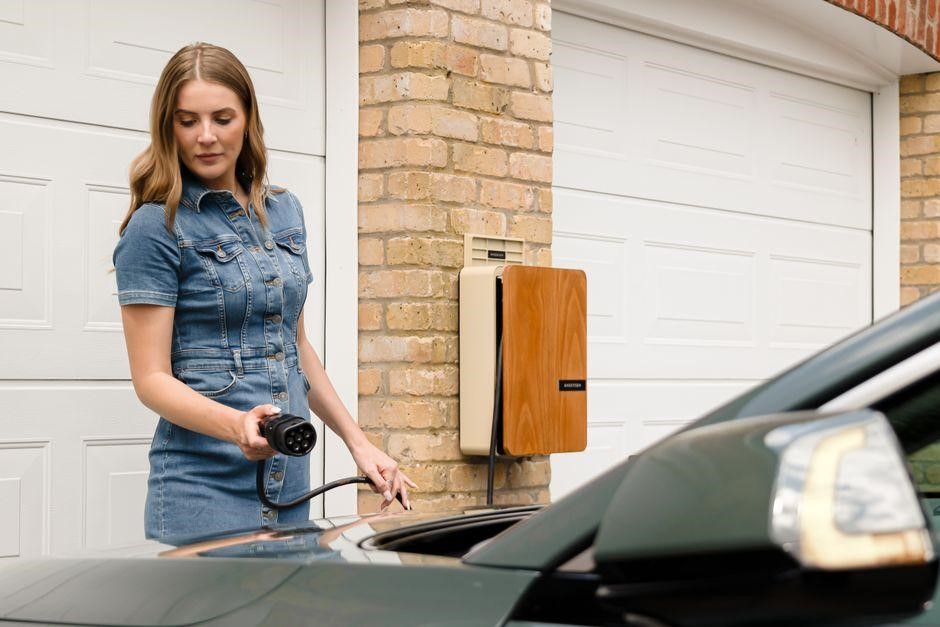
Home EV charger installation involves electrical assessments, permit requirements, charger selection and—in some cases—panel upgrades. Getting these decisions right from the start saves time, money and headaches down the road.

These technologies promise to revolutionize how people move, creating transportation systems that are not only greener but also more efficient, equitable and responsive to citizens’ needs.
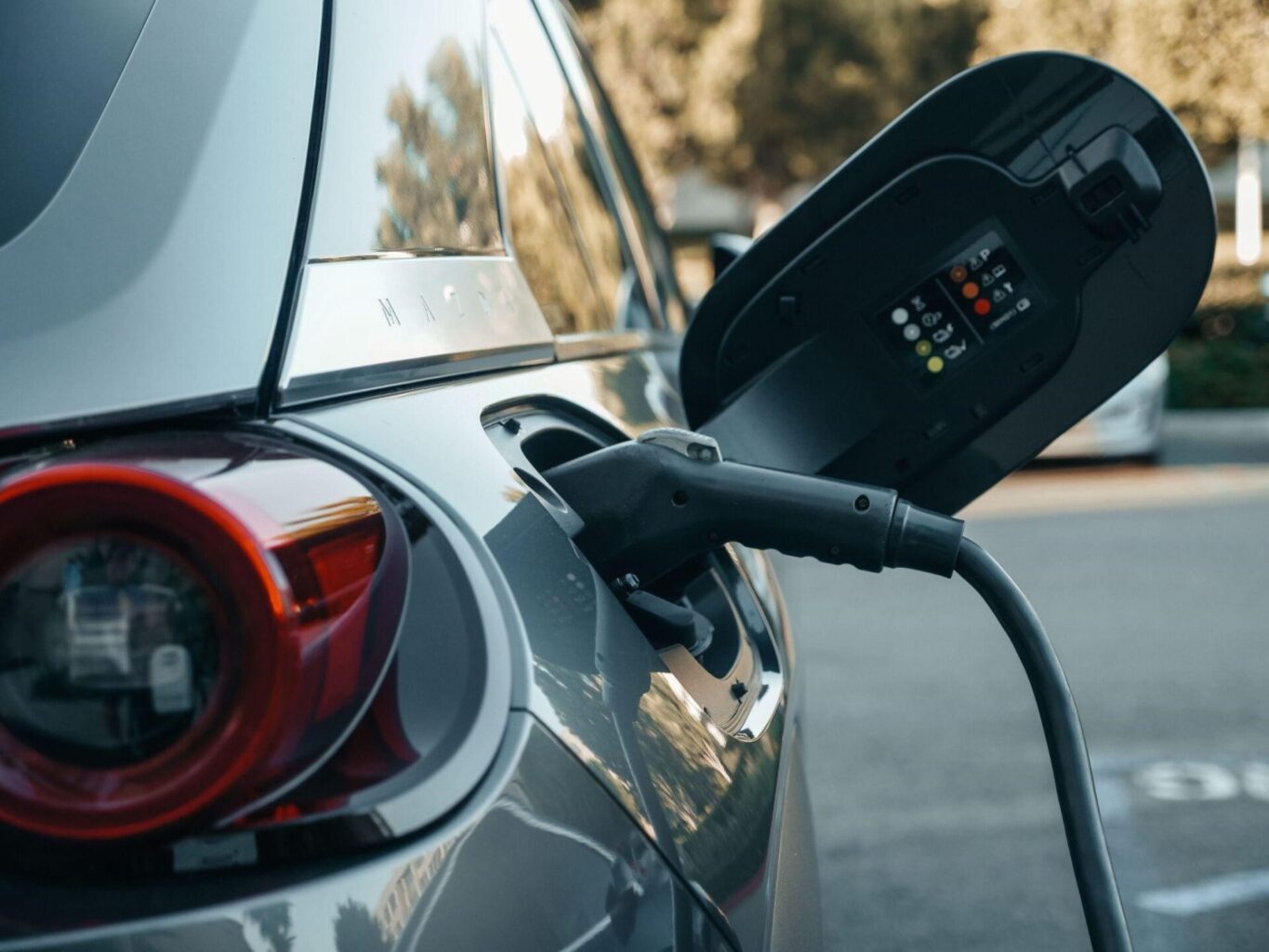
The EV businesses pulling ahead right now aren’t just building better vehicles. They’re building an ecosystem of partners around those vehicles.

If you are driving an electric vehicle or plug-in hybrid, heavy traffic turns route planning into a genuine safety issue.

Fleet managers who get burned by winter relocations usually made the call in isolation, treating each vehicle move as its own decision instead of checking it against a season and a map.
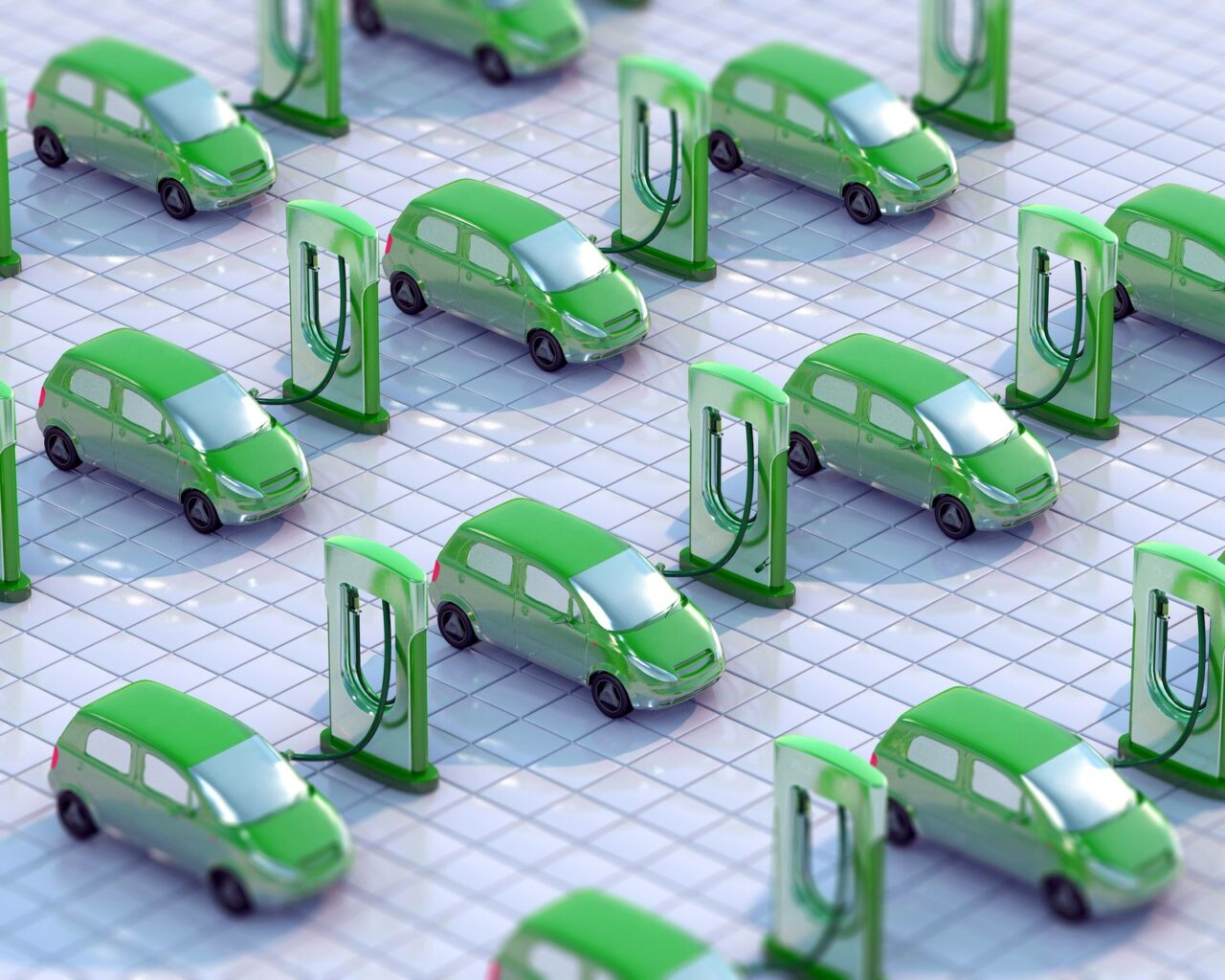
While replacing internal combustion engines with electric alternatives promises significant emissions reductions, the process introduces its own ecological challenges.

Converting brownfield sites into EV charging hubs addresses environmental cleanup while supporting the shift to cleaner transportation.