
This article may contain affiliate links
The world’s cities are growing at an unprecedented rate. This puts immense strain on transportation networks that were originally designed for a different era. Congestion, pollution and inefficiency are common challenges urban planners face daily. To build a more sustainable future, cities are now turning to smart technologies. These technologies promise to revolutionize how people move, creating transportation systems that are not only greener but also more efficient, equitable and responsive to citizens’ needs.
The Vision for Greener Urban Mobility
The core vision for greener urban mobility involves a shift away from single-occupancy, fossil-fuel-powered vehicles. Instead, it focuses on a multi-modal, clean-energy ecosystem. This means more than just replacing gasoline cars with electric ones. It’s about creating an integrated network where public transit, ride-sharing, electric vehicles (EVs), bicycles and pedestrian pathways all work together.
Smart cities achieve this by using technology to make sustainable options more convenient and appealing. For example, real-time data can tell commuters the fastest and most eco-friendly route, which might involve taking a train, then an e-scooter for the last mile. This interconnected approach reduces overall vehicle miles traveled, cuts emissions and improves the quality of urban life.
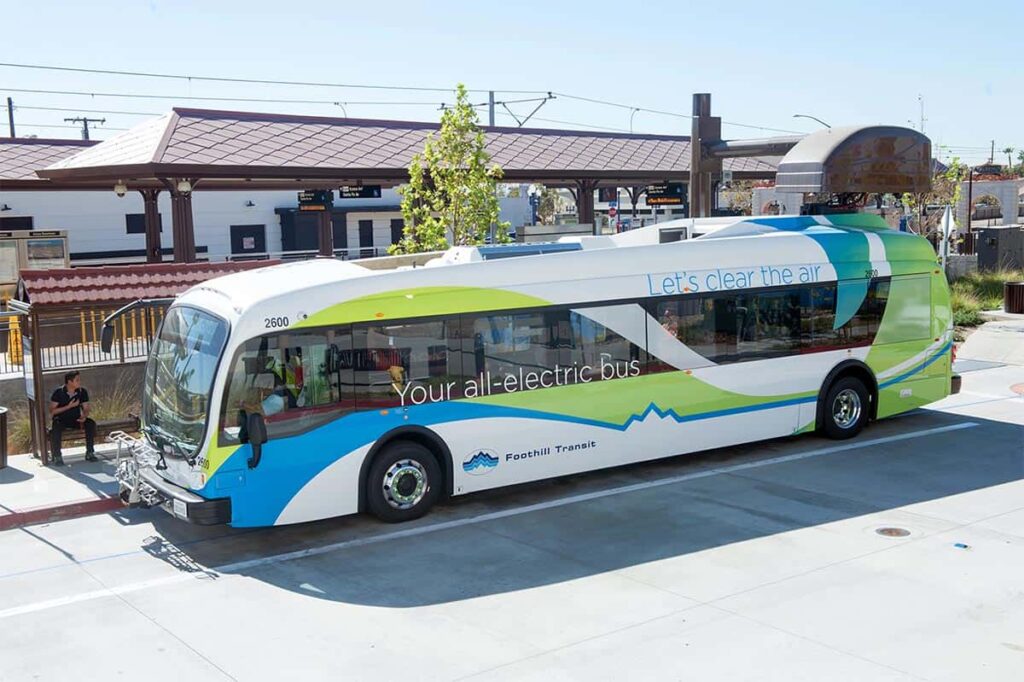
Integrating EV Fleets into City Grids
The rise of electric vehicles is a cornerstone of sustainable transportation. However, integrating thousands of them into the urban power grid presents a significant challenge. Unmanaged charging could easily overload local electrical infrastructure, especially during peak hours. Smart city solutions address this with intelligent charging systems.
EV infrastructure is also an important consideration as cities expand charging networks and integrate growing numbers of electric vehicles. These systems can communicate with the grid to schedule charging for off-peak times when electricity is cheaper and more abundant. Beyond this, advanced concepts like Vehicle-to-Grid (V2G) technology allow EVs to store energy and sell it back to the grid during periods of high demand. This transforms EV fleets from a potential liability into a distributed energy resource. It enhances grid stability and supports the integration of renewable energy sources. The successful link between EVs and smart city initiatives is critical for a truly clean transportation future.
Optimizing Traffic Flow with Intelligent Systems
Traffic congestion is a major source of urban pollution and economic loss. Intelligent Transportation Systems (ITS) use a network of sensors, cameras and data analytics to monitor and manage traffic in real time. These systems can dynamically adjust traffic signal timing to reduce idling, reroute vehicles away from accidents or congestion, and provide drivers with live updates.
Automatic license plate recognition (ALPR) is a key technology in this area. Modern ALPR systems provide valuable data on traffic volume, flow patterns and vehicle types without disrupting traffic. This information lets city managers understand how their road networks are being used, identify bottlenecks and implement targeted improvements. By making traffic flow smoother, these intelligent systems reduce fuel consumption, lower emissions and save commuters valuable time.
Data-Driven Infrastructure Planning
For decades, urban infrastructure planning was a slow process. It relied on outdated census data and manual traffic counts. Smart cities are changing this with a data-driven approach. By continuously collecting and analyzing anonymous data from GPS devices, transit cards and roadway sensors, planners can gain a deep understanding of how people move through the city.
This insight is invaluable for making informed decisions about where to build new transit lines, bike lanes or EV charging stations. For example, data might reveal a high-demand corridor that is underserved by public transit, prompting investment in a new bus route. This approach ensures that infrastructure investments are targeted where they are most needed, maximizing their impact and promoting sustainable energy integration for future mobility needs.
The Future of Urban Transit Management
The future of urban transit is integrated and on-demand. Traditional fixed-route, fixed-schedule bus and rail systems are now being supplemented by more flexible services. Mobility-as-a-Service (MaaS) platforms are emerging. These allow users to plan, book and pay for trips across multiple modes of transport, from trains and buses to bike-shares and ride-hailing services, all within a single app.
These platforms use data to optimize routes and schedules, providing a level of convenience that can compete with private car ownership. By making public and shared transit easier to use, cities can encourage a significant shift in how people travel, leading to less congestion and cleaner air for everyone.
Smart city technologies are not just about futuristic gadgets. They are practical tools for solving some of the most pressing challenges facing urban areas today. By embracing data, connectivity and clean energy, cities can build transportation systems that are better for the planet and for the people who call them home.
