
This article may contain affiliate links.
Under federal regulations governing event data recorders (EDRS), crash data is the first thing investigators look for in a modern vehicle. While a witness is unlikely to remember what happened in the last five seconds before a crash, a Tesla Model 3 will log its speed, brake use and whether autopilot was active.
What Federal Rules Require Event Data Recorders to Capture
Crash data from EDRS, governed by 49 CFR Part 563, can include, but is not limited to, the vehicle speed prior to a crash, if the brake was applied, the accelerator position, if a seat belt was used and whether the airbag deployed. The timeframe the EDR captures is about five seconds before a crash. The Driver Privacy Act of 2015 makes it clear that EDR data is owned by vehicle owners, limiting who can access it without consent or a court order.
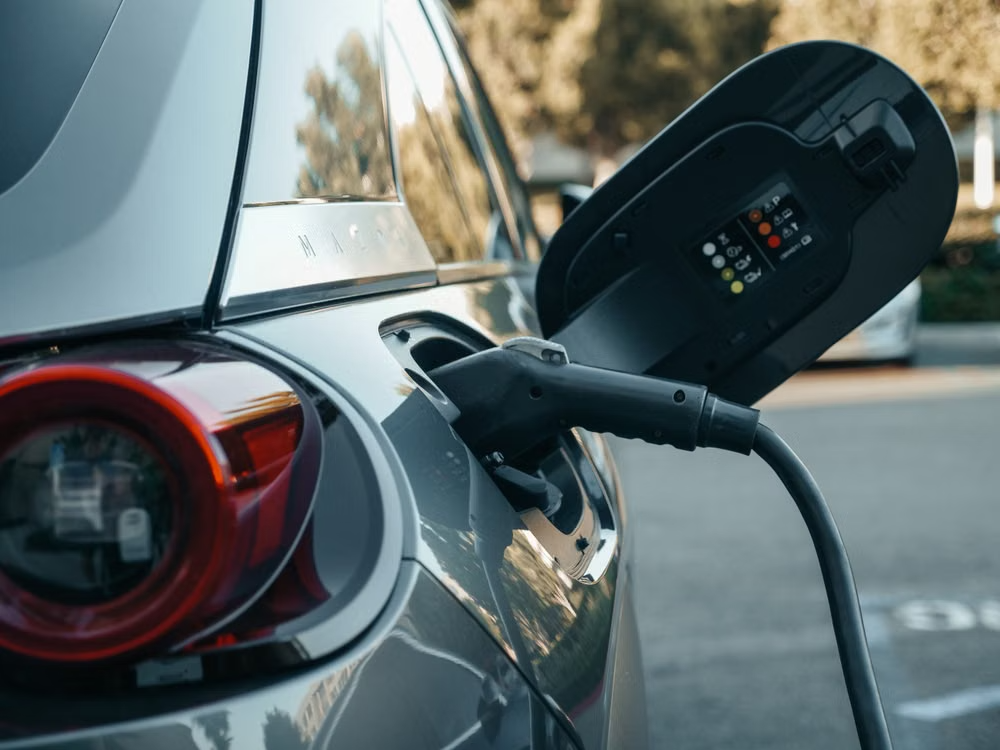
What Modern EVs Record
Modern EV models and vehicles with advanced driver-assist systems log far more data than is required by the federal regulations and that data has played a pivotal role in litigation.
Driver Monitoring Cameras
An infrared camera aimed at a driver’s head position in Cadillac’s Super Cruise driver monitoring system and a similar system in Ford’s BlueCruise driver monitoring can capture where a driver was looking in the last minute before a crash.
NHTSA’s Standing General Order requires automakers to report crashes involving Level 2 and automated drivers-assist systems (ADAS), which may assist in litigation matters. It’s another tool that the NHTSA can use to understand how these systems perform in real-world crashes. At the same time, the digital trial created means driver attention data is becoming a critical piece of evidence for investigators, insurers and courts alike.
How Investigators and Insurers Use the Data
Adjusters and attorneys often seek EDR data when a car accident involves negligence. At its core, many of these cases boil down to who was in control of the vehicle at the time of a crash, the driver or the vehicle’s ADAS. However, while Level 2 systems like Autopilot and Super Cruise allow a driver to have their hands off the wheel, the driver is still required to pay attention.
Logged data can help determine who was at fault, if the driver was paying attention or if the automaker has a faulty system. Some EDR data can be accessed with a Bosch CDR tool and some technical training while other data, like vehicle telemetry, is stored in the cloud and would require a subpoena or other request to the automaker.

Next Steps for Fleet Managers
If your fleet includes Teslas, electric trucks, Mach-Es or other vehicles with Super Cruise-like capabilities, ensure that you take the following steps:
- Find out from each automaker how long it retains crash and other vehicle data and the process for obtaining it.
- Confirm if your telematics agreement gives you access to driver-monitoring alerts.
- Implement a crash data retention policy that retains data until a claim is resolved.
