
This article may contain affiliate links.
Many cars sold today will brake before you’ve even spotted the kid chasing a ball into the street. Some nudge the wheel when you drift, others beep about a cyclist you never saw coming. Handy stuff, honestly. Then a crash happens anyway, and everyone starts pointing fingers at the driver, at the car, at whoever wrote the software.
How Your Car Keeps You Out of a Wreck
Most rear-end crashes start with a phone. Eyes down for two seconds, the car ahead stops, and the driver hits the brake too late. The radar behind the grille doesn’t glance at anything. It’s watching the whole time, and that’s pretty much the entire pitch.
The Features Worth Knowing by Name
- Automatic emergency braking (AEB) brakes for you if a car or person shows up and you don’t react. IIHS studies show a drop in rear-end crashes of around 50%.
- Lane keeping assist. Pulls you back if you drift out of your lane. Useful late at night.
- Blind spot monitoring. That orange light in the side mirror. Easy to ignore, until it isn’t.
- Adaptive cruise control, which speeds up and slows down with traffic on its own. Less tailgating.
- Rear cross-traffic alert. Beeps if a car is coming while you back out of a parking spot.
By September 2029 NHTSA wants AEB in pretty much every new passenger car and light truck sold here. Automakers are still contesting parts of it in court. Either way, a feature that cuts rear-end crashes roughly in half probably shouldn’t be locked behind a pricey trim upgrade. Makes sense, right?
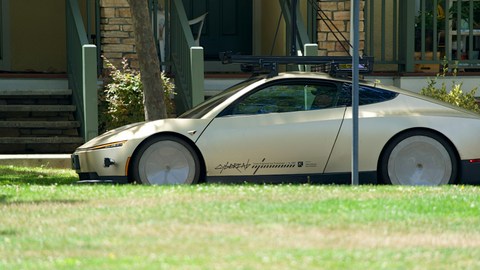
When the Tech Gets It Wrong
Here is the thing, though. Somewhere around page 300, the owner’s manual says it plainly. You’re still the driver, whatever the dashboard says. Ever driven straight into a low sun after a muddy weekend at Big Bear? The camera can’t see much either, and faded lane paint throws it off just as badly. Meanwhile, the driver who got used to the car handling everything picks a playlist.
And when something goes wrong, who gets blamed? Was the driver scrolling? Did a sensor quit? Remember Tesla’s recall in December 2023 of about two million cars over Autopilot’s driver monitoring? Recalls like that one can matter later in a claim, by the way.
If you’re stuck figuring out whether it was you or the car, for example, a Beverly Hills car accident attorney can look at it early, before the crash data, repair logs and recall papers get lost once the car’s been fixed or sold off at some salvage auction.
Busy Streets and the Crashes Nobody Saw Coming 10 Years Ago
Cities changed faster than people’s driving habits did. Stand at any busy Los Angeles intersection on a Friday night. Scooters, e-bikes, delivery vans with hazards on, rideshare cars stopping mid-lane and now cars with nobody in the driver’s seat are part of the mobility parade.
Fresh Risks on Crowded Streets
- E-bikes zipping along at 20 mph in the bike lane (and yes, sometimes on the sidewalk)
- A rideshare driver poking at the app for the next pickup while still rolling
- Sudden stops and drop-offs right in a traffic lane
- Passengers swinging a door open into a cyclist
- Autonomous cars that react differently from human drivers
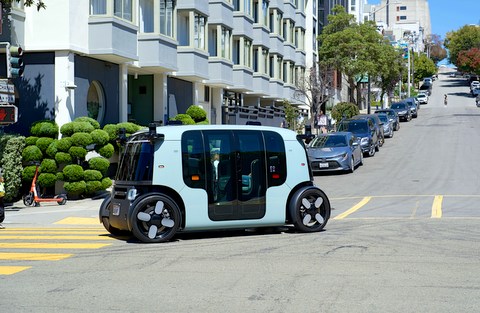
Driverless Cars Are Already Here
In LA, San Francisco and elsewhere you can already hail a Waymo with nobody behind the wheel and pay for the ride like any other cab. The safety record so far is uneven. In 2018, an Uber test car in self-driving mode struck and killed a woman walking her bike across a road in Tempe, Arizona. Then came San Francisco, October 2023. A Cruise robotaxi dragged a pedestrian who’d been hit by another car first, and the California DMV pulled Cruise’s driverless permits. Both cases pointed to one problem. When software drives, figuring out who pays gets much harder.
Uber and Lyft Crashes Get Messy Fast
You’re in the back of an Uber, and someone runs a red. Whose insurance pays? Depends. The driver’s own policy? Uber’s commercial one? A lot hangs on what the app was doing right then. Was the app off? Waiting for a request? Each answer changes the insurance picture. Landver Law is one company that sees these claims often, and a call to a Beverly Hills rideshare accident lawyer in the first few days has a much better chance of securing trip logs and app data before they vanish.
Why Trusted Legal Sources Beat Random Forum Advice
After a crash, people search online. Then they land on a forum thread from 2014 or a video from someone who “knows a guy.” Which, well, isn’t ideal when there’s a clock ticking.
And there is one. California gives you two years to file most personal injury lawsuits, but if a city bus or a county road crew was involved, you usually have to file a claim with that agency within six months. Miss it, and you might not get another shot. You need reliable sources to evaluate you potential claim.
What a reliable source looks like:
- Somebody licensed in your state who actually checked the evidence
- Writing that reflects the law as it stands now, not how things were back in 2019
- An agency with a real person to talk to, not just a form that goes nowhere
Firm sites like Landver Law’s, the State Bar of California’s lawyer lookup and NHTSA’s recall search can help. That’s the kind of stuff you can check for yourself to get started.
So, Are Smarter Cars Making Us Safer
Smarter cars prevent many crashes. Plenty still happen anyway, though. Clean the sensors, punch your VIN into NHTSA’s recall tool every few months, and actually keep watching the road instead of letting the car babysit you. If you do end up in a wreck, get advice from people who handle these cases every week. Keep in mind this is general information and can’t stand in for legal advice in your specific case.
