
This article may contain affiliate links.
For decades, the BMW M5 has represented a specific idea of performance: executive comfort combined with sports car capability. Every generation pushed that formula further, but the new G90 enters a different landscape. Modern performance sedans are no longer judged only by acceleration numbers or lap times. Appearance and individuality now play an equally important role.
That shift explains why body kits and exterior tuning have become increasingly relevant for cars like the BMW M5 G90.
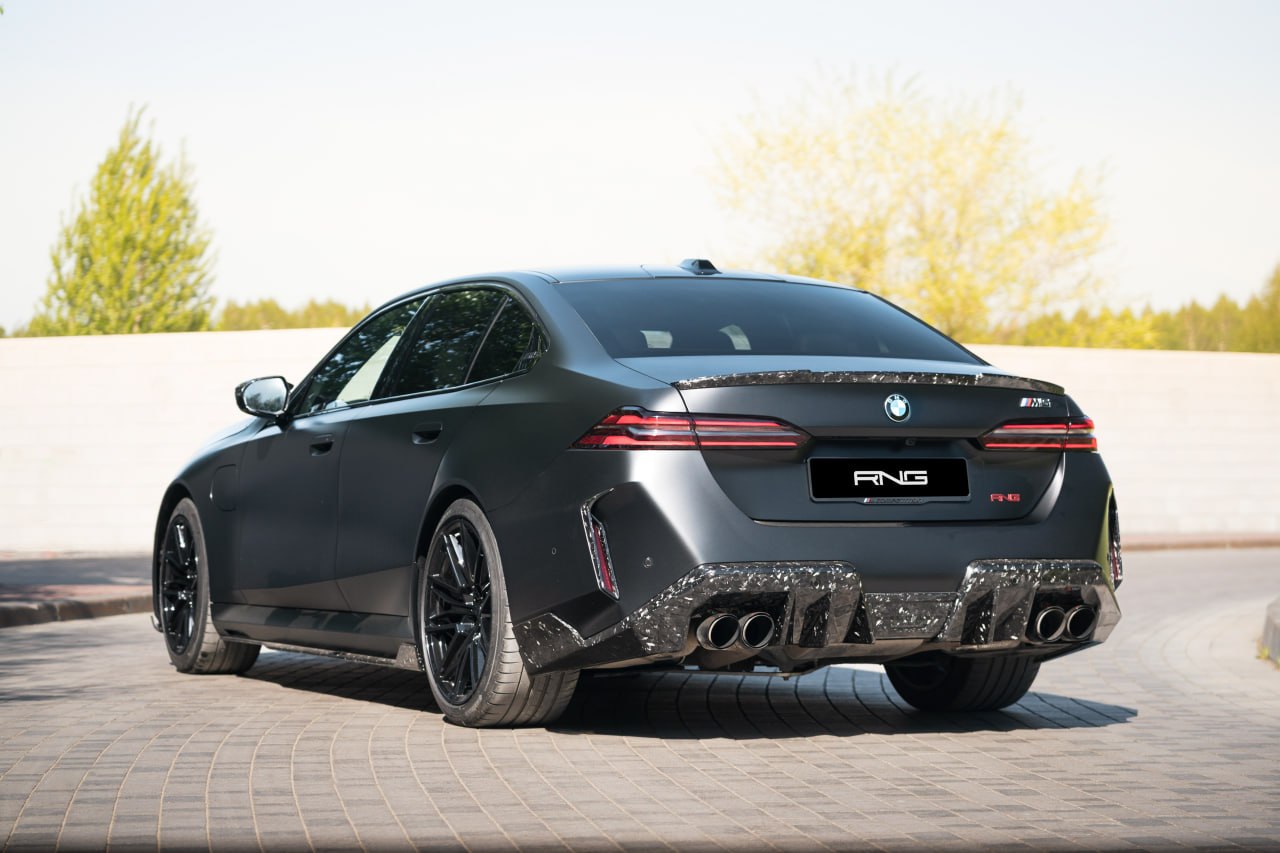
Why Owners Modify a Car That Already Looks Aggressive
At first glance, the latest M5 hardly appears understated. Wide proportions, muscular body lines, large air intakes, and a confident stance already give the car a strong visual presence.
Yet factory design always has limitations. Manufacturers must satisfy a broad audience, comply with regulations and balance sportiness with long-term practicality. The result is often a design intended to appeal to many people rather than fully express a stronger character.
For enthusiasts, exterior tuning becomes a way to bring out qualities already hidden within the car. Instead of changing the identity of the M5, well-designed body modifications can emphasize it. The car becomes lower visually, wider in appearance and more focused without losing the original DNA that made the model attractive in the first place.
The Elements That Define a Modern Body Kit
Unlike older tuning approaches that often relied on oversized components and dramatic shapes, modern premium body kits are usually designed around subtle but effective changes.
A front splitter, for example, can create a sharper and more planted appearance at the front of the vehicle. Side skirts visually reduce body height and make proportions appear longer. Rear diffusers add a more performance-oriented look, while trunk spoilers can complete the overall balance of the car.
Individually, these components may seem relatively small. Together, they can completely change how a vehicle is perceived.
For larger performance sedans such as the BMW M5 G90, proportional balance becomes particularly important because visual weight can easily affect the character of the design.
Carbon Fiber Continues to Shape Premium Tuning
Material selection has become almost as important as design itself.
Carbon fiber remains one of the most desirable materials in the world of high-end automotive customization. Beyond its recognizable appearance, it offers significant advantages, including low weight and high structural strength.
The appeal goes beyond pure functionality. Exposed carbon surfaces create a technical and motorsport-inspired character that many enthusiasts appreciate.
At the same time, modern production technologies now allow manufacturers to experiment with forged carbon and composite materials that introduce different textures and visual effects while maintaining durability.
The Difference Between Custom and Excessive
Perhaps the biggest change in today’s tuning culture is maturity.
Years ago, modifications often focused on attracting attention at any cost. Modern enthusiasts increasingly prefer a more refined approach. The objective is not to make the car look completely different—it is to make it look like a better version of itself.
That philosophy works especially well with vehicles like the BMW M5 G90. The car already has a strong personality. Successful exterior tuning does not replace it; it simply amplifies it. This is also the direction followed by studios such as Renegade Design, where body kits are created to integrate with the original lines of the car rather than compete with them.
Because ultimately, performance is not experienced only behind the steering wheel. Sometimes it begins with the first glance at a parked car and the feeling that it looks exactly the way it should.
