
Practical Steps Toward a Sustainable Transport Future
Whether you are a daily commuter trying to dodge high fuel prices or a fleet manager tasked with lowering a company’s carbon footprint, the sheer number of options can feel overwhelming.

Whether you are a daily commuter trying to dodge high fuel prices or a fleet manager tasked with lowering a company’s carbon footprint, the sheer number of options can feel overwhelming.
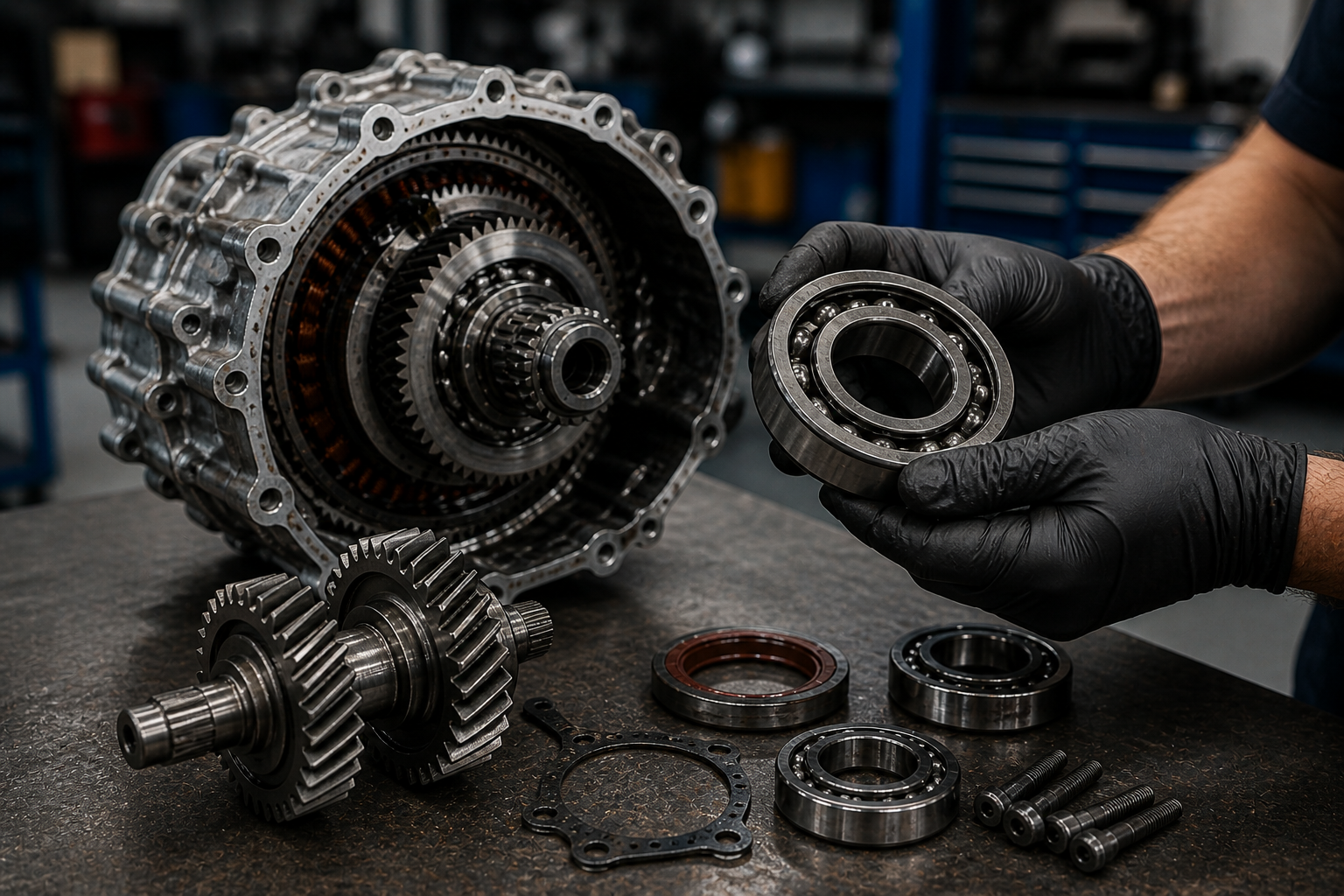
Electric vehicles are known for being simple and reliable, but that does not mean everything lasts forever.
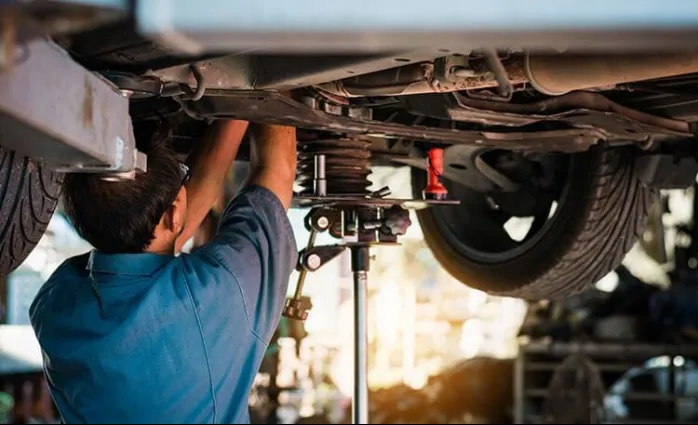
Sourcing decisions, material selection and testing practices collectively influence brake pad performance consistency across a fleet.

Modern fleets are turning to technology such as real-time GPS tracking , AI-powered safety tools and data-driven systems to transform how businesses operate on the road.
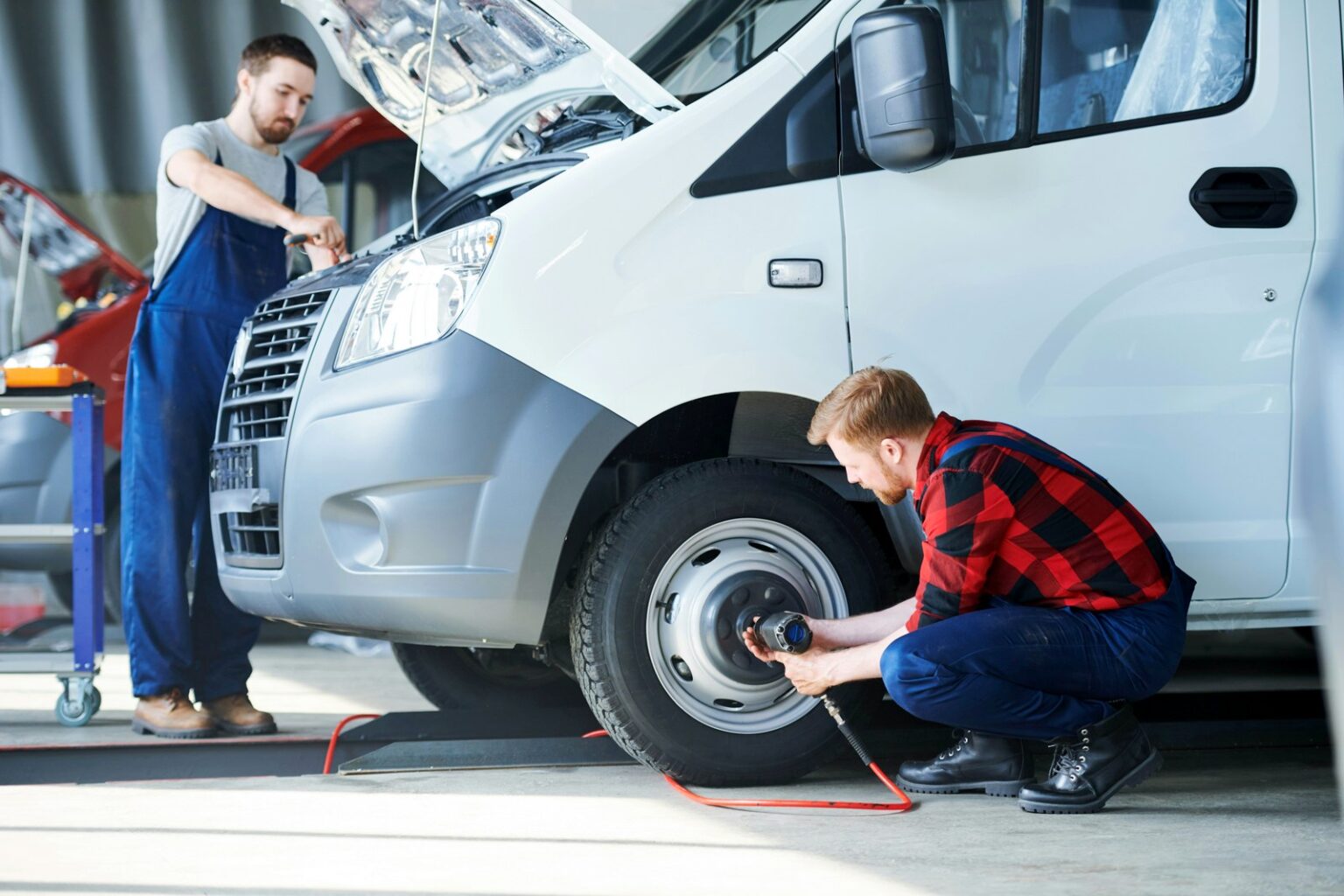
Learn how upfitting, particularly when done right with waste oil recovery tanks, can change the way your fleet operates.

To save expensive EV fleet equipment, operations must implement organized storage and transport procedures.
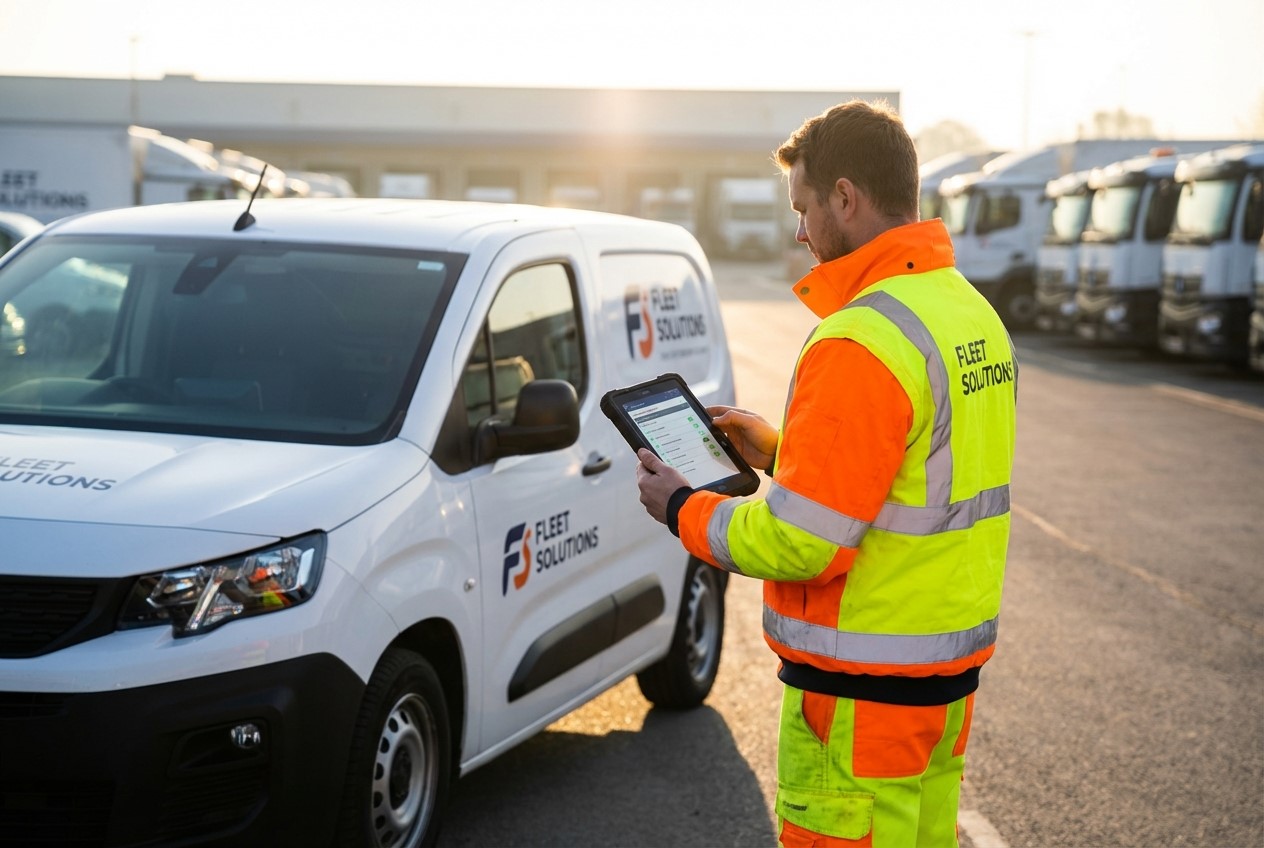
The four most effective tablet tricks for effortless service fleets include implementing digital vehicle inspections, providing real-time dispatch visibility, enabling on-site payment collection and transitioning to paperless service documentation to improve overall service fleet efficiency.

Mastering urgent deliveries requires utilizing dedicated vehicles and leveraging flexible routing to support modern operations.

Charging reliability frequently suffers when firmware updates or critical vendor alerts are missed, misdirected or spoofed.

While electrification dominates clean transportation conversations, real-world fleet managers must prioritize smart and budget-conscious upkeep of their existing equipment.