
This article may contain affiliate links.
Fuel costs are among the largest operating expenses for fleet managers and commercial vehicle operators. While many businesses focus on route planning and driver training to reduce costs, tire quality is often overlooked. However, the tires fitted to fleet vehicles play a direct role in fuel consumption, vehicle performance and long-term operating efficiency.
Understanding how tires affect fuel efficiency can help fleet operators make better purchasing and maintenance decisions that deliver measurable savings over time.
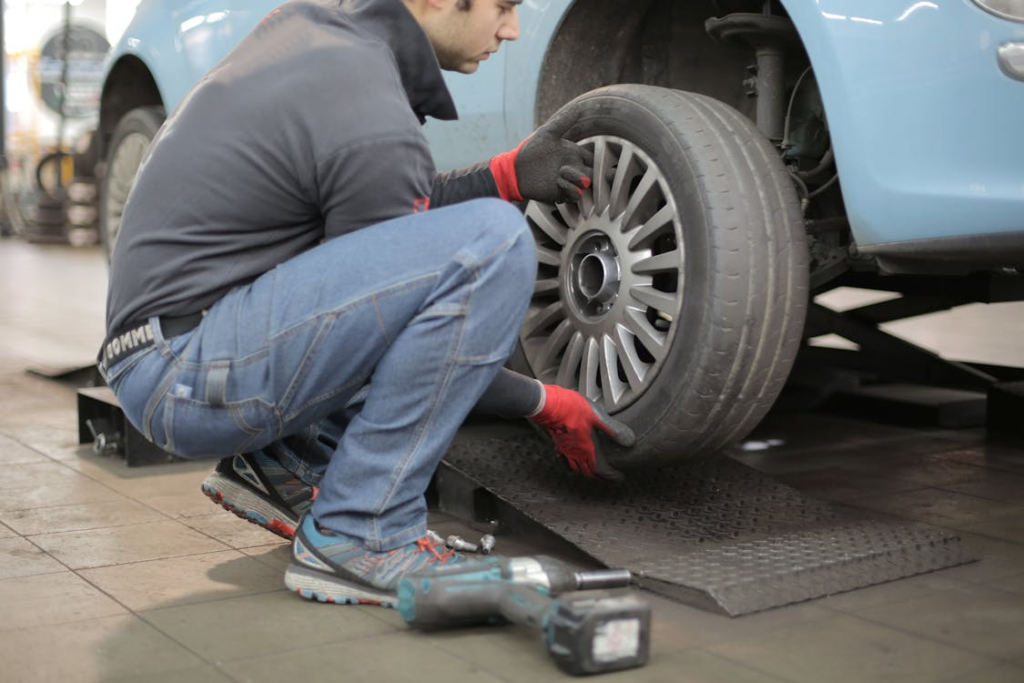
The Science Behind Rolling Resistance
As tires roll along the road surface, they create friction known as rolling resistance. The engine must work harder to overcome this resistance and keep the vehicle moving. Higher rolling resistance increases fuel consumption because more energy is required to maintain speed.
Quality tires are designed with advanced rubber compounds and tread patterns that help reduce rolling resistance. According to Michelin research, lower rolling resistance also reduces heat generation, which can place less strain on components such as brakes and wheel bearings.
Fleet operators can work with providers like O’Neills Tire & Autocare to select tires designed for low rolling resistance and commercial performance. Even a modest reduction in rolling resistance across a fleet of 20 or 30 vehicles can contribute to noticeable yearly fuel savings.
Tire Pressure and Its Role in Fuel Consumption
Tire pressure has a significant effect on fuel efficiency. Under-inflated tires create a larger contact area with the road, increasing rolling resistance and forcing the engine to use more fuel. Even tires that are only slightly below the recommended pressure can raise fuel consumption over time.
In larger fleets, these additional fuel costs accumulate quickly. Under-inflated or worn tires can also reduce handling performance and compromise vehicle safety.
Regular tire pressure checks and scheduled maintenance can help improve fuel efficiency while supporting safer driving conditions. Maintaining proper tire pressure remains one of the simplest and most cost-effective ways to reduce fleet fuel expenses without major operational changes.
How Driving Habits Affect Tire Efficiency
Even high-quality tires cannot perform efficiently if vehicles are driven aggressively. Harsh acceleration, sudden braking and excessive speeding all increase tire wear and fuel consumption. Over time, these habits reduce the fuel-saving benefits that quality tires are designed to provide.
Driver behavior also affects tire temperature and tread wear. Vehicles driven aggressively generate more heat, placing additional stress on tire structures and shortening tire lifespan. This can increase replacement costs and reduce overall fleet reliability.
Combining quality tires with driver training can improve fuel economy and extend tire life. Smoother acceleration and maintaining consistent speeds can deliver substantial savings when applied across an entire fleet.
Wheel Alignment and Its Impact on Efficiency
Wheel misalignment is another issue that can quietly increase fuel costs. When wheels are not properly aligned, vehicles experience additional drag, forcing the engine to work harder and increasing tire wear.
Correct wheel alignment helps vehicles travel more efficiently and reduces uneven tire wear, helping tires maintain their fuel-efficient performance for longer. Misalignment can also create steering vibration and contribute to driver fatigue, particularly during long-distance commercial driving.
Including alignment checks in routine fleet maintenance is a practical and relatively low-cost way to protect tire investments and improve fuel efficiency.
Choosing the Right Tire for Fleet Applications
Not all tires are designed for the same purpose, making tire selection an important consideration for fleet operators. Commercial fleet tires are typically engineered to balance durability, low rolling resistance, load capacity and tread longevity.
Higher-quality tires often reduce replacement frequency, improve fuel economy and support safer vehicle operation. Although premium tires may involve higher upfront costs, many fleet businesses recover these expenses through reduced fuel usage and fewer replacements over the tire’s lifespan.
Fleet managers should evaluate tires based on total cost of ownership rather than purchase price alone. Lower-cost tires that wear quickly or increase fuel consumption may ultimately cost more over time.
Tire Longevity and Fleet Operational Efficiency
Frequent tire replacements can interrupt fleet operations and reduce productivity. Every vehicle taken off the road for maintenance can affect scheduling, deliveries and overall operational efficiency.
Long-lasting commercial tires help minimize downtime and keep vehicles operating consistently. They can also reduce waste generation, supporting the sustainability goals that are becoming increasingly important across the transport and logistics sectors.
Commercial tire ranges designed specifically for fleet use can provide improved durability, fewer operational interruptions and stronger long-term efficiency outcomes. Selecting tires suited to commercial applications is both a practical and strategic business decision.
Building a Tire Management Program for Your Fleet
A proactive tire management program plays an important role in improving fleet fuel efficiency. Effective programs typically include regular pressure checks, tire rotations, wheel alignment inspections and replacing tires before they become unsafe or excessively worn.
Tracking fuel usage before and after tire upgrades can also help fleet operators measure the value of their investment. This data can support maintenance planning, budgeting decisions and long-term operational strategies.
Fleet managers who treat tires as a strategic asset rather than a routine expense are often better positioned to improve fuel efficiency and reduce operating costs. Well-maintained, high-quality tires remain one of the most practical long-term investments for commercial fleet performance.
