
This article may contain affiliate links.
Fourteen electric vans that had been running delivery routes out of Green Bay since October started coming back to the depot in January with five percent charge on legs that should have left 30 percent in the battery. The telematics platform had been pulling the manufacturer’s rated range since the vans went into service, a figure that assumes mild weather and an empty cargo bay, and that number hadn’t adjusted when temperatures dropped below minus ten. The dispatch screen kept showing healthy margins on every route while drivers were calling in from gas station parking lots 20 miles short of the depot.
The gap between what the platform said and what was actually happening in the vans got worse every week through February. The dispatcher showed me a spreadsheet he’d been maintaining on his own since late January, overnight lows in one column, end-of-shift charge levels in the other, because nothing in the telematics package offered anything comparable.
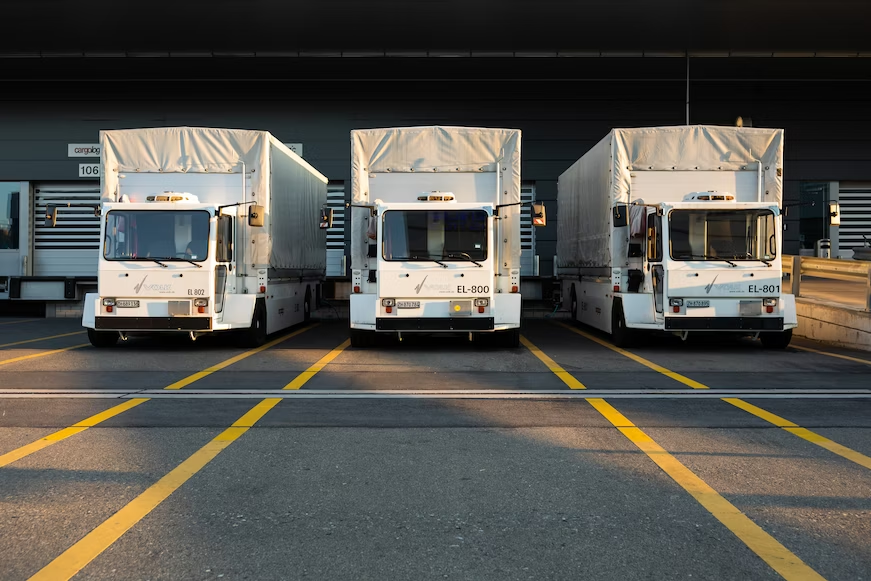
A winter study covering the 2025 to 2026 season tracked over 30,000 EVs across the U.S. and found average range retention of 78 percent at freezing, though commercial vans with full loads and high frontal area came in well below that number. DC fast charging frequency went up 40 percent in cold climate fleets because drivers were stopping mid-route on trips that were supposed to run depot to depot without a break.
When I asked the Green Bay dispatcher whether his vendor had a temperature adjustment on the development roadmap, he said he’d heard Q3 mentioned once, but that nobody had followed up since. He wasn’t planning his routes around it.
A Legacy Issue
Most of the telmatics platforms sitting in the mid-market right now were built for a fleet world that doesn’t exist anymore. Fleet management platforms at this price point were specced for diesel 10 years ago, and most of them still run the same routing engine underneath, which is fine for tracking mileage and scheduling oil changes, but useless for monitoring state of charge or adjusting dispatch based on a forecast.
I sat in on a walkthrough with an operator outside Columbus last month who had two platforms open on the same screen because nothing he could find on the market integrated hidden GPS and driver logs with charge data and energy cost reporting in one place. His depot chargers cost $140,000, and the electrical panel work was another $18,000. Every Friday, he pulls a report from each system and lines them up manually because that is the only way he can get a full picture of what his fleet actually did that week.
The operator told me he expected one of the platforms to absorb the other’s feature set within 18 months, but he’d been told the same thing about diesel telematics integrations five years ago and was still running two screens every Friday afternoon. The vendors who get there first are going to take this market, and the ones still selling diesel-era routing engines with an EV badge stuck on the side are going to find out the hard way that fleet buyers have stopped grading on a curve.
