
This article may contain affiliate links.
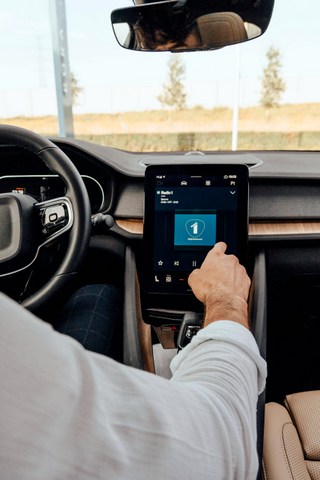
Electric vehicles made the dashboard feel like a tablet on wheels. Big screens arrived, buttons disappeared, and the cabin started to look cleaner than a hotel lobby after checkout. At first, that felt exciting. A glowing screen made an EV look advanced before the driver even moved.
Then people started using those cars in real traffic.
The problem is simple enough. A touchscreen works well when the car is parked, the road is calm or the driver has time to look down. Daily driving does not always give people that space. Rain starts suddenly. The windshield fogs. A passenger asks for less heat. A driver wants to lower the volume before a tricky junction. In those moments, a smooth piece of glass can feel less futuristic and more annoying.
This is why more EV buyers are asking for physical buttons, knobs, stalks and switches again. They are not asking carmakers to remove screens. They want the screen to stop swallowing every basic control.
The Button Backlash Is Really About Attention
Many modern EV cabins often put climate, music, seat heating, mirror settings, wipers, drive modes and vehicle menus behind one central display. That gives designers a clean dashboard and gives software teams more room to update features later. It also means the driver may need to tap through a menu for something that used to take one quick twist of a dial.
That difference sounds small until the car is moving.
A physical control gives the hand something to recognize. Drivers can learn where the volume knob sits. They can feel the fan-speed switch. They can reach for a wiper stalk without studying a menu. That tiny bit of muscle memory matters because driving already demands constant attention.
Students know this feeling from a differnt corner of life. When several deadlines, messages, lectures and errands pile up at once, even one extra step can feel irritating. It is the same reason students look for shortcuts in stressful weeks, from using better planning tools to getting academic support through options like to pay someone to do my homework when when their schedule becomes too heavy to manage.
The common thread is not laziness. It is cognitive load. When too many small tasks compete for attention, people want the important ones to feel simple.
Safety Groups Are Pushing the Issue
The button debate is no longer only a matter of taste. Safety organizations are taking it seriously because interior controls affect how long a driver looks away from the road.
The European Transport Safety Council reported that Euro NCAP’s 2026 test updates will encourage separate physical controls for core functions, including indicators, hazard lights, wipers, the horn and SOS features. The goal is to reduce eyes-off-road time for actions that may need to happen quickly. The European Transport Safety Council summary of the Euro NCAP change explains the shift as a safety measure rather than a style preference.
Research on infotainment systems points in the same direction. The AAA Foundation studied common in-car tasks such as placing calls, tuning audio and programming navigation in 2017 model-year vehicles, then assessed the visual and cognitive demand placed on drivers. AAA’s research on in-vehicle information systems found that many systems created high demand during tasks drivers often perform on the road.
None of this means every touchscreen interaction is dangerous. Navigation, charging maps, camera feeds and EV energy data often belong on a display. The concern is narrower. When urgent or frequently used controls require too much looking, tapping or menu-hunting, the design starts working against the driver.
Why Carmakers Loved Touchscreens So Much
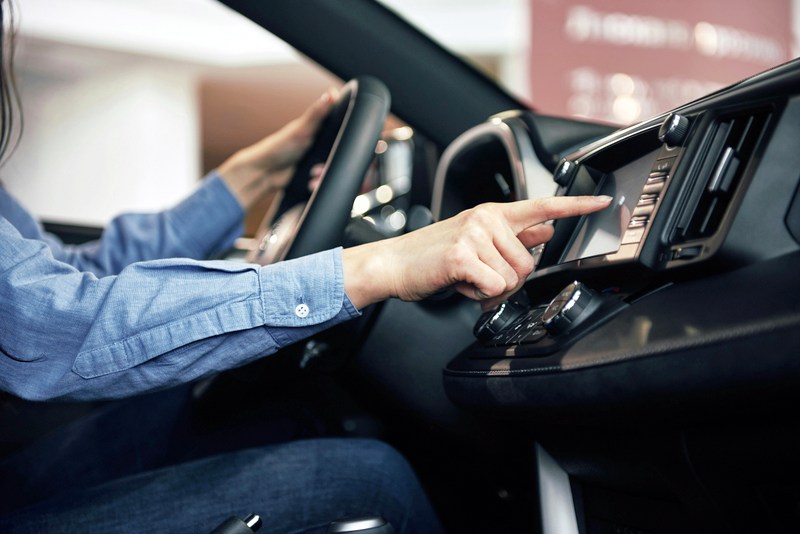
Touchscreens did not take over by accident. They solved several problems for carmakers.
Screens also help manufacturers create a shared interior system across several models. A company can build one interface style, spread it across a lineup, and tweak the software for each vehicle. Fewer separate parts can also simplify production. A neat dashboard photographs well too, which matters more than most brands would admit out loud.
There is another reason: identity. Early EVs needed to feel different from gas cars. A huge central display made that difference obvious. It told buyers they were stepping into something digital and new. The cabin became part of the sales pitch.
The trouble arrived when minimalism drifted into inconvenience. A clean dashboard loses its charm when the driver has to poke through a screen to clear fogged glass.
The Brands Already Moving Back Toward Buttons

Volkswagen has become one of the clearest examples of the shift. The company faced criticism for haptic sliders and touch-heavy interiors in several models. Recent reporting on Volkswagen’s future cabins says the brand is bringing back physical controls, including simpler screens and more traditional switches in upcoming models. Motor Trend reported in April 2026 that Volkswagen’s next-generation interiors are expected to feature real buttons along with improved materials.
The change is visible in the new ID.Polo coverage as well. Car and Driver reported that the ID.Polo includes a 13-inch central touchscreen and a 10-inch digital cluster, yet also uses physical climate controls. That mix matters because it shows the direction many buyers seem to prefer: digital information with real controls for everyday actions.
Hyundai has made a similar point through its design leadership. The Verge reported in November 2024 that Hyundai moved back toward buttons after focus group feedback showed drivers became frustrated when they needed to control something quickly and could not do it easily through the screen.
That does not make every brand identical. Some automakers still believe better software, voice control and driver-assistance systems will reduce the need for physical controls over time. That may happen for certain features. For now, real roads still include potholes, glare, gloves, rain and a surprising number of moments where voice control misunderstands a perfectly normal sentence.
Touchscreens Are Staying, Just With Better Boundaries
The button comeback does not mean EV interiors are turning backward. Screens are too useful to disappear. They help drivers understand range, charging stops, route efficiency, camera views, media and system updates. EV ownership would feel worse without a strong digital interface.
The better question is where the screen stops.
A well-designed EV interior should let the driver handle urgent actions by touch and use the screen for richer information. That split feels natural. A charging map needs detail. A defroster button needs no drama. If a driver has to open a menu to solve an immediate problem, the cabin has probably been designed for the photo shoot before the commute.
| Design Approach | Strength | Weakness |
| Screen-Heavy Cabin | Clean look and flexible software | Can demand too much visual attention |
| Button-Heavy Cabin | Easy muscle memory | Can feel cluttered if poorly arranged |
| Mixed Cabin | Balances information and fast control | Requires careful layout decisions |
| Voice-First Cabin | Helpful for certain commands | Can fail in noise or with unclear phrasing |
The mixed cabin is where the industry appears to be heading. Drivers get modern displays without losing the controls that make a car feel predictable.
The Future EV Interior Will Feel Less Extreme
The early EV interior had a bit of showroom confidence. Big screen, few buttons, quiet cabin—done. Real ownership has made the picture more mature. People still like technology. They also like knowing where the fan switch is without starting a treasure hunt.
Carmakers are responding because buyers, reviewers and safety groups are all pointing toward the same lesson. Screens are valuable when they show complex information. Physical controls are valuable when the driver needs speed and certainty.
The future dashboard will still glow, update, and calculate. It will also give drivers a few solid things to press, which, honestly, feels like progress.
