
This article may contain affiliate links.
Electric trucks are showing up in more fleet yards every quarter. Regional haulers are running them on fixed routes. Drayage operators are testing them at ports. Some carriers are even using them for local hazmat deliveries, where the vehicle returns to base every night.
But the question that keeps coming up in planning meetings is harder. Can a battery-electric truck actually work in hazmat shipping services on a long-haul lane, crossing state lines, meeting tight delivery windows and staying compliant the whole way?
Hazmat work is where that promise meets its toughest test, because hazmat shipping services run on strict delivery windows, heavy payloads and approved routes where a charging stop can’t simply be improvised.
Why Hazmat Is a Different Animal
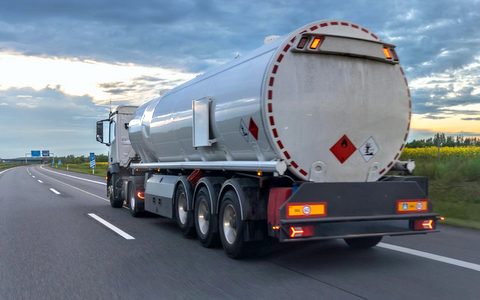
Hauling dangerous goods is not like moving pallets of paper towels. The rules in hazmat shipping services touch every part of the operation. Drivers need endorsements. Vehicles need specific placards and sometimes specialized equipment. Routes are often dictated by state and federal rules that keep certain loads away from tunnels, bridges, and dense population centers.
That leaves very little room for improvisation. A diesel truck can pull into almost any truck stop and refuel in 15 minutes. An electric truck needs a high-powered charger, and those are not sitting on most hazmat-approved routes today.
The Weight Problem
Batteries are heavy. A long-haul electric tractor can carry thousands of pounds of battery pack that a diesel tractor does not. That weight eats into payload capacity. For hazmat loads, which are often dense and heavy by nature, losing payload can mean splitting a shipment or leaving product behind.
Heavy, tightly regulated loads are where today’s battery technology meets its hardest test, and the economics reflect that: the North American Council for Freight Efficiency’s Messy Middle cost analysis projects diesel will remain the cheapest long-haul option through 2028, while positioning hydrogen fuel-cell trucks as a niche fit for heavy lanes where payload and fast refueling can’t be compromised.
Charging Where You Are Not Allowed To Stop
Hazmat routing rules often keep trucks away from certain areas. That means the charging station you need may sit on a road you cannot legally use with that load. Building chargers on approved hazmat corridors is possible, but it is not happening at scale yet.
Some fleets have found workarounds. Depot charging works when the truck returns home every night. Short regional runs work when the route is predictable. But long-haul hazmat means days on the road, and that requires public charging that meets both power and safety requirements.
Hazmat shipping services: What Is Actually Working Today
Electric hazmat trucks are on the road in limited numbers. Manufacturers offer ADR-compliant electric models with emergency shut-off systems and speed limiters. Chemical logistics companies in Europe have tested electric trucks on real hazmat routes to gather data.
Those tests show promise for short and regional work. They also show that long-haul hazmat remains a stretch. The trucks can do the job physically. The infrastructure and regulatory framework are still catching up.
The Bottom Line
Electric trucks will play a role in hazmat transportation. That role will start small, on routes where charging is available and payload demands are manageable. Long-haul hazmat lanes will likely stay diesel for now, with hydrogen and other options waiting in the wings.
Carriers planning fleet changes should look at each lane individually. Some will be ready for electric sooner than others. The ones that are not ready will tell you why pretty quickly.
