
This article may contain affiliate links.
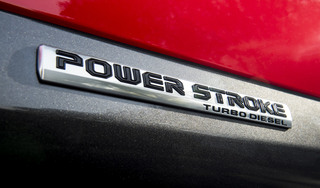
The Ford 6.7L Power Stroke® diesel platform is known as a beast and has been known to produce some serious horsepower and torque, making Super Duty® trucks a beast for hauling heavy loads and working in tough situations. Under certain duty cycles—short trips, heavy idling and frequent regen cycles—the factory emissions system can develop DPF clogging, EGR carbon buildup and DEF crystallization, which lead to significant loss of power, poor fuel economy and unexpected limp modes that can leave a driver in a dead spot.
Some owners and fleet operators therefore choose to remove the emissions hardware. This guide covers the essential hardware changes and the matching software calibration for those considering this transformation. It is intended for off-road, race or other lawful use only. Removing emissions equipment from a road vehicle is illegal and can result in fines, lawsuits, business asset seizures or liens. It can also void warranties and affect insurance claims.
Essential Hardware Components for a 6.7L Power Stroke® Delete
DPF/DEF Delete Pipe System
Once the factory system is confirmed unrepairable or a replacement is decided on, the first step in a complete Diesel Particulate Filter (DPF) and Selective Catalytic Reduction (SCR) canister replacement is to replace the factory system with a straight-through pipe system. Material selection is very important; mandrel-bent tubing in high-durability T304 or T409 stainless steel ensures the flow of exhaust gases at the highest level even under extreme exhaust gas temperatures.
T304 offers better heat and corrosion resistance for long-term heavy-duty use, while T409 is a lower-cost option with somewhat lower heat resistance. Fitment choices include OE-style bracket mounting, flange precision, and full turbo-back exhaust systems as well as mid-pipe delete parts; these are two distinct approaches, full-system replacement versus mid-pipe replacement and should be selected according to the condition of the factory system and the intended use.
All are designed for a leak-free installation in proper alignment. After the straight-through pipe is installed, the factory DPF differential-pressure and temperature sensors, along with the DEF-related signals, must be addressed in the software layer, as described in the tuning section below.
EGR Delete & Pass-Through Bypass Kit
EGR deletion follows one of two approaches: full block-off or coolant pass-through. Block-off plates prevent hot, carbon-laden exhaust gases from recirculating into the aluminum intake manifold, but the coolant circuit must then be rerouted; pass-through bypass kits keep coolant circulating while blocking exhaust flow.
Precision CNC-machined 6061-T6 billet aluminum block-off plates, stainless steel coolant reroute hoses and high-temp Viton O-rings for leak-free sealing under big boost are the quality hardware in either case. Long-term heavy-load or high-temperature use favors block-off with coolant reroute, while a pass-through bypass is chosen when part of the factory plumbing is to be retained.
When sourcing components, confirm flange flatness, the temperature rating of the Viton seals, and T304 stainless steel construction. Because rerouting changes coolant flow and pressure in the circuit, pressure-check the coolant lines after installation, as noted in the post-installation verification below.
EGR Throttle Valve Plate & Sensor Block-Offs
Sensor management is part of the delete hardware, not merely a finishing step. Temperature and pressure sensor plugs and block-off fittings keep factory harness connectors electrically clean for years of trouble-free service by keeping out dirt and moisture, but their more important function is to prevent open-circuit or out-of-range signals that would trigger DTCs and derate the engine.
Because the number of sensors and pin definitions differ by model year on the 6.7L Power Stroke®, verify the parts of 6.7L Power Stroke delete kits against the vehicle’s year before ordering.
The Role of Engine Management & Electronic Calibration
Hardware deletion changes the intake, exhaust and coolant circuits, so the ECM’s original torque model, fueling and turbo control logic no longer match the vehicle. A custom calibration is therefore required to re-map these functions. The next section explains why and which tuning formats are available.
Why Hardware Modifications Require Custom ECM Flashing
Removing or blocking off hardware sensors raises immediate diagnostic trouble codes and engine derate mode, and the problem cannot be solved by clearing codes alone. Custom calibration prevents limp mode by adjusting fueling, timing and turbo vane geometry to optimize the open-flow exhaust configuration, and by simulating or masking the affected sensor signals so that unexpected derates do not occur.
This optimization not only keeps the engine safe, but also maximizes its efficiency. Because ECM strategies differ by model year and calibration (CAL) number, the tune file must match the vehicle’s ECM.
Tuning Formats & Feature Capabilities
Tuning is delivered in two forms: pre-loaded handheld flash devices and custom tune files. The handheld device is the delivery medium, while the tune file is the content; custom files provide multiple power levels, from daily tow to performance street tunes.
Key features to look for when searching for a 6.7L Power Stroke tuner solution include on-the-fly switching between tune levels, automatic transmission recalibration for Ford 6R140/10R140 units (shift pressure and lockup strategy), and real-time monitoring of engine oil temperature, boost pressure, and EGT.
If the ECM is not recalibrated, the hardware changes will cause the check engine light to come on and Limp Mode to engage, so a dedicated ECM flash is required for optimum performance and thermal stability.

Step-by-Step Installation Planning & Required Tools
Preparation determines success. Before starting, collect heavy-duty jack stands, a metric socket set, penetrant spray to remove rust from exhaust bolts, torque wrenches, fresh engine coolant, a diagnostic scanner or flash device, a coolant drain pan and the torque specification sheet.
Sequencing rules are important and must be followed. The usual order is: exhaust removal, straight-pipe installation, EGR block-off or bypass, coolant rerouting, sensor connector sealing, coolant pressure check, ECM flashing, then road test and EGT verification.
Some tuners require the ECM to be flashed before mechanical work to avoid electronic lockouts; if so, follow the supplier’s instructions and use the scanner to clear temporary DTCs afterward. Pressure checking of coolant lines, checking of exhaust gas temperatures, and diagnostic readiness are part of the post-installation verification.
Maintenance & Long-Term Reliability Considerations
Simple inspections are important. Re-torque the billet plate bolts to specification after the first 500 miles, then check them every 10,000–20,000 miles, and inspect the Viton O-rings at regular intervals; replace any that are hardened, cracked, flattened, or leaking. Keep synthetic oil changes, fuel filter changes and cooling system maintenance programs current.
Because deletion lowers exhaust backpressure but can raise EGT, monitor real-time exhaust temperatures closely when towing heavy loads, relying on the tune’s EGT protection to safeguard long-term turbocharger and head gasket reliability.
Long-term ownership also involves compliance and resale considerations: removing emissions equipment from a road vehicle is illegal and may affect inspection or resale.
Conclusion
Used lawfully and paired with a properly matched custom ECM tune, this setup of stainless and billet delete hardware can improve exhaust flow and reduce the risk of derates caused by factory emissions-system faults; its performance and longevity depend on tune quality, installation workmanship, EGT management and regular maintenance.
Properly positioning parts, using top-quality hardware and planning the installation carefully all contribute to reliability. As noted at the outset, removing emissions equipment from a road vehicle is illegal; this article is a technical checklist only, and emissions regulations for the vehicle’s use should be confirmed before any work begins.
