Clean Vehicles

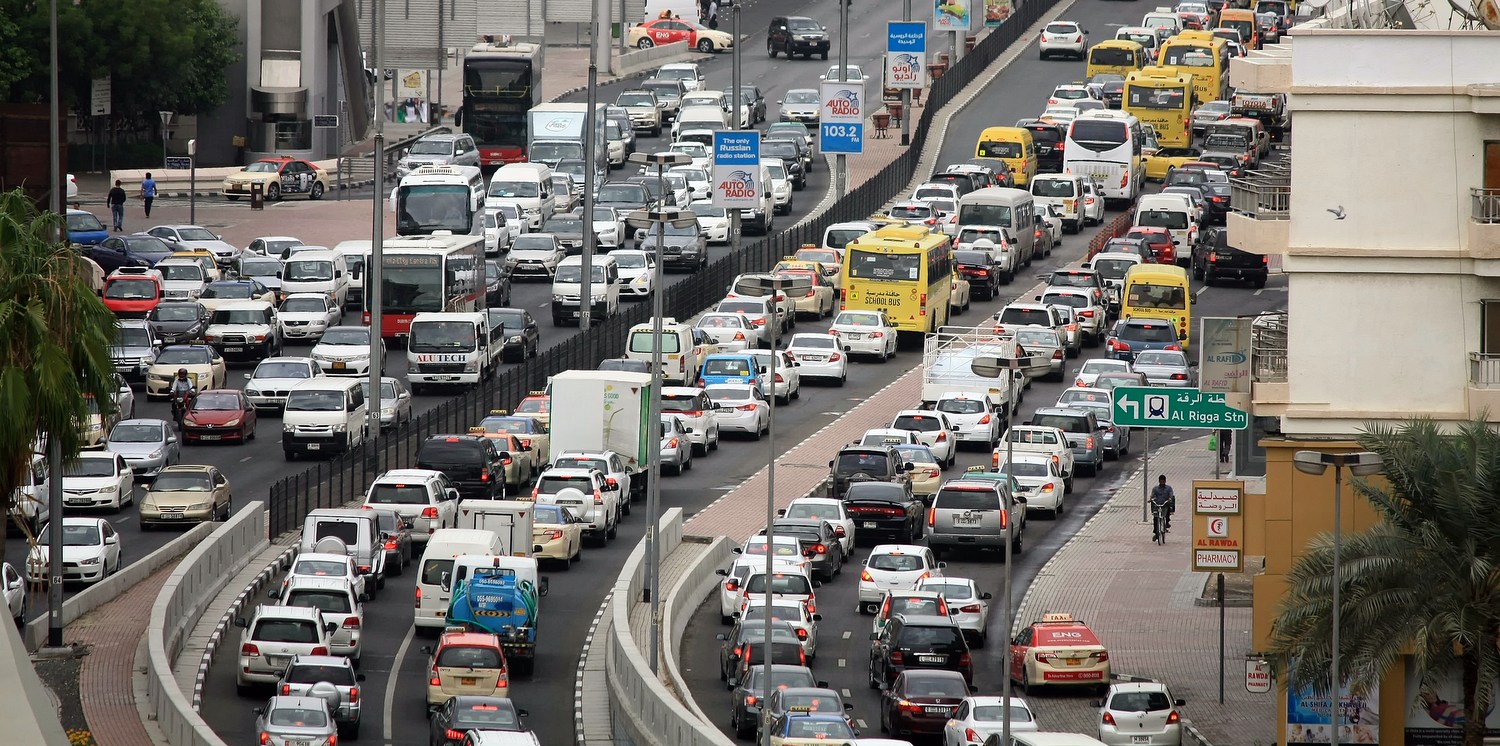
Traffic Congestion

Top 10 Worst Traffic Cities; They Need Congestion-Pricing/Zero Emission Travel

Vehicle congestion in the 10 large cities in the U.S. is costing drivers and the economy money and increasing greenhouse gas emissions. It doesn’t look much better in medium size cities and predictions are it won’t get any better as the economy improves. In Top 10 most congested cities it is likely that plug-in vehicles will get special privileges and access to reduce CO2 while other vehicles are charged.

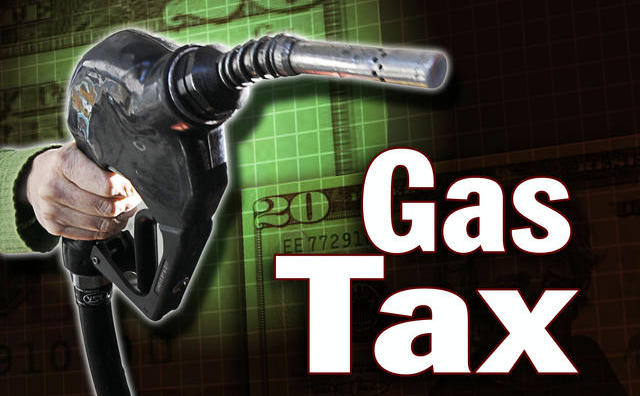
Gas tax

Better MPG Would Come Via Gas Tax, Not Fuel Economy Standards, MIT Study Says

The best way to get more MPG out of cars is to tax fuel, according to researchers at the Massachusetts Institute of Technology. They published a study in the journal Energy Economics (Volume 36, March 2013, Pages 322–333) that showed that fuel economy standards (such as the ones now in force in the U.S. ) cost at least six times as much (and up to 14 times as much) to reduce gasoline use as would a tax on the fuel. They added that a fuel economy standard is an expensive mechanism to reduce greenhouse gas emissions (GHG) and raises the cost of a cap-and-trade policy, such as the one just starting in California.

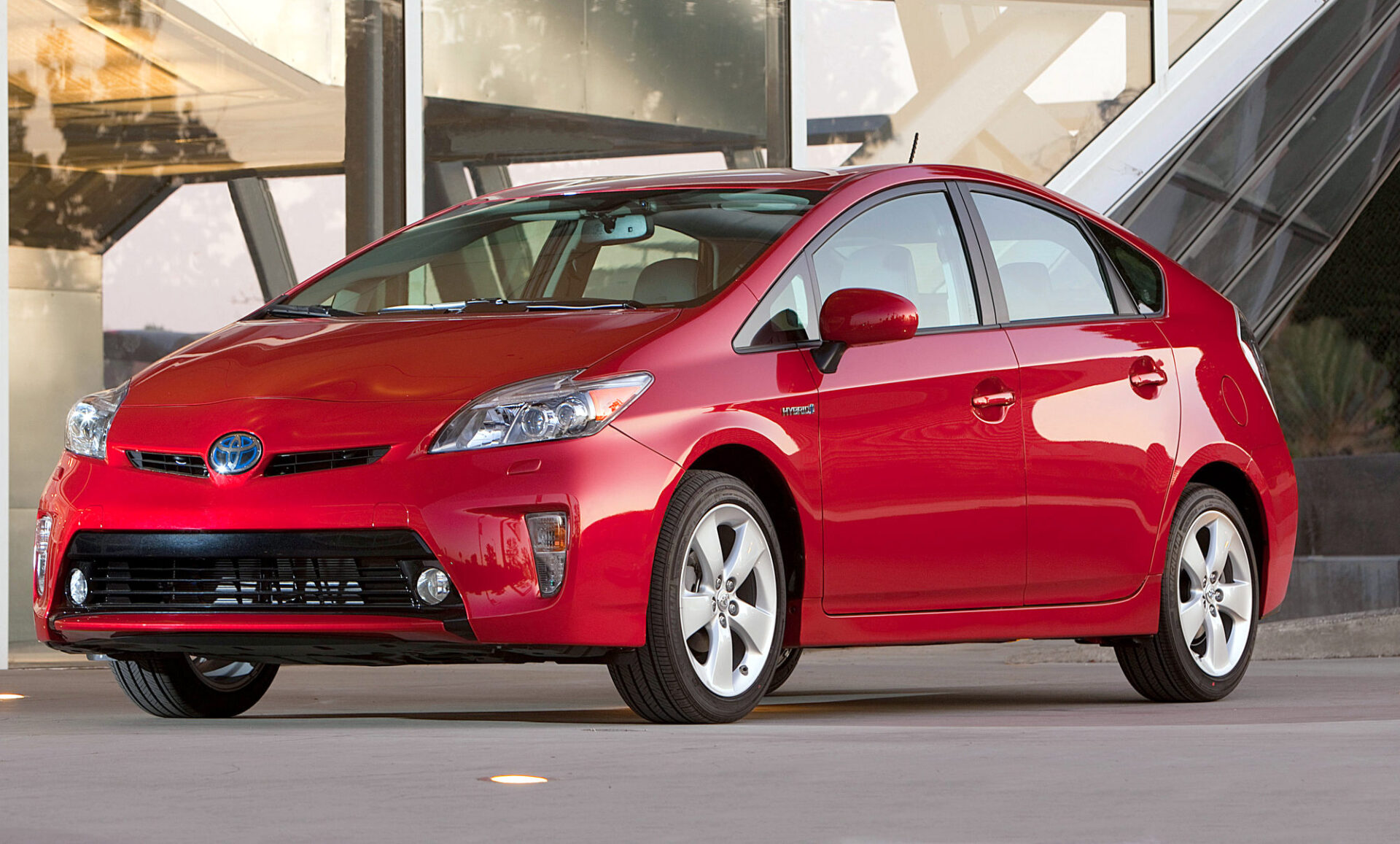
Toyota Prius Hybrid

Top 10 Best-Selling High-MPG Cars in January 2013

High mileage hybrids, plug-ins and diesels like the Toyota Prius, Chevy Volt and Passat TDI, had a good month to begin the year, bettering the high bar set by the overall market. Hybrids pushed past 3 percent of the total market.

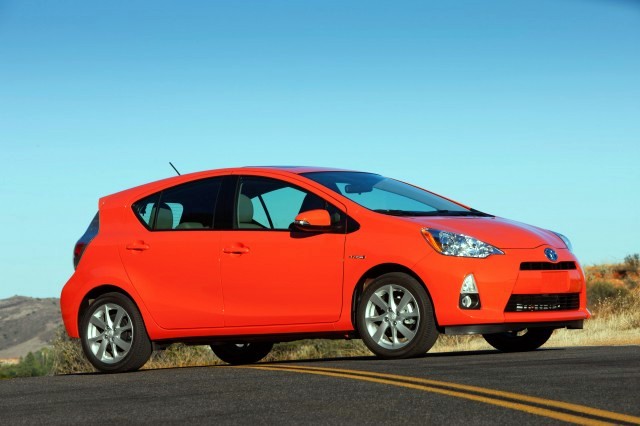
2012 Toyota Prius C

50 New Cars at LA Auto Show include Hybrid Cars and SUVs

The 2012 Los Angeles Auto Show gives a world debut to 50 vehicles for 2013 from Ford, Toyota, Honda, Hyundai, Kia, Nissan, Subaru, Chrysler, General Motors, BMW, Fiat, Jaguar, Mercedes-Benz, Porsche and Volkswagen. If I could select two cars for Green Car of the Year, they would be the Toyota Prius c and the Ford C-MAX.

One Billion Vehicles on Global Roads by End of 2012

An estimated 691 million passenger cars were on the world’s roads in 2011. When both light- and heavy-duty trucks are included, the number rises to 979 million vehicles, which was 30 million more than just a year earlier. By the end of 2012, the global fleet could top 1 billion vehicles—-one for every seven people on the planet.

Ford Lowers Emissions in New Electric Cars and in Running the Company

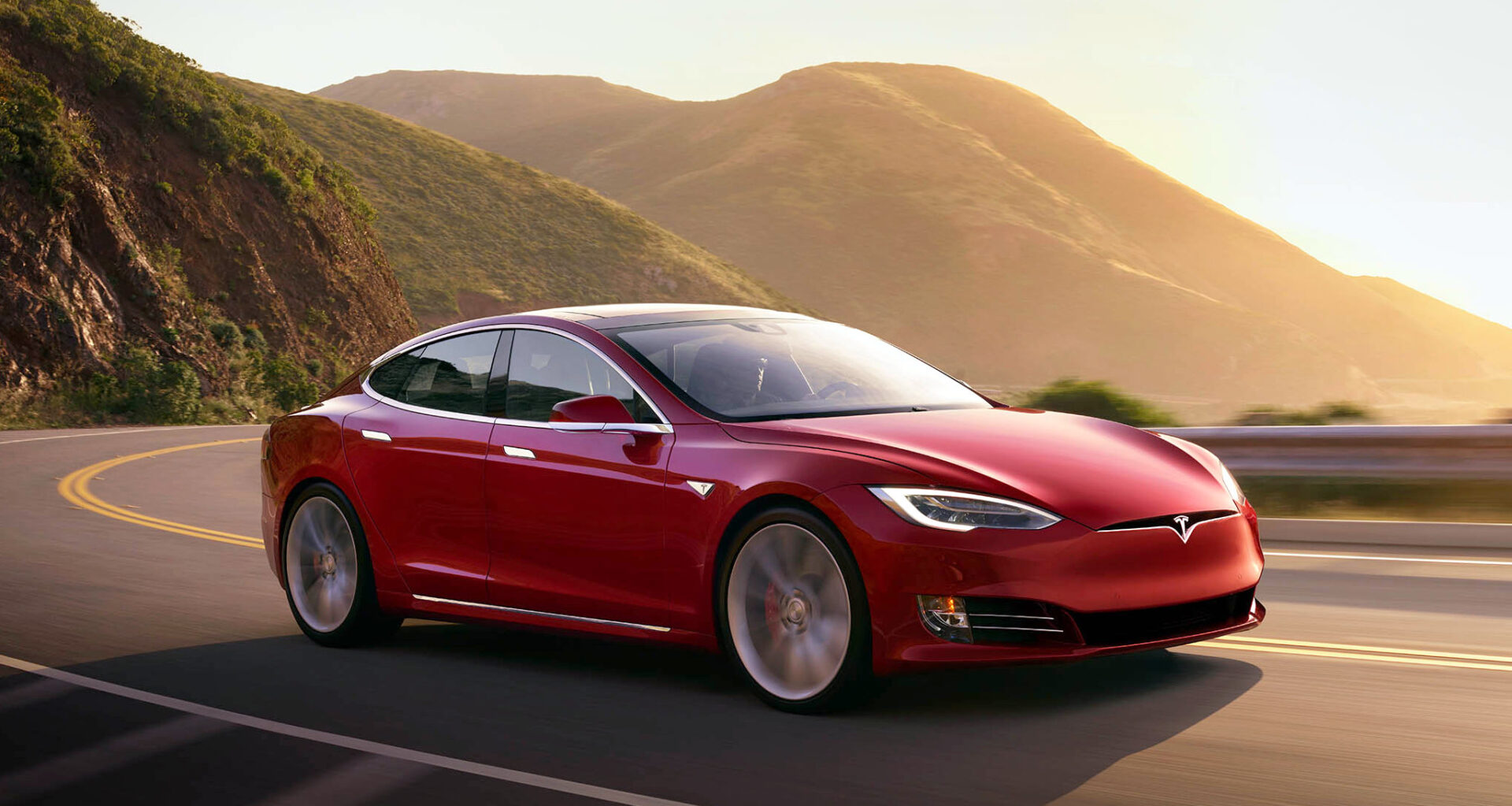
For a typical American car being driven 15,000 miles annually, 8 tons of CO2 emissions result. The number is higher if emissions from making the car are added. Some of Ford’s most exciting new electric and hybrid cars will be a fraction of typical emissions including the Ford Focus Electric, the Ford Transit Connect Electric, the Ford C-MAX Energi, the Ford C-MAX Hybrid, the Ford Fusion Energi and the Ford Fusion Hybrid. Ford is also the Ford only Automaker to receive Climate Leadership Award.

Electric Cars and Hybrid Cars to be helped by 54 MPG CAFE

President Obama announced a historic agreement with thirteen major automakers to increasing fuel economy to 54.5 miles per gallon for cars and light-duty trucks by Model Year 2025. This will save U.S. drivers $1.7 trillion in fuel costs with today’s oil prices of about $100 per barrel. If the price of oil is higher in 2025, consumers will save more. Forecasts of 10 million electric cars by 2020 in the U.S. look more likely. High volumes will lower the cost of lithium battery packs and electric motors, which are also used in hybrids. By 2013, at least one of these automakers will sell 100,000 electric cars and hybrids in one year – Toyota, GM, Nissan, and Ford.

Magical Solutions – Save Gas, Save The Planet Excerpt

We want to believe in magic but unfortunately, there is no one magical solution. Save Gas, Save the Planet captures over 120 different ways that people are making a difference by riding clean, riding together, and riding less. As you read Save Gas, Save the Planet, you will discover a number of ways to burn less fuel without needing a new car. When, and if, you are ready for a new car, you will make a better choice.

Transportation 2.0 – Save Gas, Save The Planet Excerpt

This excerpt from the book Save Gas, Save the Planet highlights the future of Transportation 2.0. During the next 20 years we will witness a major shift from vehicles that are mostly mechanical to vehicles that are primarily electronic. People share tips and stories about how they save by riding smart, riding less, riding together, and riding clean.