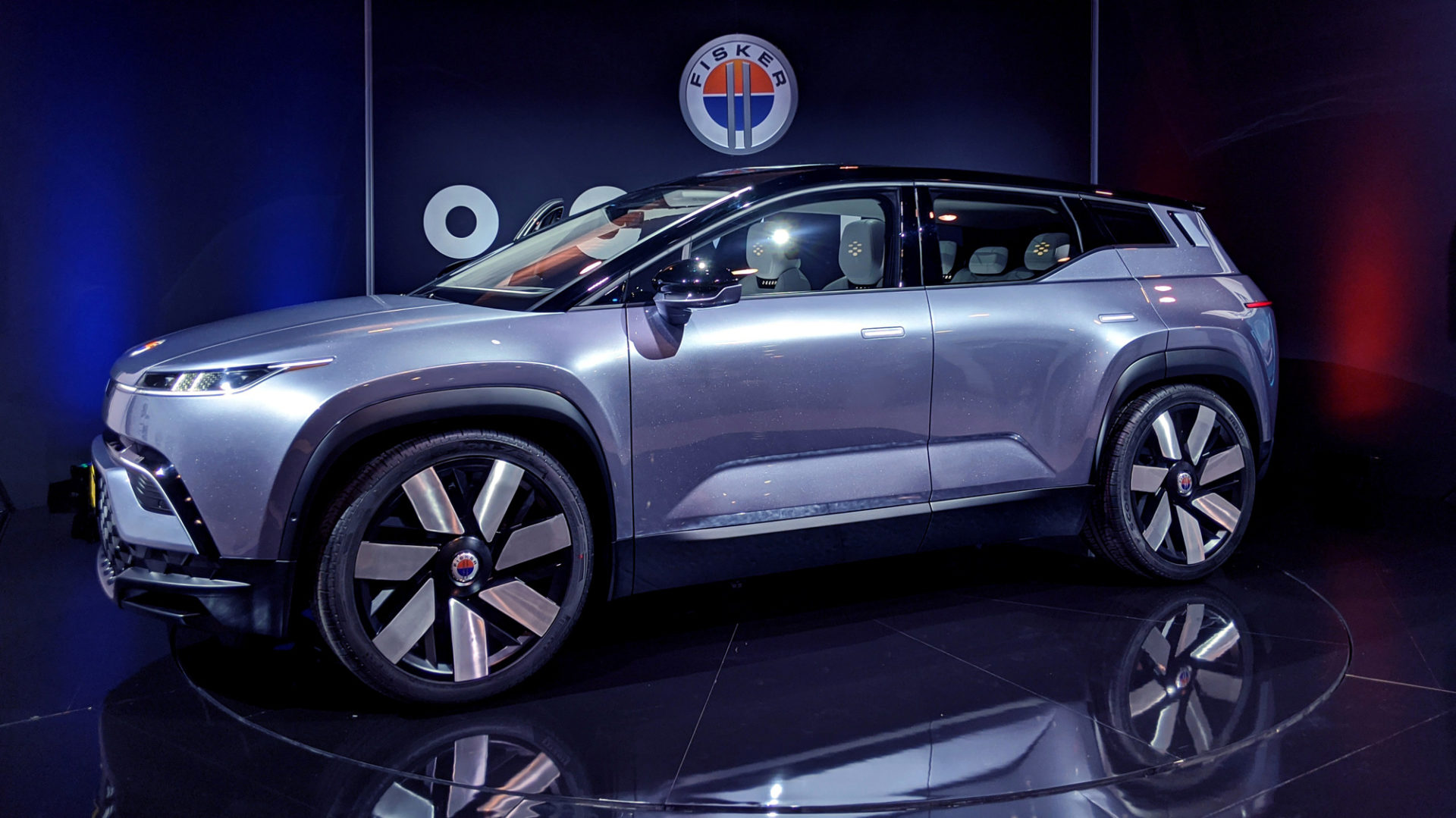
CES News: Fisker Ocean Electric SUV Debuts
Though many details are still sketchy, at CES Fisker showed a driving prototype of the Ocean compact luxury SUV, which he said will begin initial deliveries near the end of 2021 at $37,499.

Though many details are still sketchy, at CES Fisker showed a driving prototype of the Ocean compact luxury SUV, which he said will begin initial deliveries near the end of 2021 at $37,499.
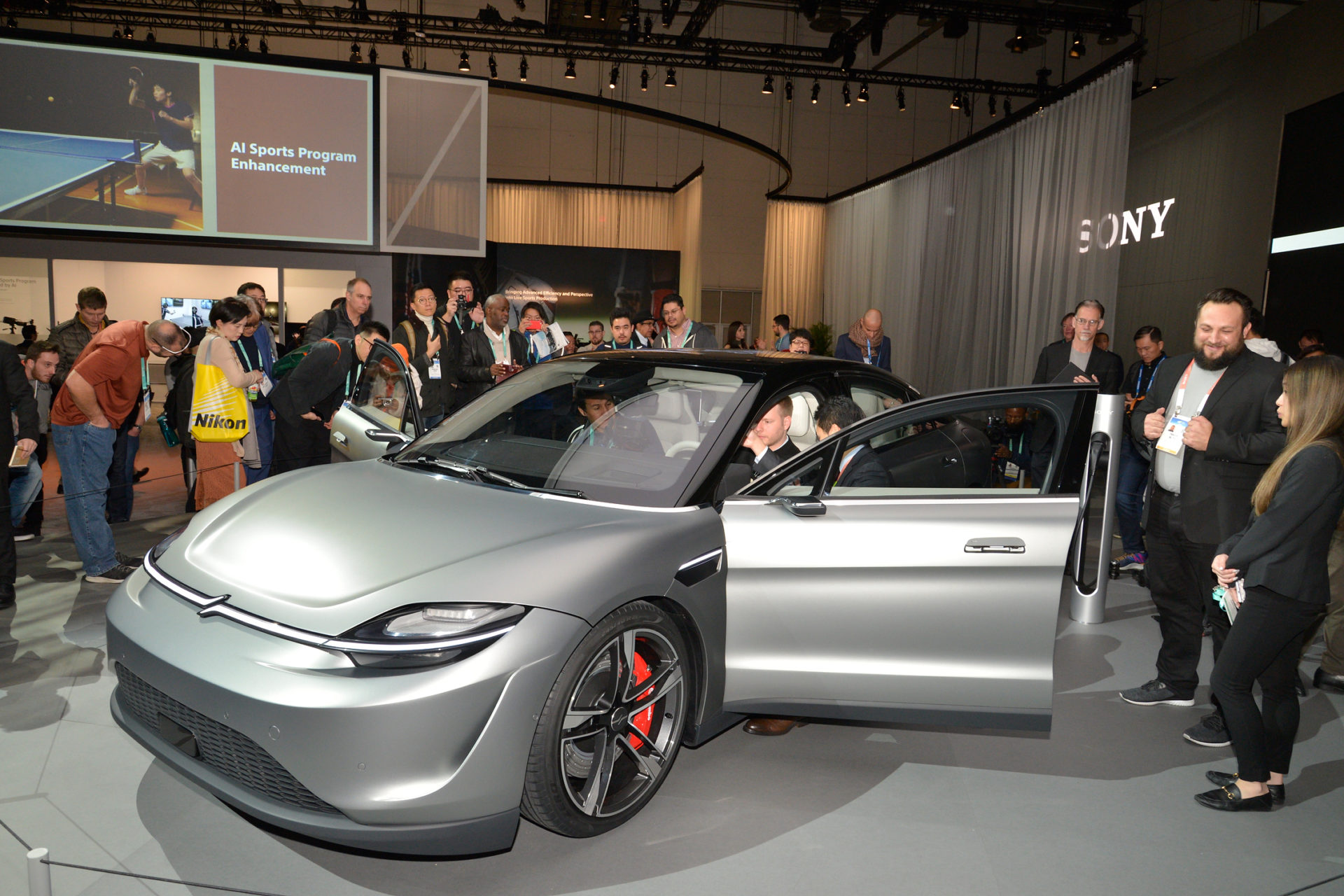
Sony, 27 minutes into its CES press conference, instead of showing the PlayStation 5, introduced the Vision-S, a driveable EV showcasing Sony technology.
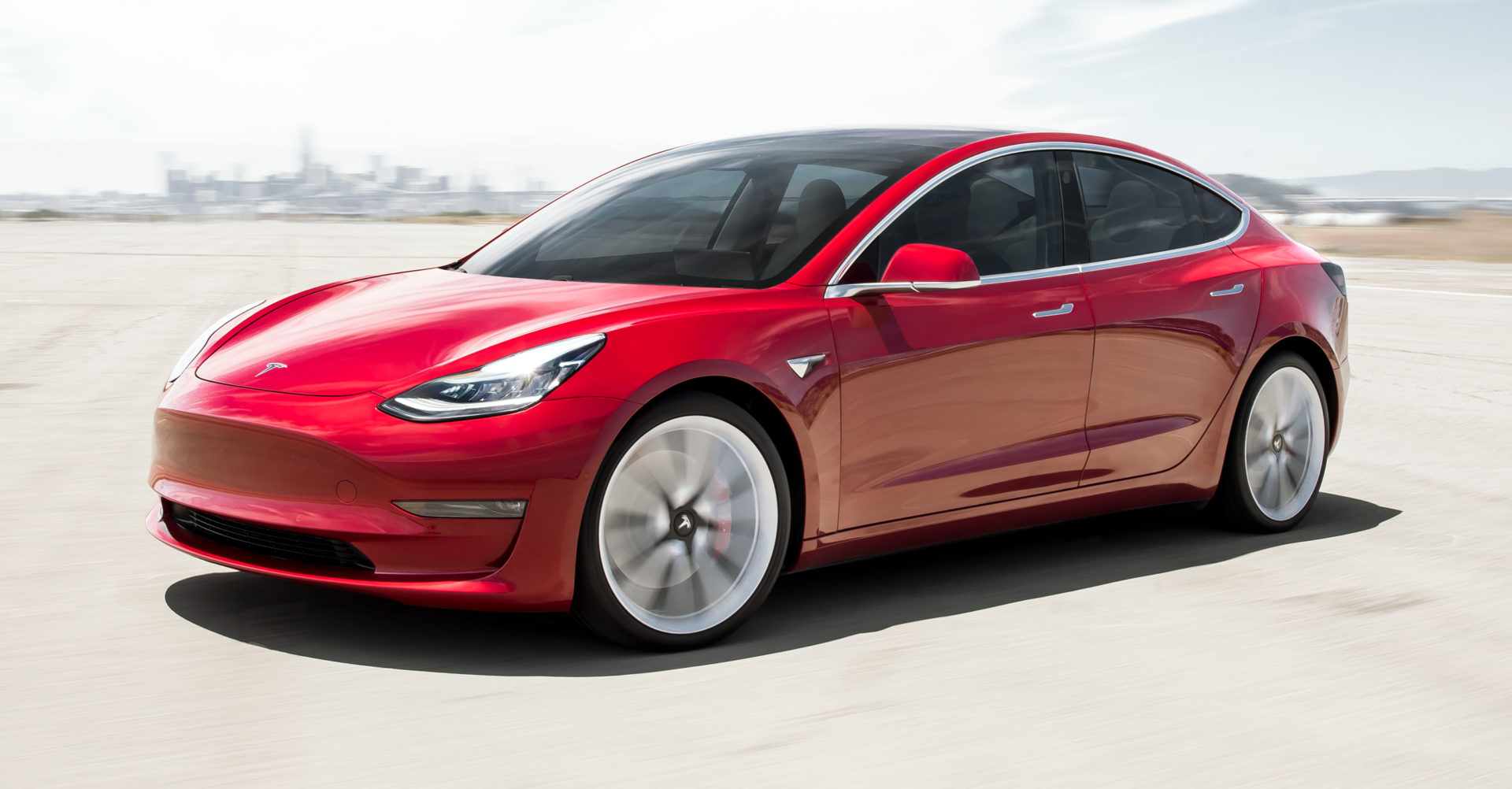
Tesla once again defied naysayers by hitting its projected sales numbers in a year where the company grew by 50 percent compared to 2018. The company hit several milestones, some good, some bad.
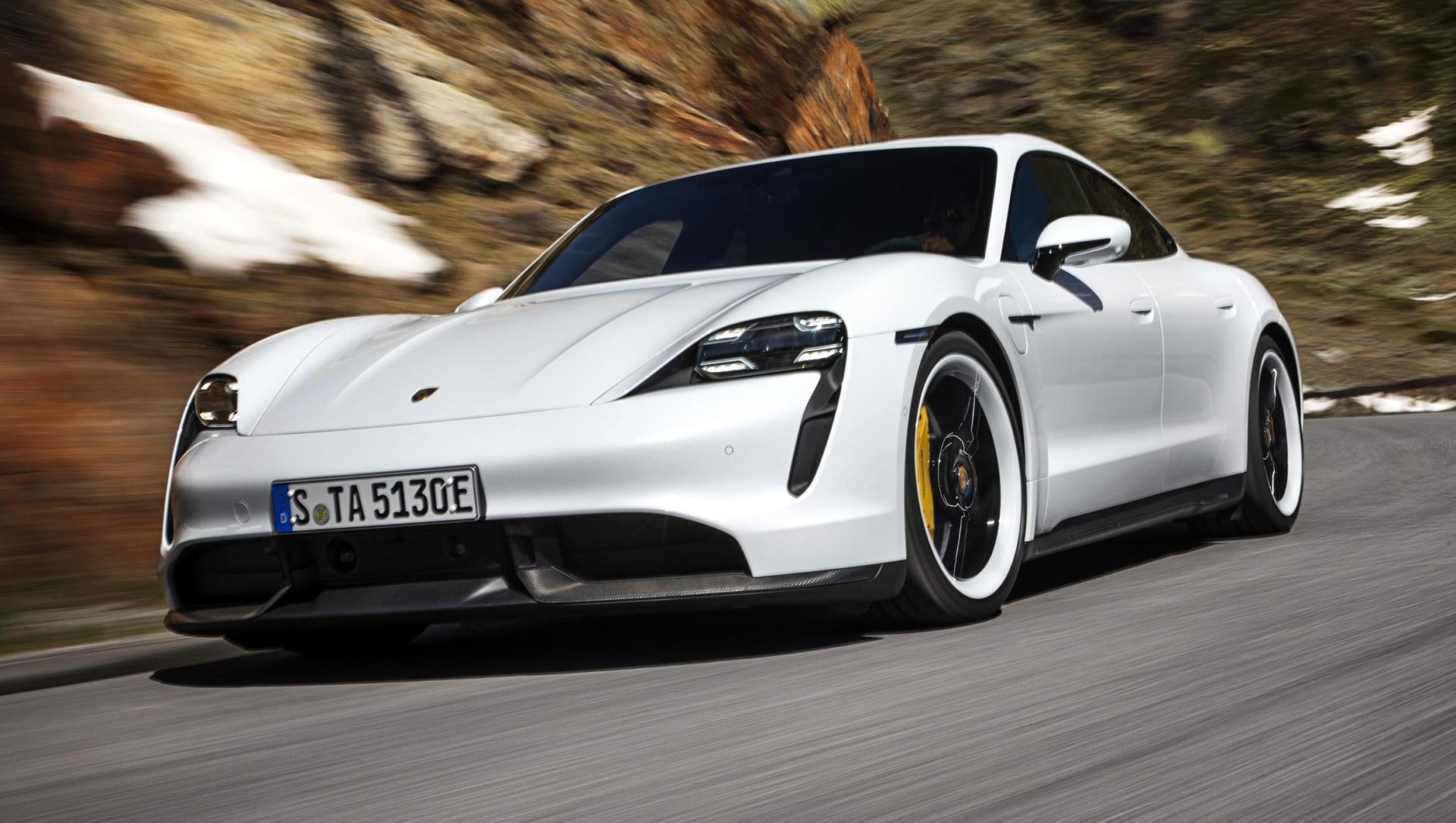
Batteries are where the discussion starts—and often ends–whenever the future of electric cars is the subject.
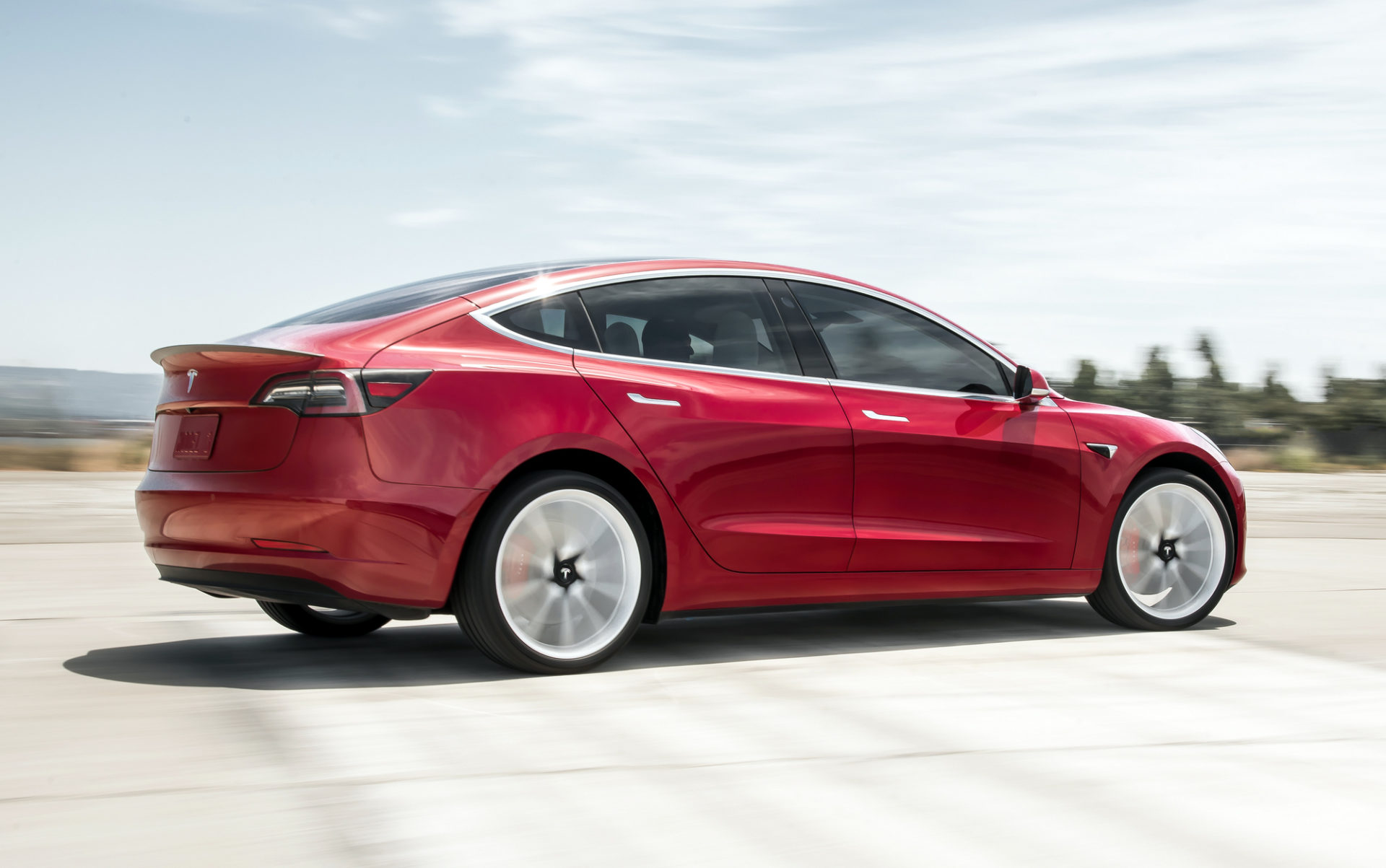
What began in 2019 and promises to accelerate in 2020 is company for Tesla’s current and future vehicles.
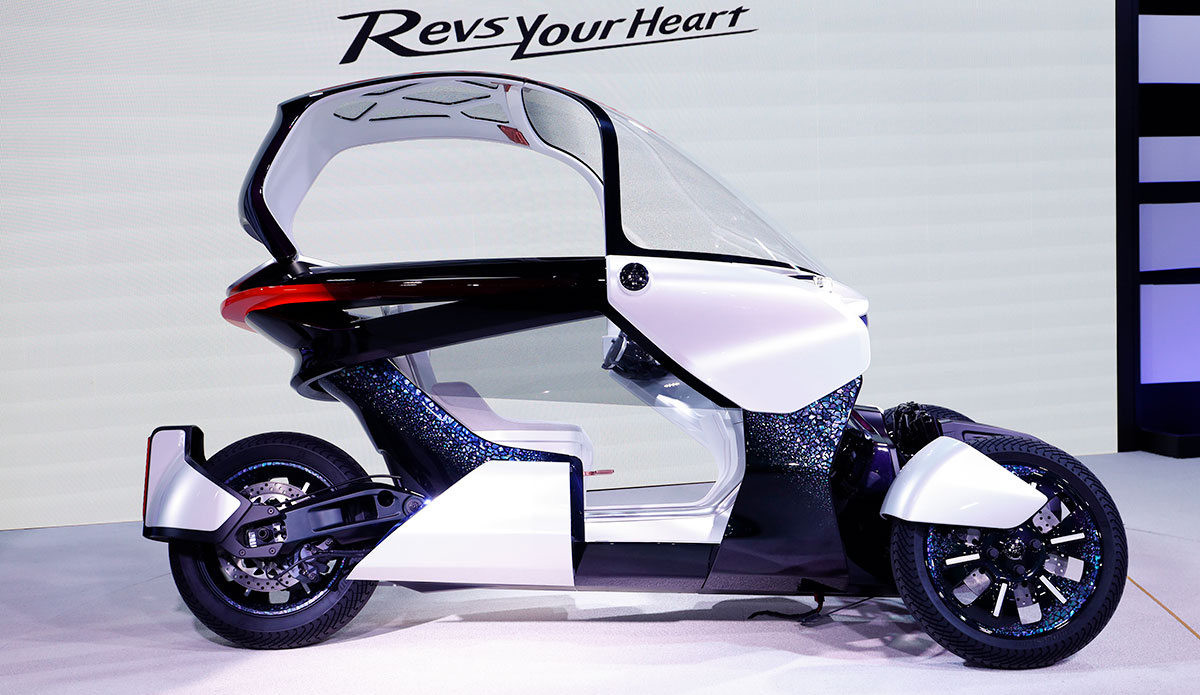
Yamaha unveiled four new models to the world at the 46th Tokyo Motor Show, each representing a vision of the future of alternative fuel vehicles.
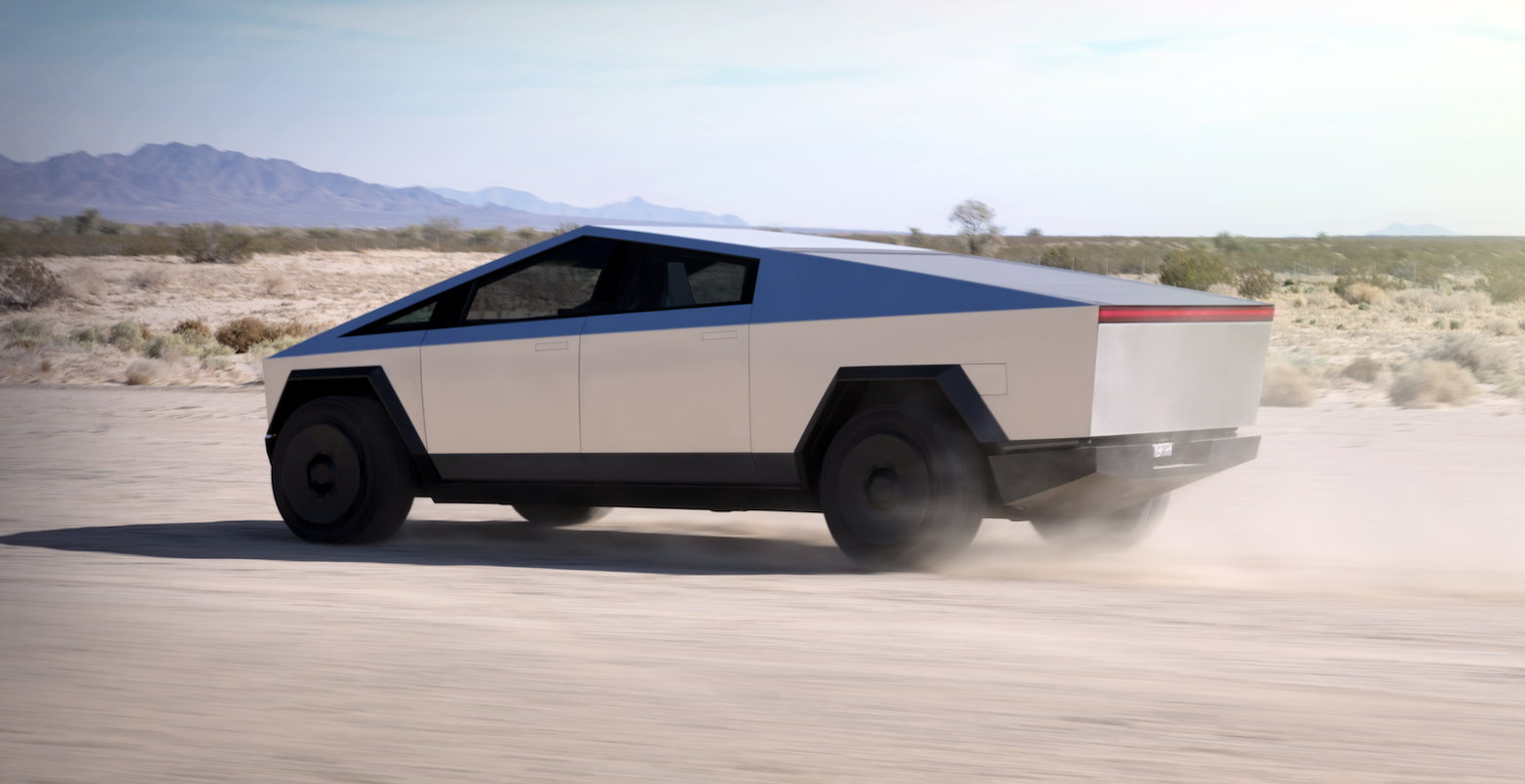
The light show rollout and hype-filled introduction of the Tesla Cybertruck has disrupted the marketplace and undoubtedly shifted marketing plans for a variety of companies.
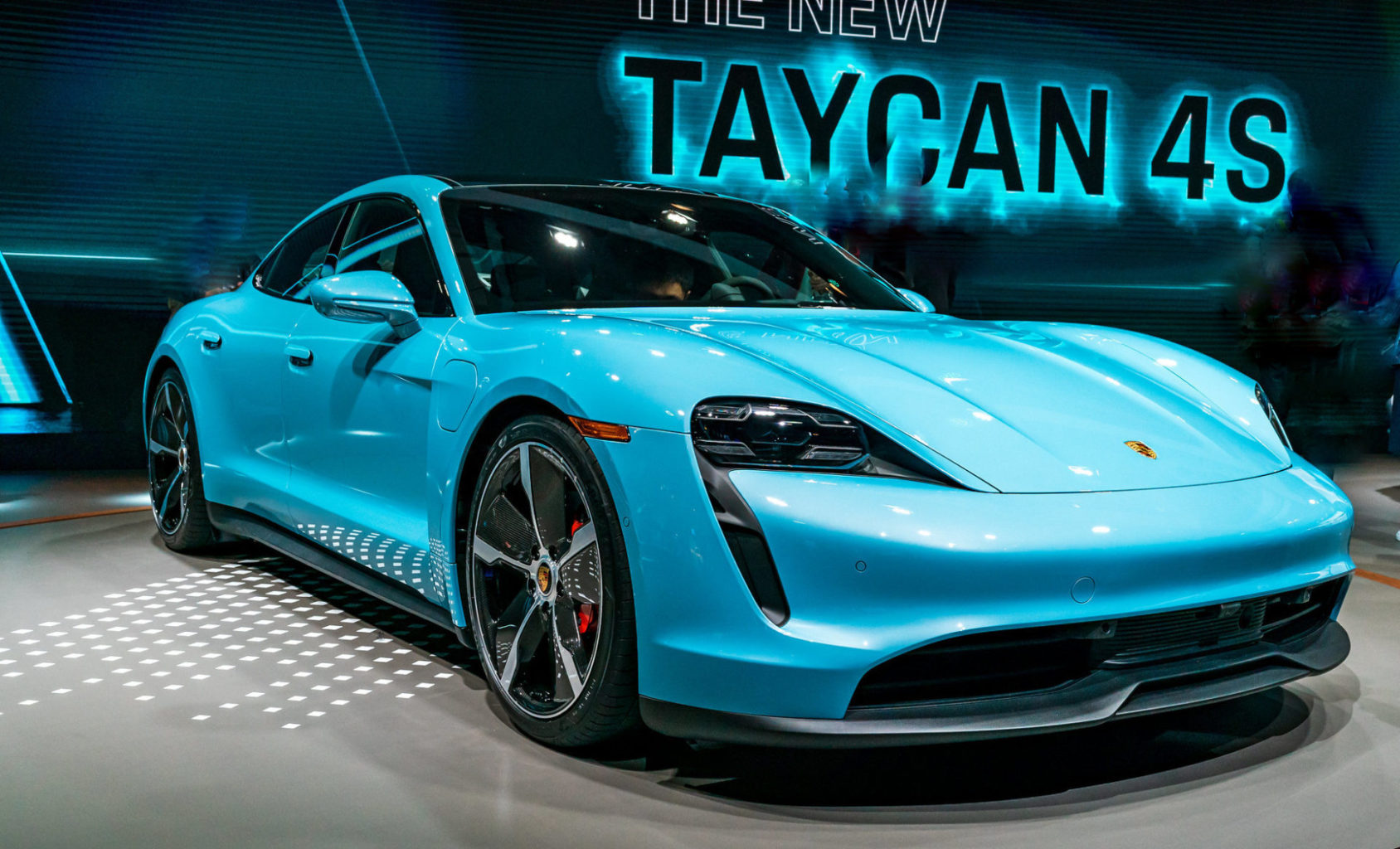
Manufacturers showcased more than a dozen electrified cars, SUVs and crossovers at the 2019 LA Auto Show, demonstrating the importance of auto companies getting into this area of vehicle propulsion and the breadth of expanded plug-in offerings.
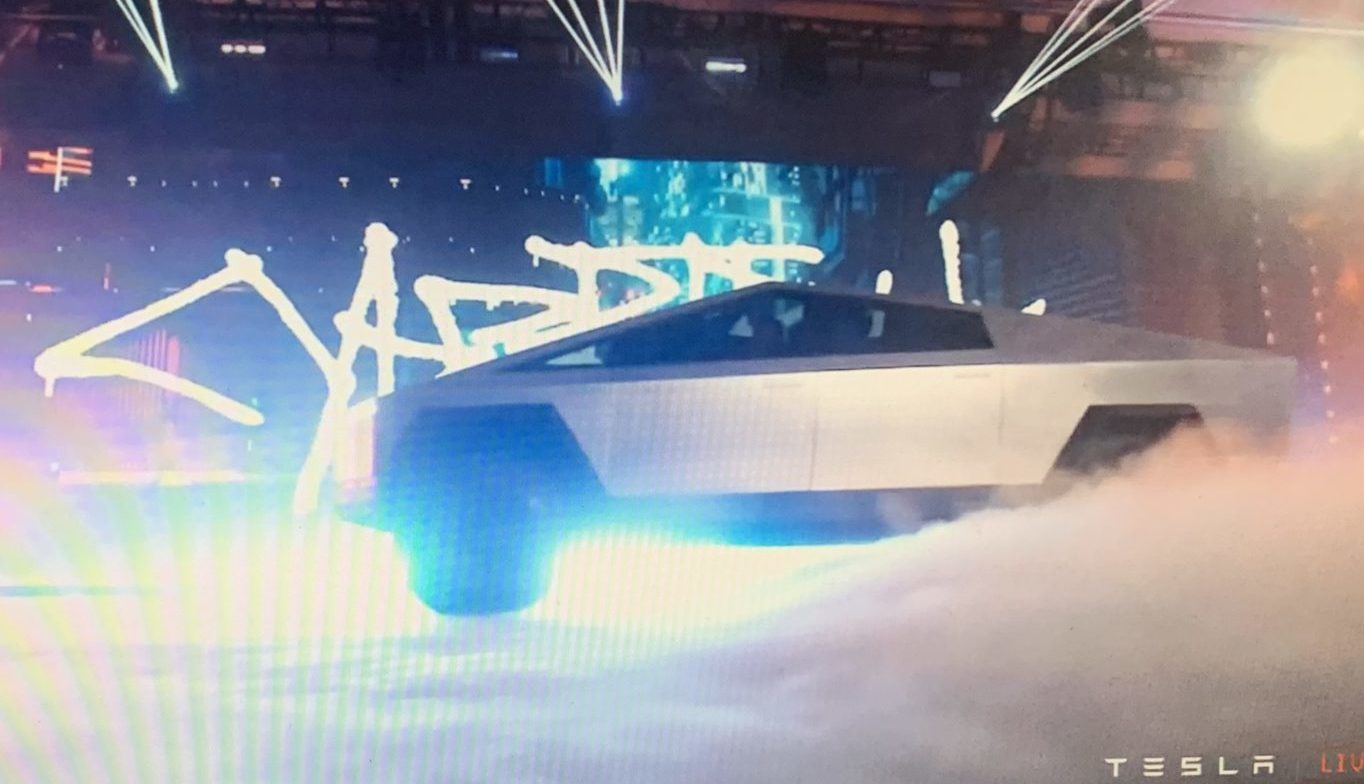
While presented as beefy and capable as the Ford F-150, because of its non-standard configuration, the Cybertruck will likely fail to be seen as a true head-to-head competitor, even if it can keep to its stated $39,900 starting price.
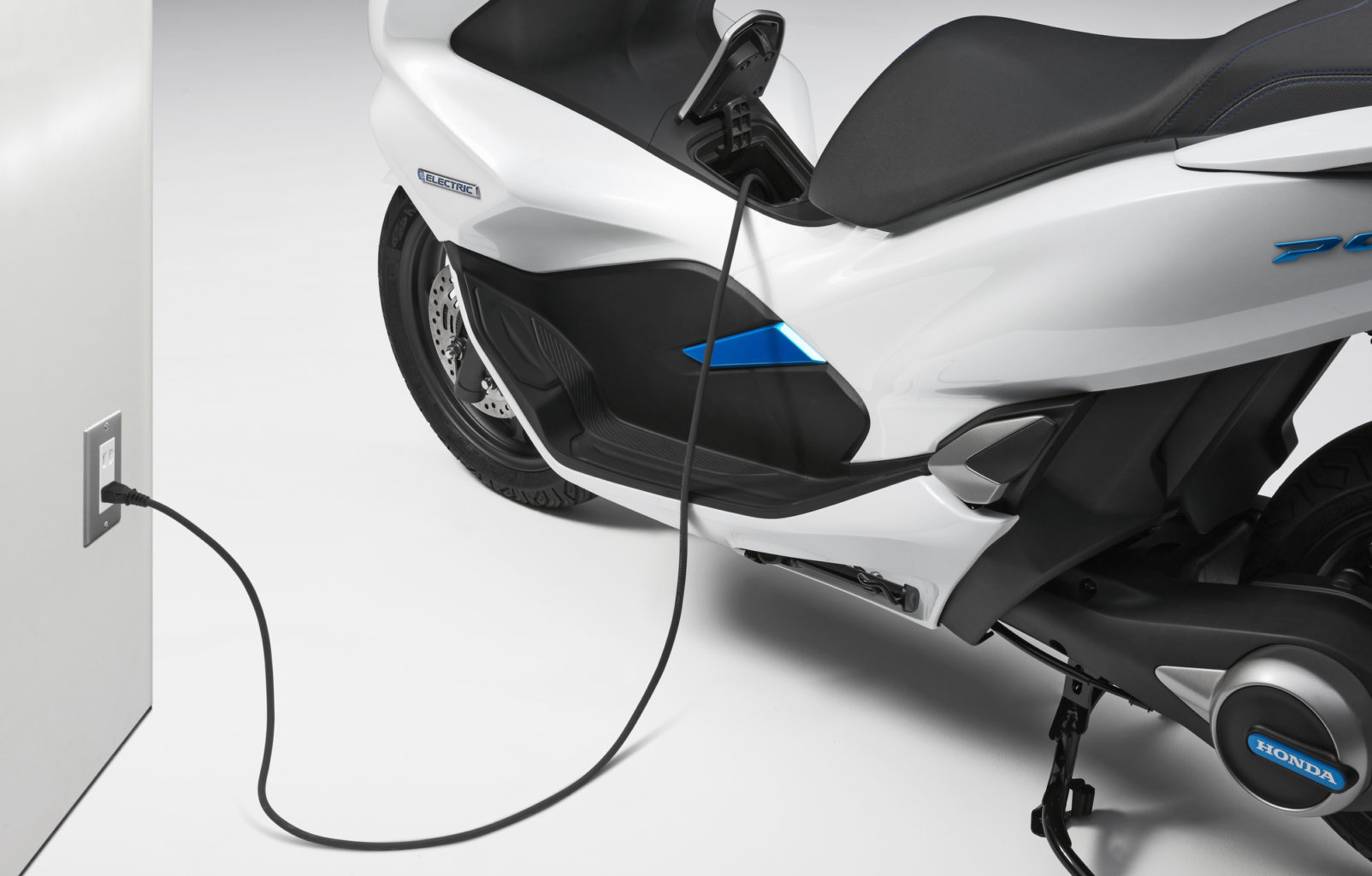
The auto industry could be perfectly suited to carry electric motorcycle technology to the next stage.