
This article may contain affiliate links.
As the global automotive industry undergoes a radical transformation toward sustainability, the conversation has largely centered on battery chemistry and charging infrastructure. However, an equally critical component of the “clean fleet” philosophy is the physical preservation and aerodynamic optimization of the vehicles themselves. For fleet managers and individual enthusiasts alike, the goal is to maximize the lifecycle of these high-tech assets while ensuring they operate at peak efficiency.
Sustainable transportation is not just about what is under the hood; it is about the entire lifecycle of the vehicle. By protecting the exterior and improving the mechanical integrity of a fleet, we can significantly reduce the environmental footprint associated with manufacturing new parts and premature vehicle disposal. This proactive approach to maintenance represents a shift from a “replace” culture to a “refine and preserve” mentality.
In this landscape of evolving technology, selecting the right partner for vehicle enhancement is paramount for long-term ROI. An example of a company pioneering these principals in the Northeast Texas region, including Greenville and Rockwall, Evolution Motoring provides a suite of specialized services—from Xpel paint protection to performance upgrades—that are essential for maintaining the integrity of modern, high-efficiency vehicles. Its UTI-trained technicians bring decades of expertise to ensure that every modification contributes to a vehicle’s longevity and performance profile.
The Intersection of Aerodynamics and Paint Protection
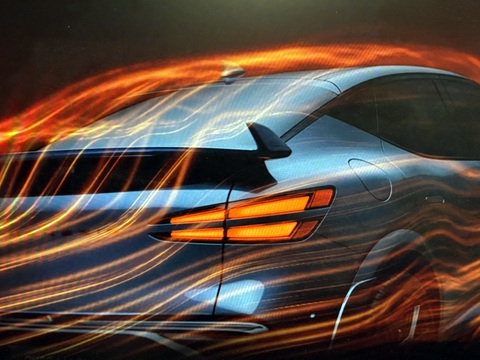
One of the most overlooked aspects of EV efficiency is surface friction. While modern electric vehicles are designed with incredibly low drag coefficients, surface imperfections caused by road debris, micro-scratches and environmental contaminants can create turbulence. Advanced paint protection films (PPF) and ceramic coatings create a molecularly smooth surface that allows air to flow more efficiently over the body panels.
Furthermore, the manufacturing process of an electric vehicle is incredibly resource-intensive. According to a report by the NY Times, the carbon footprint of producing an EV is initially higher than a traditional car due to battery production. This makes the preservation of the existing vehicle body even more vital; every year we extend the life of a vehicle’s exterior is a year we defer the environmental cost of producing a replacement.
Why Surface Preservation is a Sustainability Goal
- Reduced Water Usage: High-quality ceramic coatings are hydrophobic, meaning they repel water and dirt, significantly reducing the frequency and intensity of washing required.
- Chemical Reduction: Protected surfaces require fewer harsh detergents and chemical waxes, preventing toxic runoff from entering local water systems.
- Asset Longevity: Shielding a vehicle from UV damage and oxidation prevents the degradation of plastics and paints, keeping the vehicle in service longer.
| Feature | Impact on Sustainability | Long-term Value |
| Xpel Paint Protection | Prevents physical damage; reduces waste | High resale value retention |
| Performance Upgrades | Optimizes energy consumption | Lower operational costs |
| Specialized Lighting | Improves safety and reduces energy draw | Enhanced driver security |
| Suspension Calibration | Ensures even tire wear and efficiency | Extended component lifespan |
Infrastructure and the Importance of High-Tech Upgrades
The shift toward a greener fleet also involves upgrading existing infrastructure to meet the demands of modern driving. For many truck and SUV owners, this means transitioning toward lighter, more efficient components that don’t compromise utility. Performance upgrades are no longer just about horsepower; they are about optimizing torque delivery and reducing mechanical drag to ensure that every gallon of fuel or kilowatt of electricity is used to its fullest potential.
The economic reality of the transition to cleaner transportation is also being reflected in the corporate world. Forbes notes that companies are increasingly looking at fleet “greening” as a core part of their ESG (Environmental, Social, and Governance) strategies. By investing in professional-grade builds and protective measures, businesses can demonstrate a commitment to sustainable asset management while simultaneously lowering their total cost of ownership.
The Role of Professional Training in Vehicle Care
As vehicles become more complex, the “shade tree mechanic” approach is no longer viable. Modern EVs and high-efficiency hybrids are packed with sensors for ADAS (advanced driver-assistance systems) that are often located behind bumpers or near the glass. Improperly applied films or mechanical work can interfere with these critical safety systems.
Utilizing technicians with Universal Technical Institute (UTI) training ensures that these systems are handled with a deep understanding of the electrical and mechanical architecture involved. This level of precision is necessary to ensure that “upgrading” a vehicle doesn’t inadvertently lead to decreased safety or efficiency.
Practical Steps for Individual and Fleet Sustainability
For those looking to transition to a cleaner fleet, the process can be broken down into practical, high-impact steps. It begins with an assessment of the current vehicle’s condition and identifying areas where modern technology can provide a boost.
- Conduct a Surface Audit: Check for areas of high wear, such as the front fascia and side mirrors, where protection film will provide the most benefit.
- Review Lighting Efficiency: Replace older halogen systems with high-output LEDs to reduce the electrical load on the alternator or battery.
- Optimize the Stance: Ensure that suspension upgrades are calibrated for the specific weight distribution of the vehicle, which is particularly important for the heavy battery packs in EVs.
- Invest in Quality Materials: Choosing premium brands like Xpel ensures that the protection will last for the duration of the vehicle’s life, rather than needing to be replaced every few years.
The future of the automotive industry is a blend of innovative technology and meticulous craftsmanship. While the manufacturers provide the platform, it is the secondary market and specialized service providers who ensure these vehicles can survive the harsh realities of the road. By viewing vehicle protection as a form of environmental stewardship, we can ensure that the “clean fleets” of today remain efficient, beautiful, and functional for decades to come.
Maintaining a vehicle at the highest standard is an investment in our collective future. When we choose professional expertise and superior materials, we are choosing a path of responsibility that balances the thrill of the drive with the necessity of conservation. This holistic approach ensures that every vehicle, whether a custom build or a commercial hauler, performs its duty with maximum efficiency and minimal waste.
