
This article may contain affiliate links.
Quick Summary
The recent winter storms that just cut a cold swatch across the continent were a grim reminder. Swapping tires with the seasons isn’t just a recommendation – it’s a critical safety practice. Winter and summer tires are engineered with different rubber compounds and tread patterns suited to specific temperature ranges and road conditions. Using the wrong type can drastically increase stopping distances, reduce traction and compromise vehicle control. In many parts of North America, switching to winter tires is legally encouraged or required during colder months. A proper seasonal tire change helps maintain optimal grip, improves fuel efficiency and extends the life of both sets of tires when stored correctly.
Introduction
Every fall and spring, driveways fill with vehicles heading to get their wheels swapped. It’s not just ritual – it’s responsibility. As temperatures dip below 45°F, all-season tires begin to harden, losing grip on icy or snowy roads. That’s when the real difference between “getting by” and staying safe becomes clear.
Finding a dependable place for your seasonal tire rotation matters more than most drivers realize. You need skilled hands, proper balancing and secure storage – not just a quick swap. That’s where a trusted service provider like Good Tire comes in, offering expertise that goes beyond basic installation.
But this isn’t just about where you go – it’s about why you go at all. Understanding the engineering behind seasonal tires, the risks of delaying a change, and what to expect from a professional service can help you make smarter choices for your vehicle, your passengers, and everyone else on the road.
The Science and Safety Behind Seasonal Tire Changes
Many drivers assume “all-season” means “all-weather,” but that’s a dangerous misconception. The truth lies in materials science, tread geometry and real-world performance under temperature extremes. Seasonal tires aren’t just a marketing gimmick – they’re engineered responses to physics.
Why Rubber Compound Matters More Than You Think
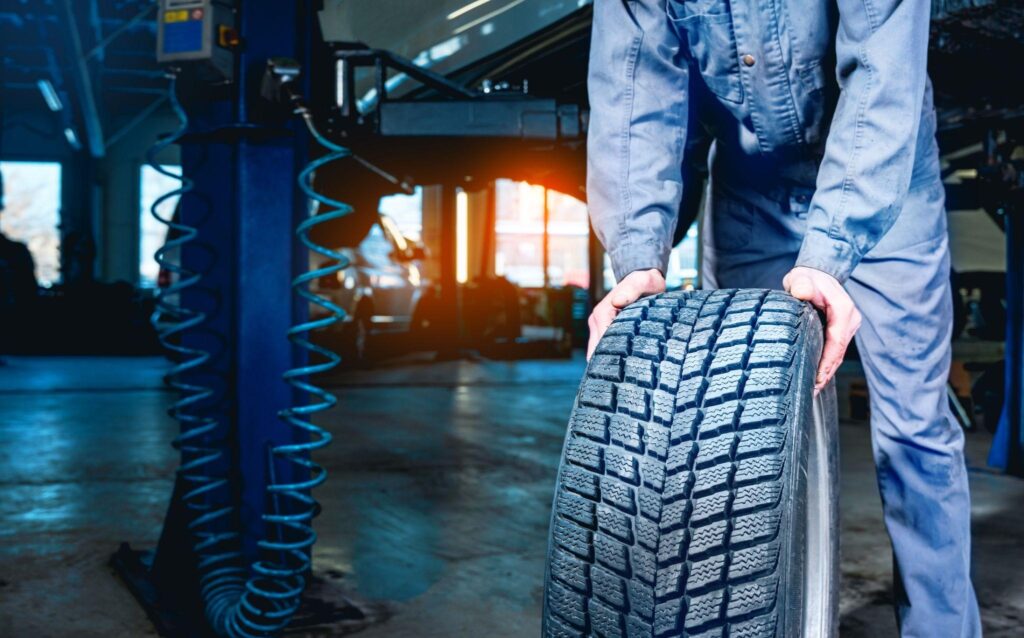
Winter tires use a softer rubber blend that stays pliable in freezing temperatures. This flexibility allows the tread to conform to uneven ice and snow, creating micro-grips that rigid all-season tires simply can’t achieve. In contrast, summer or performance tires rely on harder compounds that maintain stability and reduce wear in warm conditions – but they become brittle and slick below 45°F.
To illustrate the difference, consider this braking comparison on cold, wet pavement:
| Tire Type | Braking Distance from 30 mph | Relative Risk |
| Winter Tires | ~72 feet | Baseline |
| All-Season Tires | ~105 feet | +45% longer |
| Summer Tires | ~130+ feet | +80% longer |
That extra 32-60 feet could mean the difference between a safe stop and a collision.
Tread Design: It’s Not Just About Grooves
Winter tires feature deeper treads, aggressive siping (those tiny slits in the tread blocks) and specialized patterns that bite into snow and expel slush. Summer tires prioritize wide grooves for water dispersion and solid center ribs for highway stability – but those features offer little benefit on snow-covered roads.
All-season tires attempt a compromise: moderate tread depth, some siping and a mid-range compound. While versatile, they underperform in both extremes. Think of them like a Swiss Army knife – handy for many tasks, but not the best tool for any single one.
Legal and Insurance Considerations
While not federally mandated, several states and provinces strongly recommend or incentivize seasonal changes: In Canada:
- Quebec requires winter tires from December 1 to March 15.
- British Columbia enforces winter tire rules on designated highways from October to April.
- Many insurers in Ontario and Atlantic Canada offer discounts (typically 3–5%) for verified winter tire use.
Even where not required, using inappropriate tires during winter weather could impact liability in the event of a collision. Insurance adjusters often review tire type as part of accident investigations.
Storage and Rotation: Extending the Life of Both Sets
A proper seasonal change isn’t just about swapping wheels – it’s about care:
- Clean tires thoroughly before storage to prevent rubber degradation.
- Store in a cool, dry, dark place, preferably on rims and inflated to 35 PSI.
- Rotate tires every 6,000 miles to ensure even wear.
Many drivers overlook storage, stacking tires in garages exposed to sunlight or humidity. Over time, this causes cracking and dry rot – even if tread depth looks fine.
What to Look for When Choosing a Tire Shop for Seasonal Swaps
Switching tires twice a year is only as effective as the service behind it. A rushed or poorly executed swap can lead to vibrations, uneven wear or even wheel damage. Knowing what separates a reliable provider from a convenient one can save you time, money and stress.
Expertise Over Convenience
Not all garages treat tire changes with the same care. Look for a tire shop that includes:
- Wheel balancing with every seasonal change
- Torque-checked lug nuts (not just “tightened”)
- Visual inspection of rims for curb damage or corrosion
- Proper storage protocols if you leave your off-season set with them
Technicians should also be able to explain tread wear patterns – cupping might indicate alignment issues, while shoulder wear could point to underinflation.
Inventory and Availability Matter
If you’re buying new tires as part of your seasonal rotation, check whether the location functions as both a service centre and a full-service tire store. Places with on-site inventory let you test-fit options and drive away the same day – critical when a sudden cold snap hits in late October.
Many drivers wait until the first snowfall to act, only to face backlogs. Planning ahead (ideally by mid-October for winter, mid-April for summer) ensures you’re not stuck with last year’s worn set during a storm.
How to Identify the Best Tires for Your Needs
“Best” doesn’t mean “most expensive.” The best tires for you depend on:
- Your vehicle type (sedan, SUV, performance car)
- Your typical driving conditions (urban commuting vs. rural highways)
- Your priorities (fuel efficiency, noise reduction, snow traction)
For example, a Michelin X-Ice prioritizes ice grip and longevity, while a Nokian Hakkapeliitta excels in deep snow but costs more. A knowledgeable advisor will ask about your driving habits – not just your budget.
Smart Strategies for Knowing Where to Buy Tires
When researching where to buy tires, consider more than price. Factor in:
- Warranty coverage (some include free rotations or road hazard protection)
- Price-matching policies
- Online booking and wait-time transparency
- Customer reviews that mention seasonal service specifically
Many customers now use online tools to compare models and book installations in advance – blending digital convenience with in-person expertise.
Final Thoughts: Making Seasonal Tire Changes a Non-Negotiable Habit
For many Canadians and Americans, seasonal tire changes have become as routine as setting the clocks forward or checking smoke detectors. But unlike those tasks, this one directly affects how your vehicle responds in life-or-death moments: a sudden stop on black ice, a sharp turn on a rain-slicked highway or a hill climb during a late-spring snowstorm.
The investment isn’t just financial – it’s in mindfulness. Choosing the right tires for the season, storing them properly and trusting a qualified team to handle the swap shows respect for your vehicle’s limits and your own safety. It also signals awareness of shared responsibility on the road. One study by the Traffic Injury Research Foundation found that vehicles on proper winter tires were involved in 38% fewer collisions during winter months compared to those on all-seasons.
