
This article may contain affiliate links.
A remarkable 80% of car owners report substantially reduced exterior damage after using paint protection film (PPF).
Paint protection film installation has revolutionized how vehicle owners keep their rides looking fresh. Your car gets an invisible shield that acts as a physical barrier. This barrier stops stone chips, minor scratches and road debris from ruining the paint job. PPF works like a superhero cape for your car–you can’t see it, but it packs serious protective powers!
This piece breaks down everything about car paint protection film–from selection to application techniques. You’ll learn about DIY installation savings and professional service value. Let’s take a closer look at the details!
The Dual Role of PPF: Style and Shield
Paint protection film does way beyond just safeguarding your vehicle. PPF serves a double purpose that makes it worth every penny you invest.
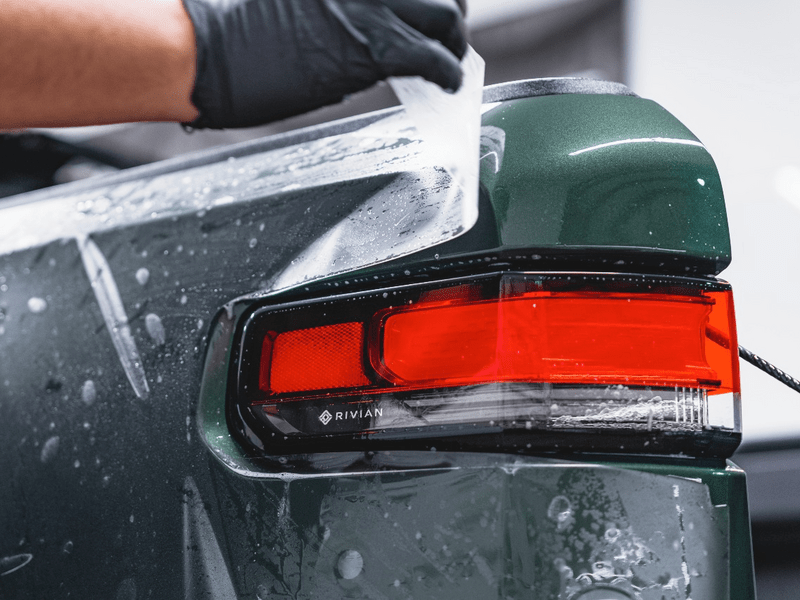
How PPF Boosts Appearance
Paint protection film’s magic lies in knowing how to improve your car’s looks. Modern PPF products add a glossy, polished finish that makes your vehicle look freshly detailed all the time. High-quality PPF keeps light transmittance above 90%, which preserves your car’s original paint color’s vibrancy and depth.
Most car owners don’t know that PPF can reshape their vehicle’s entire aesthetic. Premium films create a smooth, uniform finish that brings out your car’s contours and lines. Unlike wax or ceramic coatings, PPF merges with your vehicle’s surface and mimics the original paint texture while adding visual appeal.
PPF doesn’t just preserve your car’s existing look. Today’s advanced options let you customize your style:
- Gloss finish – Boosts your car’s color depth and clarity with a high-end, lustrous sheen
- Satin/matte finish – Gives glossy paint a trendy, sophisticated matte appearance that diffuses light reflection
- Colored PPF – Provides OEM-inspired colors with smooth surfaces in gloss, satin, and metallic finishes
On top of that, modern PPFs’ self-healing properties keep that “just detailed” look without frequent polishing or waxing. Minor swirl marks and light scratches vanish when exposed to heat from the sun or even your hand.
Xpel Srealth™ specialty films can turn a glossy painted surface into a refined matte finish. This feature adds impressive visual versatility to PPF beyond its protective qualities.
How It Protects Your Paint
PPF builds a strong shield against the daily road hazards your car faces. Its elastomeric polymer construction absorbs impacts from rocks, gravel and road debris that would typically damage paint. This invisible barrier, typically 6-8 mils thick, takes the hit to protect your original paint.
Think of PPF as body armor for your car. Chips and scratches hit a resilient sacrificial layer before reaching your paint. The film has multiple layers of material that block harmful contaminants. This layered protection makes road hazards bounce off instead of leaving permanent damage.
PPF also provides remarkable defense against:
- UV radiation – Blocks up to 99% of harmful rays that cause paint fading and oxidation
- Chemical exposure – Fights damage from bird droppings, tree sap and other corrosive substances
- Environmental stains – Stops pollutants that would otherwise permanently mark your paint
The self-healing technology in advanced PPF might be its most impressive feature. These films use elastomeric polymers that react to heat, which lets the material reshape itself and remove minor scratches. After a light scratch appears, park in the sun or use a heat gun and watch the mark disappear within seconds.
Certain PPF options’ hydrophobic properties add another practical benefit. Water beads off instead of sticking to the surface, which makes washing easier and keeps dirt from building up. Your car keeps its showroom-fresh look between cleanings.
Modern car paint protection film becomes virtually invisible after professional installation. The transparent film guards vehicle surfaces against damage while staying nearly undetectable to untrained eyes. You get all the protection without changing your car’s appearance.
PPF’s combination of looks and superior protection makes it a smart investment for car owners who value both style and longevity. The original installation cost might seem high, but keeping your vehicle in pristine condition is worth the upfront expense.
Types of Paint Protection Films
Choosing the right protective layer for your vehicle is like picking the perfect outfit. Let’s look at the different PPF options you can use to dress your car in style.
Standard Urethane PPF
Standard urethane PPF forms the foundation of all car protection films. This clear, durable thermoplastic polyurethane (TPU) material creates an invisible barrier between your paint and road hazards. Standard PPF is about 6 mils (150 microns) thick and protects against rock chips, scratches and environmental damage.
Standard urethane PPF is the reliable workhorse of paint protection. It gives great value to everyday drivers who need simple defense without extra features. The film’s clear nature keeps your car’s original appearance with a high-gloss finish.
These standard films might not have all the fancy features of premium options, but they give excellent protection at a better price. This makes them a great choice for partial installations on high-impact areas like bumpers and hoods.
Self-Healing PPF
Self-healing PPF technology is where things get interesting. These advanced films use elastomeric polymers that bounce back to their original shape after getting scratched. Minor scratches vanish when exposed to heat, from sunlight, warm water,\ or a heat gun, as the film “flows” back into place.
The self-healing happens because these films have a special top coat that softens above 80 degrees Fahrenheit. Heat makes the microscopic polymer chains move and fill scratches before hardening again.
Different brands offer varying technology:
- Soft self-healing coats fix damage quickly (often within minutes)
- Hard self-healing coats need extra heat to work
Matte and Colored PPF
PPF now comes in options beyond just glossy, clear finish. Modern matte films can transform glossy paint into a sophisticated, non-reflective look. These matte finishes protect just as well as glossy ones while creating a unique style.
Colored PPF has changed the game completely. You can find solid colors, metallics and even liquid-metal effects that transform your car’s style and protect the paint without permanent changes.
Colored PPF options include:
- Gloss finish for a shiny, polished look
- Matte finish for a modern, sophisticated appearance
- Satin finish that strikes a balance with subtle shine
Today’s car paint protection film options go beyond clear finishes. Many manufacturers now offer colored films designed to match luxury paint codes, making it possible to transform the look of your vehicle while still getting high-end protection. This means you can upgrade your style and protect your paint at the same time, without compromising on durability or finish quality.
Hydrophobic PPF
Water beads up and rolls right off hydrophobic PPF, which makes cleaning much easier. These films use water-repelling technology in their top coats to create surfaces that shed rain, mud and road grime.
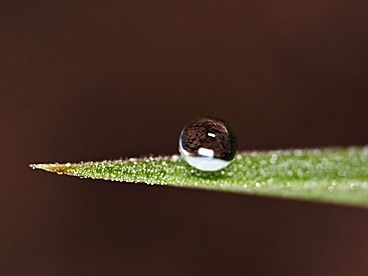
Ceramic Pro’s hydrophobic PPF shows this technology at its best-contaminants just slide off. You’ll spend less time washing your car and keeping it clean.
The benefits go beyond water resistance. These films also fight stains from bird droppings, tree sap and road salt. This extra protection keeps your car cleaner between washes and helps the film last longer.
If you’d like to dive deeper, this car paint protection film guide breaks down the options in more detail to help you choose the right fit.
Factors like how you drive, your budget and the look you want all play a role in deciding what works best. We’ll walk through those considerations next so you can make a confident choice for your vehicle.
How to Choose the Right PPF for Your Car
Selecting the perfect paint protection film demands careful consideration of several factors. PPF is a long-term investment, not just a quick fix. Let’s look at what matters most when making your selection.
Consider Your Driving Habits
First and foremost, where and how you drive should guide your PPF choice. Daily commuters facing normal road conditions can typically opt for standard 6-8 mil thickness films. However, if your vehicle frequently encounters rough terrain or areas with abundant road debris, thicker films (8-10 mils) provide superior protection against scratches and chips.
Off-roaders and performance enthusiasts should consider specialized options. The “track pack” PPF configuration delivers enhanced protection specifically designed for high-speed and performance-focused use. This configuration shields areas most vulnerable to damage during aggressive driving.
Your typical driving environment plays a crucial role too:
- City dwellers with well-maintained roads might need less extensive coverage
- Highway commuters should prioritize front-end protection
- Rural drivers facing gravel roads need more comprehensive coverage
Match Your Aesthetic Preferences
Beyond protection, your vehicle’s appearance matters too. Consequently, PPF comes in various finishes to complement your style preferences. Choosing between gloss or matte finishes depends on your desired outcome.
Gloss PPF enhances your car’s natural shine with a sleek, polished finish, perfect for amplifying vibrant colors or subtle metallic finishes. For those preferring a more understated look, matte PPF creates a smooth, satin finish that removes reflective shine for a sophisticated appearance.
Specialty finishes allow for even more customization. You can maintain a glossy, matte, satin or even custom look while securing top-notch protection. The right PPF doesn’t force you to choose between protection and style, it delivers both simultaneously.
High-end vehicles often benefit from premium films that preserve their distinctive appearance. After all, maintaining your car’s original aesthetic is just as important as protecting it from damage.
Balance Between Budget And Features
Finding equilibrium between cost and quality forms a critical part of the selection process. Premium PPF brands typically cost between $8-$10 USD per square foot and offer advanced features like superior clarity, remarkable self-healing properties and extended longevity.
In contrast, lower-quality options ($2-$5 USD per square foot) often lack critical features like self-healing capabilities.
Consider these factors when evaluating the price-value relationship:
- Material quality – Higher-quality films generally cost more, but offer better protection and longevity, potentially more cost-effective over time
- Longevity and warranty – Some premium films include warranties up to 12 years
- Features vs. needs – Self-healing and hydrophobic properties add cost, but may be worth the investment depending on your priorities
For high-performance and luxury vehicles, investing in thicker PPF helps maintain value over time. Conversely, for older or less expensive vehicles, more affordable options might make better financial sense.
Professional advice can prove invaluable during this process. Experts can provide tailored recommendations based on your specific needs, driving habits and local environment.
They’ll help you determine if that premium hydrophobic coating is worth the extra cost for your situation.
For more information about car paint protection film, consult with certified professionals who can assess your specific requirements.
Conclusion
Paint protection film stands out as one of the smartest investments you can make for your vehicle. This piece shows how PPF acts as both a shield and a style upgrade for your prized ride. These benefits make it worth getting whatever type of vehicle you drive.
Modern PPF does much more than just guard against stone chips and scratches. Quality films reshape the scene with glossy, matte or even colored finishes while creating an invisible armor against environmental threats. The self-healing technology is amazing-maybe even the most impressive feature that lets minor scratches vanish with just a bit of heat.
Your driving habits, priorities and budget largely determine the right film choice. Standard urethane works great for simple protection, while premium options with hydrophobic properties give you next-level defense against water spots and staining. Your typical driving environment should guide your selection.
