
This article may contain affiliate links.
Upgrading your wheels is one of the most noticeable changes you can make to your Jeep. A new set of Jeep rims can dramatically improve stance, complement larger tires and refine the overall look of your build. However, many beginners jump into wheel upgrades based purely on appearance, overlooking the mechanical and fitment considerations that determine whether the setup actually works long term.
Wheel diameter, width, offset, tire pairing and drivetrain impact all matter. Before committing to a new set, it’s important to avoid a few common mistakes that can lead to rubbing, poor performance or unnecessary additional expenses.
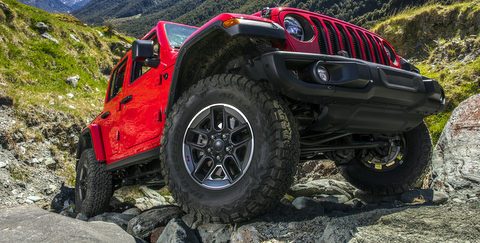
Choosing Size Without Checking Clearance
One of the most frequent mistakes beginners make is selecting wheel size without verifying clearance. Larger wheels may look aggressive and modern, but they directly influence tire sidewall height and available space within the wheel well.
For example, some Jeep owners consider smaller-diameter options like 16-inch truck rims to maximize tire sidewall height. Taller sidewalls improve off-road traction when airing down and help protect the wheel from trail damage. However, not every Jeep model can accommodate 16-inch wheels due to brake caliper size. Failing to confirm brake clearance before purchasing can result in costly returns or modifications.
On the opposite end, larger wheels reduce available sidewall if maintaining the same overall tire diameter. That can create a firmer ride and reduce off-road cushioning. Additionally, wheel width and backspacing must be evaluated carefully. Even if the diameter is correct, incorrect offset can cause rubbing against control arms, sway bars or inner fenders.
Clearance should always be checked under real driving conditions—not just while the vehicle is parked. During turns and suspension compression, tires move significantly. What fits in the driveway may rub on the trail.
Taking time to measure, research fitment specifications and understand your Jeep’s factory limitations prevents unnecessary headaches later.
Ignoring Gear Ratio and Performance Impact
Another beginner mistake is ignoring how wheel and tire changes affect performance. While wheels alone don’t change gearing, they are often paired with larger tires—which absolutely do.
When stepping up to larger setups mounted on 18-inch truck rims, many builders also increase overall tire diameter. Larger tires effectively change your Jeep’s gear ratio, reducing torque at the wheels. This can result in slower acceleration, altered transmission shift points and increased strain on drivetrain components.
The heavier the wheel-and-tire combination, the more rotational mass your engine and brakes must manage. Increased weight impacts braking distance and may reduce fuel efficiency. While moderate size increases are manageable for most factory drivetrains, more aggressive setups may require re-gearing to restore lost power.
Steering feel can also change. Larger, heavier wheels require more effort to turn—especially at low speeds. If paired with aggressive offsets, the added leverage increases stress on tie rods, ball joints and wheel bearings.
Beginners often focus on the visual upgrade without fully considering how their Jeep will drive afterward. A well-balanced build accounts for both appearance and mechanical harmony.
Overlooking Offset and Backspacing
Offset and backspacing determine how your wheels sit relative to the hub. Choosing an aggressive negative offset can create a wider stance and bold look, but it also shifts load outward. This increases stress on suspension and steering components over time.
Incorrect backspacing can also lead to rubbing issues, even if tire diameter is within acceptable range. Always confirm manufacturer recommendations for your specific Jeep model before selecting wheels.
Forgetting About Intended Use
Your Jeep’s primary use should guide wheel selection. A daily-driven Jeep may benefit from moderate sizing that preserves ride comfort and steering precision. A trail-focused build may prioritize sidewall height and durability.
Balancing aesthetics with functionality ensures your build performs as well as it looks.
Prioritizing Style Over Strength
While design and finish matter, construction quality should always come first. Off-road driving places tremendous stress on wheels. Investing in strong, well-engineered rims protects against bending or cracking under load.
Lightweight but durable wheels help maintain performance without adding unnecessary strain.
Conclusion
Choosing Jeep rims involves more than picking a diameter and finish. Clearance, offset, tire pairing, gearing impact and intended use all influence how your Jeep performs after the upgrade.
By avoiding beginner mistakes—such as skipping clearance checks or overlooking performance changes—you can build a setup that enhances both style and reliability. Thoughtful planning ensures your new wheels complement your Jeep’s capabilities instead of creating unexpected challenges down the road.
