
This article may contain affiliate links.
[Ed. note] The Toyota Prius has earned a place in automotive history as an example of innovative technology designed to deliver an environmental benefit. It went beyond that to become one of the most successful models in recent history, tallying lifetime worldwide sales of more than seven million cars over five generations. But as with all cars, mechanical issues can arise. This article delves into one, head gasket leaks.
White exhaust from a Prius can mean two different things: harmless condensation or coolant turning to steam inside the engine. The difference is rarely the color alone—timing, duration and companion symptoms matter more, especially once the car is fully warm and still “smokes.”
When smoke persists after warmup or shows up with coolant loss, Toyota Prius head gasket replacement becomes a scenario to evaluate, not a phrase to fear. The goal is evidence-based triage: confirm whether combustion gases enter the cooling system or coolant enters a cylinder, before overheating enlarges the problem.
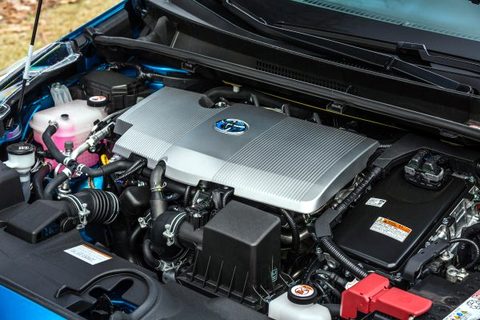
Why White Smoke Shouldn’t Be Ignored
Normal water vapor is shy: it appears at cold start and fades as the exhaust heats. Coolant steam is clingy: it lingers after warmup and often carries a slightly sweet odor. On a warm day, a steady white plume deserves attention. One easy sanity check is to watch it in sunlight; real steam tends to look denser and more persistent.
If the reservoir has been topped off recently, do not assume the issue is solved. A head gasket leak into the combustion chamber can “drink” coolant without leaving a puddle.
Is That Just Morning Vapor—or Coolant Burning in the Cylinder?
Observe the car after a full warmup and a short drive. Condensation usually disappears; coolant-related smoke tends to persist or return under load. Also note cabin heat, because heater stability reflects coolant circulation, and circulation keeps temperatures boring.
Five observations that often travel together:
- Coolant level declines over days, yet external leaks remain hard to find.
- Cold starts misfire briefly, then idle smooths within half a minute.
- Heater output turns lukewarm on hills, then recovers downhill quickly.
- Small bubbles appear in the reservoir while idling after warmup.
- Exhaust stays white after warmup and smells faintly sweet, too.
If three or more match, schedule diagnostics instead of guessing. It is less stressful than “monitoring,” and it can prevent the first real overheat.
Why Does White Smoke Appear—Then Disappear?
A small head gasket breach can leak intermittently, depending on temperature and cylinder pressure. Symptoms may cluster in the morning or during long grades, then “disappear” for a day. Usually, it paused, not healed. That on-and-off behavior is exactly why a simple log helps: date, coolant level and when the smoke appears.
How to Diagnose White Smoke and Confirm a Head Gasket Issue
Start with confirmation, not parts. Use a combustion-gas test, a cooling-system pressure test, and a scan for misfire history and temperature events. If evidence points to a head gasket issue, check spark plugs for a steam-cleaned look and review oil for discoloration. The more signals that agree, the less the repair plan relies on luck.
One suggestion for a diagnostic approach comes from Maxat Hybrid Repair. Use “photo proof”: a cold-engine coolant-line picture on day one, three and seven, matched to scan data. It is simply a disciplined way to separate trends from one-off noise when someone says, “It only does it sometimes.”
How to Handle Driving When Coolant Symptoms Appear
If temperature rises unusually fast, stop and cool down rather than pushing on. Avoid long, high-load climbs and aggressive acceleration until testing is complete. Repeated overheating tends to multiply the repair scope, so treat early symptoms as actionable data, not background static. If driving is unavoidable, keep trips short, recheck coolant when cold, and take “new smoke behavior” seriously.
