
This article may contain affiliate links.
Quick Answer
A driveway can last two decades or more when you follow a strategic approach to installation, care and timely repairs. Start with quality materials and proper base preparation, then commit to seasonal inspections, prompt crack sealing and protective sealcoating every few years. Managing water drainage and avoiding harsh deicers also play crucial roles. With consistent attention, your paved surface will remain safe, attractive and functional for 20 years and beyond.
Introduction
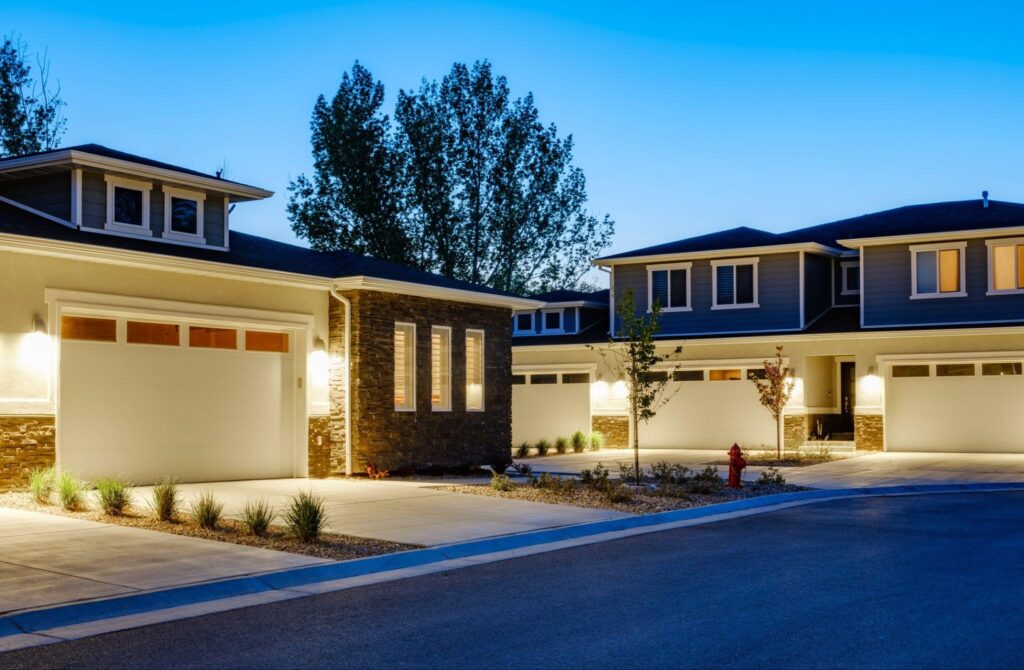
Picture this: you pull into your home after a long winter day, tires crunching over a smooth, dark driveway that still looks as fresh as the day it was laid. That sense of pride and security is not accidental. It is the result of thoughtful planning and consistent care guided by a clear vision for the long term.
Achieving that level of durability begins with choosing the right partner for your project. Whether you are installing a new surface or refreshing an existing one, take time to evaluate your best local options. For instance, if you investigated the best driveway paving company in Calgary, Alberta, it would help ensure your investment is protected from the start. From there, a proactive maintenance rhythm keeps everything performing at its best.
This guide walks you through a practical, phased strategy designed specifically for North American climates. You will learn which decisions matter most in year one, how to spot early warning signs, and simple habits that compound into decades of reliable service. It will help you build your roadmap to a driveway that truly stands the test of time.
Your 20-Year Driveway Strategy: A Phased Approach to Longevity
A driveway that endures two decades does not happen by chance. It requires a clear, stage-based plan that aligns with how materials age and how North American weather tests them. Breaking your strategy into three distinct phases helps you focus on the right actions at the right time.
Years 0 to 5: Building a Strong Foundation
The first five years set the tone for everything that follows. Proper installation is non-negotiable. This includes a well-compacted gravel base, adequate slope for water runoff, and asphalt laid at the correct temperature and thickness. During this period, your focus should be on prevention:
- Seal small cracks within the first 12 to 18 months to stop water infiltration
- Avoid parking heavy equipment or vehicles with studded tires in the same spot repeatedly
- Keep the surface clean of oil, gasoline and antifreeze spills
- Ensure adjacent landscaping does not trap moisture against the pavement edges
Investing in quality work upfront directly supports a long-lasting asphalt driveway. When the foundation is sound, minor wear appears slowly, giving you time to respond before issues escalate.
Years 5 to 10: Proactive Care and Early Intervention
By year five, your driveway has weathered several freeze-thaw cycles. This is the ideal window for a thorough assessment. Look for alligator cracking, edge deterioration or areas where water pools after rain. Addressing these early prevents costly reconstruction later.
| Warning Sign | Recommended Action | Ideal Timing |
| Hairline cracks | Clean and seal with flexible crack filler | Early spring or fall |
| Fading surface color | Apply a quality sealcoat | Every 3 to 4 years |
| Minor edge crumbling | Trim back soil, recompact, and patch | Before winter sets in |
| Small depressions | Fill with cold patch or hot mix as needed | As soon as noticed |
Consistent asphalt driveway maintenance during this phase extends service life significantly. Think of it like servicing a vehicle: small, scheduled attention avoids major breakdowns.
Years 10 to 20: Preservation and Smart Upgrades
In the second decade, your strategy shifts from prevention to preservation. The goal is to maintain structural integrity while refreshing appearance. Consider these actions:
- Re-evaluate drainage patterns; even minor grading changes can redirect harmful runoff
- Upgrade to polymer-modified sealants for enhanced flexibility in extreme cold
- Install protective barriers or bollards if snowplows frequently edge the driveway
- Document condition annually with photos to track changes and plan budgets
At this stage, thoughtful upgrades matter more than frequent repairs. A well-maintained surface from years one through 10 will respond beautifully to these refinements, carrying your driveway confidently toward the 20-year mark and beyond.
What to Do Next: Practical Tips and Forward-Looking Ideas
Now that you understand the phased strategy, you might wonder how to put it into action. The good news is that many of the most effective steps are simple, affordable and within your control. Here is how to move forward with confidence.
Smart Habits for Everyday Care
Small routines make a big difference over time. Integrate these practices into your seasonal rhythm:
- Sweep debris and leaves in autumn to prevent moisture retention and staining
- Rinse off road salt early in spring using low-pressure water
- Mark the edges of your driveway with reflective stakes to guide snow removal equipment
- Keep a small kit with crack filler and a putty knife for quick repairs after thaw
These habits require minimal time but deliver compounding benefits. They also help you spot changes early, so you can act before minor issues become major expenses.
Emerging Trends Worth Watching
The paving industry continues to evolve, and staying informed helps you make smarter choices. For homeowners exploring driveway paving ideas in 2026, a few innovations stand out:
| Trend | Benefit | Consideration |
| Warm mix asphalt | Lower installation emissions, better workability in cool weather | Requires experienced applicators |
| Permeable pavers for borders | Reduces runoff, complements main asphalt surface | Higher initial cost, needs proper subbase |
| UV-resistant sealants | Slows oxidation and color fading in high sun exposure | Apply only when surface is fully cured |
| Digital condition monitoring | Apps that track cracks and maintenance history | Best used alongside professional inspections |
Adopting even one of these ideas can enhance your long-term results, especially when aligned with your climate and usage patterns.
When to Call in Expert Support
Some tasks are perfectly suited for DIY, while others benefit from professional paving services and specialized equipment. Consider reaching out for professional assistance when:
- Cracks wider than a quarter inch appear across multiple areas
- You notice sinking or heaving that affects drainage
- Sealcoating has not been applied in over five years
- You are planning a partial reconstruction or overlay
Working with experienced teams ensures assessments are thorough and solutions match your driveway’s specific needs. If you are evaluating options, connecting with the best paving contractors can provide localized insights on materials and methods proven in the region.
Your Simple Next Step Checklist
Ready to take action? Start here:
- Walk your driveway this weekend and note any cracks, stains or drainage issues
- Schedule a sealcoat application if it has been more than three years since the last one
- Review your snow removal plan to avoid edge damage next winter
- Save a few photos in a dedicated folder to track changes over time
These four steps take less than an hour, but set a strong foundation for the next phase of your driveway’s life. Consistency, not complexity, is the true secret to reaching that 20-year milestone.
Final Thoughts: Your Driveway, Your Legacy
Reaching the 20-year mark with a functional, attractive driveway is entirely achievable when you view it as a long-term asset rather than a one-time installation. The strategy outlined here is not about perfection. It is about consistency, awareness and timely action.
