
This article may contain affiliate links.
Quick Summary
Experts handle the entire process of arranging, securing and protecting items inside moving storage containers. This approach reduces damage risks, prevents improper weight distribution and creates more stable shipments during transit. Many now view hands-off loading as essential for safety and efficiency rather than optional convenience. The shift stems from growing awareness of DIY limitations in achieving secure, professional-grade results.
Introduction
Moving coordinators and homeowners alike face the same persistent challenge when using portable containers: loading heavy, awkward or fragile belongings without causing shifts, breakage or structural issues inside the unit. Improper weight placement leads to dangerous imbalances during transport, while inadequate securing allows items to move freely and sustain impact damage.
A reliable container moving company connects customers with specialists who bring proven methods to the task, resulting in shipments that arrive intact and organized. Beyond basic packing, these services focus on safe packing for shipping through strategic layering, use of appropriate bracing materials and adherence to weight guidelines that minimize stress on the container structure.
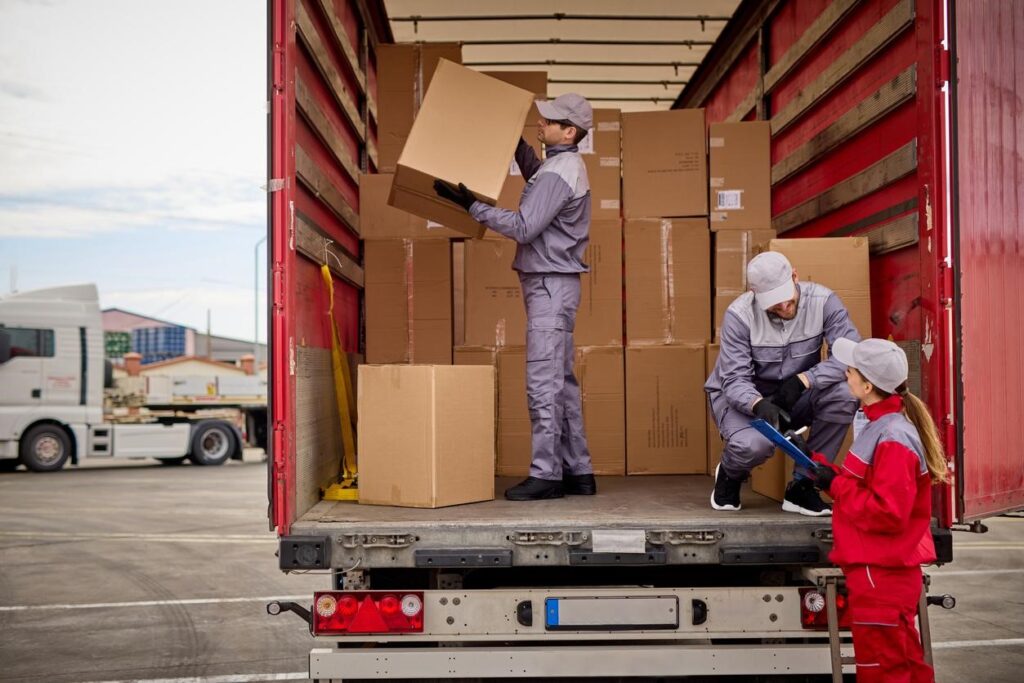
What Professional Loading Really Means for Moving Storage Containers
Specialists approach moving storage containers with a clear understanding of physics principles, including center of gravity, load stabilization and material behavior under stress during transit. They apply techniques that distribute weight evenly across the floor, prevent lateral shifting and protect contents from vibration and impact forces common in road and rail transport.
Key Elements of Professional Techniques
- Strategic placement of heavy items low and centered to maintain stability and reduce tipping risk.
- Use of load bars, straps, and bracing to secure vertical stacks against forward, backward and side-to-side movement.
- Layering fragile goods with protective padding, such as blankets or foam, between dense objects to absorb shocks.
- Systematic filling from back to front, creating a tight pack that minimizes voids where items could shift.
- Adherence to maximum payload limits while optimizing cube utilization for efficiency.
Always position the heaviest items over the container axles when possible, as this placement aligns with transport vehicle design and improves handling.
Common DIY Loading Mistakes Professionals Avoid
Homeowners frequently overload one side or stack irregularly shaped objects without proper support, creating pressure points that compromise the container walls or doors. Professionals counteract this through calculated sequencing and the use of specialized equipment like appliance dollies and ramps.
The Real Costs and Risks of DIY Loading Vs. Professional Services
Moving container rental costs escalate when damage claims arise from improper packing, as repair or replacement charges fall directly on the customer. Insurance providers often deny coverage for self-loaded units if evidence shows negligence in weight distribution or securing methods. Professionals mitigate these exposures through systematic processes that align with transport regulations and carrier requirements.
Financial Comparison: DIY vs. Professional Loading
| Aspect | DIY | Professional Services |
| Upfront Labor Cost | $0 (self-performed) | $300–$800 typical range, depending on container size |
| Potential Damage Repair | High (furniture, appliances often affected) | Low (trained techniques reduce claims significantly) |
| Insurance Complications | Frequent denials for improper loading | Better coverage eligibility |
| Time Investment | 8–20 hours per container | Minimal customer involvement |
| Long-Term Cost Impact | Increased due to claims and delays | Lower overall through damage prevention |
Calculate total project costs by adding estimated repair values for common items like sofas or electronics, then compare against quoted professional rates for a realistic view.
Risk Factors in Self-Loaded Containers
Uneven weight distribution ranks among the primary concerns, as excessive load on one side or end creates instability during pickup and road travel. Overloading forward sections raises the center of gravity, heightening rollover risks on highways. Inadequate bracing allows contents to shift, leading to door jamming or structural stress on the container itself.
Physical and Liability Considerations
Beyond monetary aspects, DIY approaches expose individuals to strain injuries from repetitive heavy lifting without ergonomic techniques. Professionals employ team lifting, dollies and ramps to distribute effort safely. Liability also transfers more reliably when experts document the process, providing clearer accountability in rare transit incidents.
Why Safe Packing and Professional Loading Services Are Becoming Industry Standard in 2026
By 2026, container moving companies routinely position hands-off loading as the default recommendation for most residential and small commercial moves. This change stems from measurable reductions in damage frequency, faster claim resolution times and improved overall customer experience when trained teams handle the packing and securing process from start to finish.
Core Advantages Driving the Standard
- Dramatically lower incidence of content damage through expert weight balancing and vibration protection.
- Elimination of common structural stress points that occur when heavy items press directly against container walls or doors.
- Consistent compliance with maximum payload guidelines and axle weight distribution rules enforced by transport providers.
- Reduced weather exposure during loading thanks to faster completion by coordinated teams.
- Clear documentation of the loading sequence, which strengthens accountability and simplifies any post-transit disputes.
Technical Foundations Supporting the Hands-Off Approach
Safe packing for shipping containers relies on principles drawn from materials handling standards and transport engineering. Professionals calculate load forces using known acceleration values for road travel (typically 0.8 g lateral, 1.0 g longitudinal) and apply bracing that counters those forces.
They also select blocking materials with appropriate compressive strength, avoiding soft fillers that compress under sustained pressure. The result is a rigid, interlocked cargo mass that behaves almost as a single unit rather than thousands of independent pieces.
Looking Ahead: Industry Expectations
Carriers increasingly favor professionally loaded units because they exhibit fewer incidents that require roadside intervention or re-handling. Insurance underwriters adjust premiums downward for customers who consistently use certified services. The hands-off method delivers measurable value through preserved belongings, reduced stress and smoother relocations.
As the industry continues to evolve, services for moving containers stand out as the practical choice that aligns safety, efficiency and long-term cost control.
The Hands-Off Advantage: Securing Your Move in 2026
The evidence is clear: professional loading transforms moving storage containers from potential risk zones into reliably protected assets. By prioritizing balanced weight distribution, strategic bracing and material-appropriate protection, trained teams achieve outcomes that consistently outperform self-loading efforts in damage prevention and transit stability.
The financial and physical costs of DIY approaches, combined with evolving carrier and insurance standards, continue to push the industry toward this specialized service model. As expectations for secure, efficient relocations rise, professional loading services for moving containers deliver the measurable advantages that define modern best practices.
