
This article may contain affiliate links.
Although electric cars have been around for quite some time, they are still considered new, meaning that there are many people who do not know too much about them. What’s safe to say when it comes to the topic of long-term storage is that, in comparison to conventional gas-powered cars, they have different needs in terms of long-term storage.
For example, if you have an electric vehicle, and you want to leave it in storage while you travel for weeks or months, then you need to do some preparation.
If you fail to do so, or do not do this the right way, then you’re going to negatively impact its battery, which will undoubtedly affect its overall performance. On a more positive note, EVs tolerate storage very well, in general, so you do not need to worry about that.
This is the topic that should be explored more, and that’s exactly what this article is about to do!
Electrical Autos vs. Traditional Four-Wheelers
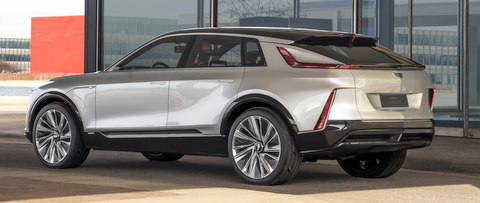
Gas-powered cars are heavily reliant on oil circulation, fuel systems and mechanical movement. When they aren’t employed for a long period of time, the fluids break down and the seals could potentially dry out.
The situation is slightly different with electric cars. Namely, they are way simpler as far as mechanics are concerned. However, unlike conventional vehicles, they are heavily reliant on a traction battery.
We’re discussing lithium-ion batteries, which are the dominant battery in the EV market today. If you want your auto to perform well and serve you for many years to come, then you need to properly treat its battery.
It’s not as complicated as you may think. You just need to be familiar with all the factors that may negatively affect it.
How To Take Care of Your Car When It’s In Storage
This is another very important thing. First and foremost, you must find reliable vehicle storage units just to be one hundred percent sure your car is in the right place. Once that’s settled, you can move on to other equally crucial steps.
Bear in mind that EVs are much heavier than most gas-powered vehicles due to their batteries, which means that they are prone to having tire flat spots if they are parked for a very long time. These spots appear when the same part of the tire is compressed against the ground for several weeks or months. If you want to avoid this, then you should:
- Inflate tires to the advised pressure
- Move your automobile a bit every few weeks or so
How Often Are You Supposed To Charge Your Battery?
One of the biggest mistakes you can make as an owner of an electric car is to store it when its battery is almost empty or fully charged. Why is this such a bad idea? Namely, batteries should always be somewhere in between when it comes to storage.
If you ask the EV connoisseurs, they’ll tell you that it should be somewhere between 40 and 70 percent charge if you plan on storing your car for a very long time. By doing so, you’ll significantly decrease the stress on your car.
On the other hand, if the battery is fully charged for weeks or months, then your battery is going to eventually experience more wear. Furthermore, a battery that’s almost empty is at an increased risk of deep discharge, which is detrimental to the battery.
What About The Temperature?
Another thing that you shouldn’t overlook is the temperature of the battery that your vehicle has. Just like with charging, batteries also like it when the temperature is somewhere in between too hot and too cold.
When the temperature is too high, it’s going to accelerate its aging process. On the flip side, if it’s too cold, then it can lower the charge for a certain period of time and, concurrently, cause a lot of stress to other parts of your EV.
If you want to prevent this from happening, it is recommended to find a good vehicle storage facility that’s properly covered. Some people may prefer climate-controlled spaces.
Even though that’s a great idea, it isn’t mandatory. If you do not plan on putting your car into a vehicle storage, garage, or any other similar place, then the least you can do (if you honestly care about your car) is to pick a shaded area if you live in a place where hot temperatures are common, or in a safeguarded spot if you live in colder region.
What’s generally great about electric cars is that most of them come with battery thermal management systems that are designed to regulate the temperature. Of course, that definitely doesn’t mean that you shouldn’t take care of its battery the way you’re supposed to.
Let’s Not Forget the 12-Volt Battery
Many EVs utilize a conventional 12-volt battery to power locks, electronics, startup systems and displays. If this battery suddenly stops working, there’s a chance your vehicle may not wake up even if the main battery is functional and fully charged.
Plenty of automobiles immediately recharge this battery from the main one; however, this may not be the case if your EV is in storage for a very long time.
If possible, what you can do is to perform occasional testing and charging. Or you can leave the battery plugged in for a trickle charge, if you want to make sure your 12-volt battery works properly and is healthy. This problem is very common among the owners of EVs who decide to leave their cars in storage for too long. Monitoring the vehicle is critical if you take that route.
Long-term storage doesn’t need to be challenging for the owners of electric cars, because these vehicles actually do not require too much maintenance when they are in storage, as long as you properly care for their batteries.
