
The Silent Fear Behind Every Used Car Search
This article may contain affiliate links.
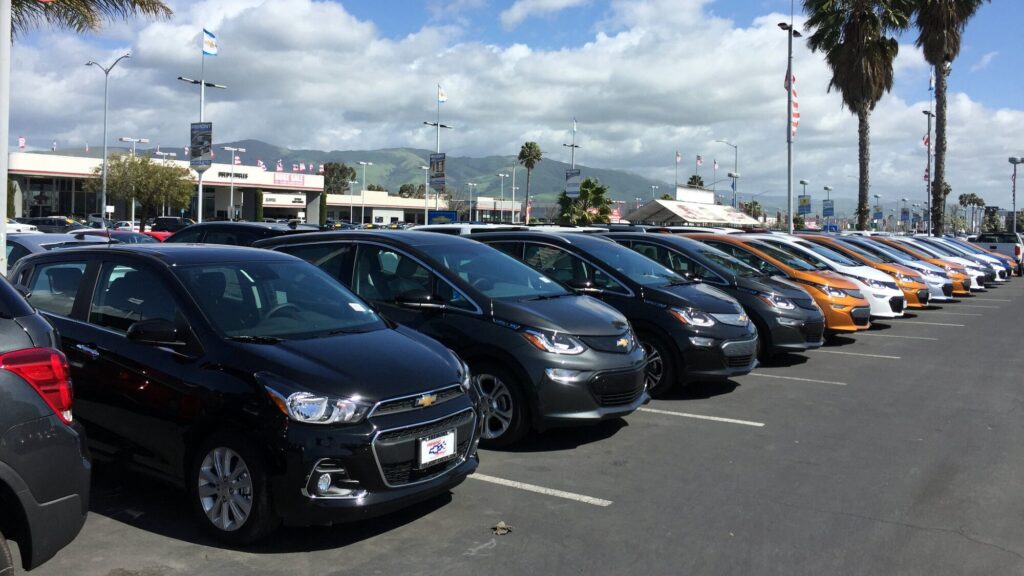
The moment car shopping begins, excitement mixes with tension. Rows of used cars look polished and ready. Seats appear clean. Paint reflects light evenly. Yet a quiet doubt stays present. Is this a good used car or a dud hiding future repair bills? Many car buyers remember problems with a car that surfaced weeks later. That memory shapes behavior during shopping for a used car. The used car market rewards preparation and punishes neglect.
Confidence grows from structure rather than chance. Buying used cars demands discipline and patience. Avoiding costly mistakes begins before speaking with any dealer. Reliable records create clarity early. A license plate check through a service like free plate lookup unveils real ownership and damage data. This single step can help avoid blind trust, even if the car looks flawless.
Why Skipping Early Checks Ruins Purchasing a Used Car
There are many mistakes to avoid when buying start long before meeting a dealer. Quick scrolling replaces research. Emotion leads decisions. That pattern forms the biggest mistakes you can make. Smart car buying begins with evidence instead of promises. License plate data reveals multiple owners, flood damage or a prior accident that sellers may avoid mentioning. Getting a vehicle history report early clarifies risk and supports purchasing a vehicle with confidence rather than hope.
Carfax often appears in conversations yet plate-based searches add another layer of context. That layer protects buyers from used cars with incomplete records and unexplained gaps. Skipping this stage increases the risk of buying a pre-owned vehicle that later reveals hidden issues.
Understanding the Real Value Behind the Asking Price
Market value shapes every negotiation. Sellers often price above reality. A dealer may highlight mileage while avoiding discussion about maintenance history. A used vehicle deserves careful analysis beyond appearance. Make and model trends reveal recurring weaknesses across years. Some drivetrains age poorly. Others show early signs of wear and tear.
A simple structure supports judgment.
| Area | What to review |
| Ownership | Multiple owners raise caution |
| Records | Maintenance history consistency |
| Damage | Used car with hidden damage signals |
| Price | Alignment with market value |
This preparation helps car buyers get the best possible outcome without rushing toward the next car.
Inspection Habits that Separate Smart Buyers from Regret
Inspection stands between confidence and surprise. Inspect slowly and deliberately. Check the car’s body lines, glass, lights and undercarriage. Uneven gaps or mismatched paint could indicate a past accident repair. Even clean vehicles carry stories beneath the surface.
A mechanic adds objectivity. An independent mechanic notices what enthusiasm ignores. A mechanic’s inspection during a pre-purchase review reveals leaks, frame stress or transmission wear. Ask whether the seller will let you take the car for an inspection. That request filters honest offers from risky ones. Taking a car for an inspection often saves money later.
Key inspection focus areas include
- Signs of wear and tear under the hood
- Fluid condition and smell
- Brake feel and response
- Tire age and alignment indicators
The Test Drive Truth that Paper Reports Miss
A test drive shifts perception. A short loop rarely tells the truth. A proper test drive can give a sense of how the car handles. Pay attention to how the car handles on the road during turns, braking and acceleration. Listen closely for squeaks and rattles. Unusual sounds could indicate suspension or exhaust concerns.
The sense of how the car behaves matters. Test-drive length matters. Drive city streets and highways. That moment reveals whether everything works smoothly. Test drive feedback often determines whether to buy or walk away.
Signals to notice include
- Steering response
- Brake vibration
- Transmission shift timing
- Engine hesitation
Dealership Promises Versus Reality
Dealerships offer structure, yet risk remains. A used car from a dealership feels safer than buying from a private party. Still a dealership relies on sales pressure. A car dealer may promote certified pre-owned status. Certification standards vary. Review warranty details carefully. Extended warranties often exclude key components.
Ask about financing options available. Compare financing options independently. Trade-in offers often undervalue a current vehicle. Negotiate the price using data rather than emotion. A reputable car dealership respects informed negotiation.
Closing Thoughts for the First Stage
Avoiding a dud depends on discipline rather than luck. Used cars reward preparation, inspection and restraint. Buying a pre-owned vehicle with patience protects savings and confidence. Each step builds peace of mind and supports a smarter decision.
Buying from Private Sellers Without Falling into Traps
Buying from a private party often feels simpler. No showroom pressure. No polished sales pitch. Still risk increases. Private sellers may lack full records or avoid disclosure. Buying from a private party requires stronger discipline. Ask direct questions about maintenance history, ownership timeline and reasons for sale. Seller may describe routine care, yet paperwork often tells a different story.
A used car’s condition matters more than stories. Check the vehicle identification number against title documents. Mismatched data signals trouble. Flood damage remains common after natural disasters and often appears months later. Even if you get reassurance verbally, rely on records. Purchasing a used vehicle without documentation raises exposure to costly mistakes.
Common Mistakes During Inspection and Evaluation
Common mistakes often repeat across buyers. Skipping details feels harmless, yet consequences follow. Neglect during early checks leads to regret later. Inspection means more than a quick glance. Inspect areas others ignore. Look under seats. Check trunk panels. Examine seals and wiring.
Mistakes to avoid include
- Trusting appearance alone
- Skipping a detailed inspection
- Ignoring unusual sounds
- Accepting rushed explanations
Even if the vehicle looks clean, hidden issues remain possible. Used cars with hidden damage often pass casual reviews. Check the car’s suspension, exhaust mounts and cooling system. These areas reveal long-term stress patterns.

Why Test Driving Longer Changes Outcomes
A test-drive lasting minutes hides problems. A longer test drive can give deeper insight. Test drives can give feedback about alignment, braking balance and drivetrain response. A sense of how the car really runs develops only after sustained driving. Get a sense of speed changes, idle behavior and temperature rise.
Pay attention how the car handles curves or uneven pavement. How the car handles on the road reveals suspension health. Listen for squeaks and rattles after warming up. Unusual sounds could indicate failing bushings or mounts. A sense of how the car behaves matters more than speed.
Negotiation Strategy Grounded in Facts
Negotiation begins before conversation. Market value research sets boundaries. Offer to pay based on condition records and inspection results. Negotiate the price calmly using evidence. Save money by addressing needed repairs upfront.
Dealers and private sellers expect counteroffers. Get a sense of leverage by reviewing similar listings. Used cars with clear records command stronger prices. Vehicles with gaps invite adjustment. Getting a good deal means clarity, not aggression.
Financing Decisions that Shape Long Term Cost
Financing options influence total expense. Financing options available through a dealership may include higher interest. Compare external offers. Financing options available from banks often reduce cost. Purchasing a vehicle without reviewing loan terms can create long term strain.
Review warranty coverage carefully. Warranty inclusion varies widely. Extended warranties may exclude common failures. Read exclusions slowly. Peace of mind comes from understanding coverage, not assuming protection.
Choosing the Right Fit for Daily Life
Buying a new car feels tempting, but acquiring a used automobile often fits budgets better. Pre-owned choices expand access to higher trims or better safety. A pre-owned vehicle with solid maintenance history often outperforms expectations.
Think about your next car usage patterns. Commute length, weather exposure and cargo needs matter. Vehicle looks should align with function. A vehicle’s reliability shapes daily routine. A car also handles differently depending on its suspension and tire setup.
Preparation Before Final Commitment
Before signing documents, review everything. Inspect paperwork closely. Check service intervals. Confirm ownership history. Acquiring a used automobile requires calm review. Used cars reward patience.
Checklist before decision
- Review inspection notes
- Confirm title status
- Validate service records
- Recheck price alignment
Purchasing a used car without rushing reduces errors. Even a good used car deserves time.
Final Decision Signals Before Committing Money
The final stage decides outcome. Many buyers rush here. That rush creates costly mistakes. Pause before payment. Review every detail again. Purchasing a vehicle involves more than liking appearance. Confirm that everything works under normal use. Lights, electronics, climate controls and safety systems deserve attention.
Even if the car looks solid, stress reveals truth. Check startup behavior after sitting. Cold starts expose weak batteries or sensors. A vehicle looks acceptable during daylight, but flaws appear in low light or rain. Used cars reward careful timing and patience. Whether buying from a dealer or private sellers, the final review protects long-term satisfaction.
A used car market filled with options encourages waiting. Looking for cars becomes easier when standards stay firm. Find the best option rather than settling early.
Conclusion: How to Avoid Buying a Dud Car
Avoiding a dud relies on discipline, clarity and process. Used cars offer value when chosen with care. Buy a used car only after research, inspection and reflection. Acquiring a used automobile becomes safer when license plate checks support decisions early. Inspections, test drives and documentation reduce uncertainty.
Mistakes to avoid when buying often stem from neglect, impatience or trust without proof. Avoid buying a used vehicle without records or inspection support. Purchasing a used car demands effort, yet rewards preparation. A good used car delivers reliability, peace of mind and long-term value. That outcome depends on method not luck.
FAQ
Can a used car’s condition change after purchase even with inspection?
Yes, wear patterns sometimes appear later, especially when prior maintenance history is incomplete. Inspection reduces risk, but does not erase responsibility for follow-up care.
Why do multiple owners matter more than mileage?
Multiple owners often signal unresolved issues, frequent resale or dissatisfaction. Mileage alone does not explain driving habits or care level.
Is buying a new car safer than buying used? Buying a new removes history concerns, but depreciation starts immediately. Used options offer stronger value when checks reveal a solid vehicle.
Does certified pre-owned guarantee no future repairs?
Certified pre-owned programs reduce risk, but do not eliminate wear. Review coverage limits carefully before trusting labels.
How long should car shopping realistically take?
Car shopping works best when stretched over days rather than hours. Time creates perspective and reduces pressure-driven decisions.
