
This article may contain affiliate links.
Advanced automotive technology is now common in U.S. and Canadian vehicles, and it can also shape fault, evidence and privacy after a crash.
What “Advanced Automotive Technology” Means in 2026 Vehicles
Modern vehicle tech combines advanced driver assistance systems (ADAS), electrification (electric vehicles, plug-in hybrids, hybrids) and connected software, with the software-defined vehicle model keeping features current through over-the-air updates.

ADAS Safety Tech Drivers Actually Use
ADAS provide alerts and limited automatic help, but the driver remains responsible for control of the vehicle.
Everyday ADAS Features
- Automatic emergency braking
- Adaptive cruise control
- Lane departure warning
- Blind spot detection
- Driver monitoring system
Sensors and “Brains” Behind ADAS
Radar and camera sensors, sometimes paired with lidar, feed sensor data to an automotive ECU, which decides when to warn or intervene. Those system events will be reviewed later.
Vehicle Automation Levels and Real Limits (SAE 0 to 5)
SAE automation levels range from 0, where the driver does everything, to 5, where the vehicle can handle all driving in all conditions. Most cars on the road today are around Level 2, which means the system may help steer and control speed, but you still need to stay alert and keep responsibility for driving. If there’s a crash and ADAS involvement is questioned, take photos of any dashboard warnings and feature settings, ask that vehicle data be preserved, and keep notes about road and weather conditions. Some drivers also reach out to a company like Michael Kelly Injury Lawyers for general guidance on documentation and timelines.
EV, Plug-in Hybrid and Hybrid Tech that Matters
Electric vehicles can cut fuel costs, while hybrid vehicles and a plug-in hybrid option add flexibility when charging is limited. EV range and winter conditions still matter.
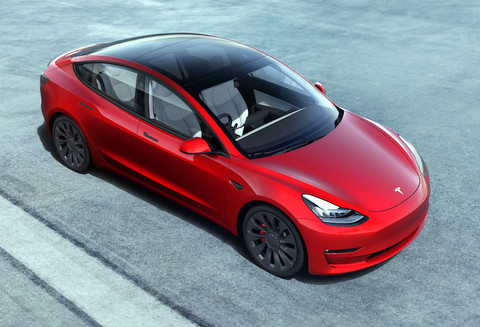
Powertrain Basics: Battery, Motor and Control Software
An EV powertrain relies on a battery pack with a battery management system (BMS), motor and inverter controls and thermal management, all governed by software and warranty terms.
Brake Energy Recovery and Range
Regenerative braking turns slowing into energy recovery and can improve efficiency in city driving.
Home and Public Recharge Options
A home EV charger supports daily routines, while DC fast charge depends on the charging network and can affect battery health if overused.
- EV: home charging for a predictable commute
- Plug-in hybrid: mixed driving, useful when fewer chargers are available
- Hybrid: simplest routine, better mpg than gas-only
Connected Car Tech: Telematics, OTA updates and V2X
Connected car technology adds convenience and diagnostics, but it can create data and consent issues that owners should understand.
Telematics and Remote Features
- Remote lock or start (where allowed)
- Maintenance and diagnostics
- Emergency calling
- Theft support
- Fleet tools
OTA Updates and Feature Upgrades
OTA updates, or over-the-air updates, deliver software updates for cars, including security patches and feature changes, so read notes and subscription terms.
V2X for Safety Alerts and Traffic Flow
V2X includes V2V (vehicle-to-vehicle) and V2I (vehicle-to-infrastructure) messages like hazard alerts and signal timing, with intelligent transportation systems expanding unevenly across regions.
Cybersecurity, Privacy and Trust
Automotive cybersecurity supports safety and vehicle data privacy, so use strong account security, apply updates and limit permissions.
Standards and Real-World Buying Tips for the U.S. and Canada
ISO 26262 and AUTOSAR standards influence safety and software design. Ask what ADAS is included, what is subscription-based, how long updates last, what data is collected, and what the battery warranty covers.
Final Thoughts
Pick features that match your routes, climate and charging reality, then test ADAS behavior and the app experience while you review privacy and update policies.
