
This article may contain affiliate links.
Letting go of a truck from your fleet is rarely just a simple sale. For many owners, it comes after years of work, road trips or the slow realization that the vehicle no longer fits the way the fleet operates. Whether your truck still runs well, needs expensive repairs or has become more trouble than it is worth, the process starts with knowing what you want out of the next step.
Know What You Are Selling Before You Make a Move
Before listing a truck or reaching out to a buyer, take a clear look at what you actually have. That means more than the year, make and model. Think about mileage, body condition, title status, tire wear, service history and any mechanical problems that could affect value. A truck with cosmetic damage but a solid engine will attract a different kind of buyer than one with transmission issues or flood damage.
This first review also helps you decide how much effort you want to put into the sale. Some owners have the time to clean the truck, gather records, take photos, answer messages and meet buyers. Others simply want the vehicle gone without dealing with the usual back and forth. If the latter sounds more realistic for your situation, it may make sense to explore alternative ways to sell your truck with ByeTruck rather than handling every step on your own.
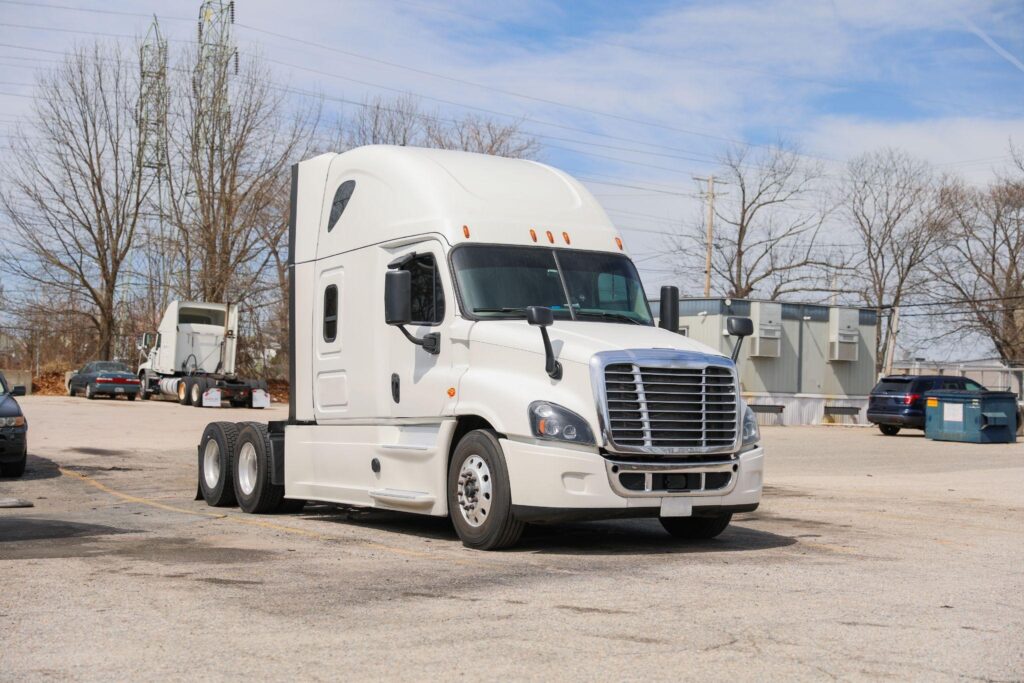
Decide Whether Speed or Maximum Price Matters More
A lot of frustration comes from chasing the wrong goal. If you want the highest possible price, selling privately may seem appealing. But that route often takes more time than people expect. You may deal with no-shows, lowball offers, repeated questions and buyers who lose interest once they learn about a repair issue or title complication.
If speed matters more, a direct buyer or truck buying service may be the better fit. That can be especially helpful when the truck is no longer reliable, has been sitting for months or is costing money in storage, insurance or repairs. In many cases, the best outcome is not the highest theoretical offer. It is the option that saves time, reduces stress and gets the truck off your hands without dragging the process out for weeks.
Gather the Details Buyers Will Ask About
Truck buyers tend to ask practical questions right away, and being prepared makes everything easier. Have the basic information ready before you start. That includes:
- VIN
- Current mileage
- Title status
- Maintenance history
- Known mechanical issues
- Accident or damage history
- Number of keys
- Tire and brake condition
You do not need to turn your truck into a showroom listing, but honesty matters. If the check engine light is on, say so. If the air conditioning stopped working last summer, disclose that. Clear information helps serious buyers make faster decisions and reduces the chance of conflict later. It also prevents wasted time with people who were never going to be the right fit once the full condition became clear.
Clean It Up, But Do Not Overinvest
It is usually worth giving the truck a basic cleanup before selling. Remove trash, wipe down the interior, clear out the glove box and wash the exterior if possible. A cleaner truck is easier to evaluate and gives the impression that it has not been neglected, even if it has age or wear. Small steps like vacuuming the seats or removing personal stickers can make a bigger difference than owners expect.
What usually does not make sense is pouring money into repairs you will not recover. A new battery or replacing a broken taillight might be worth it if it improves safety or helps the sale move faster. A costly suspension repair, engine work or cosmetic body fix may not. If you are already committed to selling, think carefully before spending hundreds or thousands trying to make the truck look perfect for the next person.
Watch for Common Selling Mistakes
Many truck owners lose time or money by rushing the process or trusting the wrong buyer. A few common mistakes come up again and again:
- Pricing based on emotion instead of condition.
- Hiding known issues and hoping they go unnoticed.
- Accepting vague payment promises.
- Forgetting to remove personal belongings and documents.
- Signing over the title without confirming the deal is complete.
Another mistake is assuming every buyer values the same thing. Some want a clean daily driver. Others want a work truck, a parts vehicle or a project. Your truck does not need to appeal to everyone. It only needs to reach the kind of buyer who sees value in what it is right now.
Make the Exit Simple and Final
Once you decide to part ways with your truck, the goal is not just to sell it. The goal is to finish the process cleanly. Remove personal items, cancel or transfer insurance when appropriate, take off plates if your state requires it, and keep a copy of any bill of sale or transfer record. Those final details protect you after the truck leaves your possession.
More importantly, give yourself permission to move on without second-guessing the decision. Trucks often stay with people longer than they should because they represent usefulness, memory or future plans that never quite happen. But when a vehicle has become a burden, selling it can be less about loss and more about clearing space for what comes next. Starting with the right approach makes that decision easier, and it turns a drawn-out problem into one finished step.
