
This article may contain affiliate links.
The global automotive market has seen a steady rise in electric vehicle purchases, driven by an increasing demand for eco-friendly transportation solutions. In addition, increasing fossil fuel prices have prompted consumers to do away with gas and diesel vehicles in favor of rechargeable cars. This would explain why the EV market is expected to reach an unprecedented revenue of $1.1 trillion this year alone.
You might be among a growing number of motorists considering the switch to EVs as supply chain disruptions continue to cause fossil fuel price surges across the world. However, while you might expect to save more on fuel, you need to be aware of major trade-offs before you dive into the EV market. It pays to be an informed consumer, so here are a few factors to help you determine if an EV is a worthwhile investment or a major liability.
Assess Your Lifestyle and Current Vehicle
If you’re living too far from the office, the distance could take a toll on the battery, causing faster deterioration as you use your EV for your daily commute. Replacement batteries cost a minimum of $5,000, so you might want to settle for a standard vehicle that’s built for long-range driving.
You may also want to switch to an EV if your current vehicle has become less fuel-efficient or has had significant damage. A service like Scrap Car Pros can have your old rig towed and disposed of for instant cash, which you can use to buy an EV. On the other hand, you can keep driving your old car if it’s still in good condition and maintenance is still manageable and affordable. Buying an EV too soon would mean paying a large upfront cost.
Check Your Location’s EV Readiness
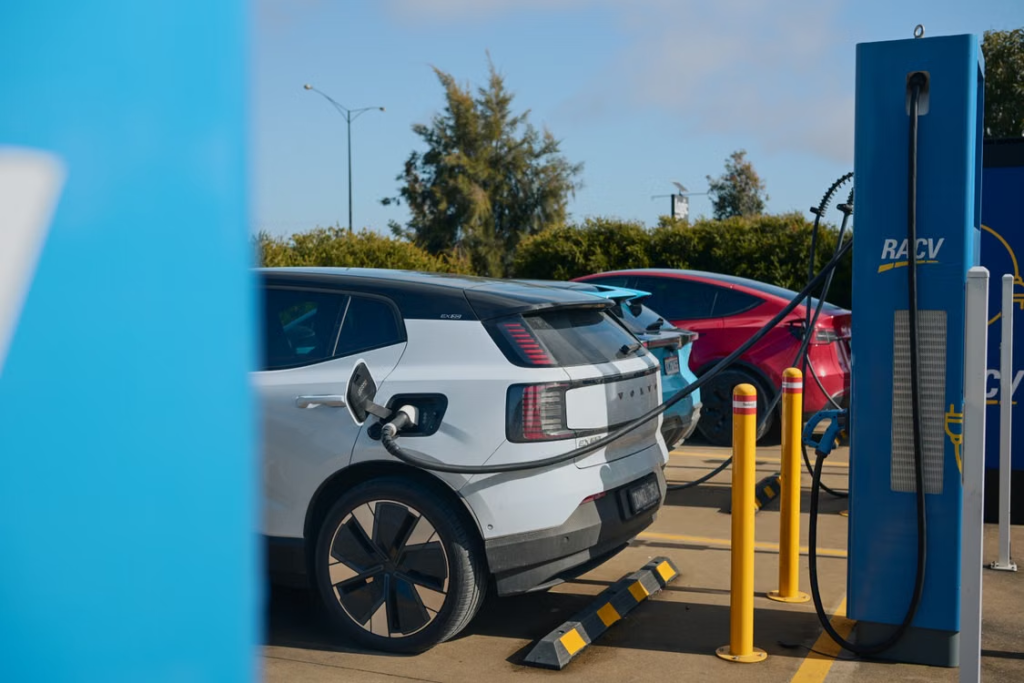
If you’re living in an area that lacks the features needed by EV drivers, then you might want to wait until these are available. Charging stations and service centers remain scarce, as most are concentrated in urban centers. In the United States, charging stations won’t become prevalent countrywide until 2035, so EV support might be limited in your area. Unless you’re driving within and around major metropolitan areas, settling for a gas-powered vehicle is the more practical solution than owning an EV in an area where you will need to drive long distances to charge your battery.
It’s also important to take the local climate into account. EV batteries lose their capacity, performance and driving range under hot conditions, while cold climates force the batteries to consume more power to stabilize internal temperatures. Owning an EV might not be ideal if you’re living in flood-prone areas where corrosion and short-circuiting become more likely. You may have to wait until the technology becomes more advanced to withstand these environmental factors.
Factor In Recurring Costs
EV prices are expected to drop soon as battery prices continue to drop. As new brands and models enter the market, more consumers will find them accessible. The International Council on Clean Transportation expects that EVs will become cheaper to produce than gas vehicles by 2030. For now, if you’re thinking of buying gas vehicle, you should also think about how much it would cost you to keep it running as EVs already have an operating cost advantage over gas models.
Battery packs remain expensive, and replacement parts are still difficult to find in most areas. Added to that is the fact that insurance premiums are higher compared to gas vehicles, and your options are generally limited since not all carriers offer coverage for EVs. There are also local taxes and fees you need to shoulder as an EV driver. It may be more practical to wait until recurring costs drop before buying an EV.
Endnote
A positive EV experience depends largely on whether you’ve made the right decision to buy one. Weigh these factors so you won’t end up regretting it.
