
This article may contain affiliate links.
An F-150 that has served its owner for years can be difficult to replace, especially when it still handles daily driving and demanding work without trouble. But a major engine failure changes everything. Suddenly, the owner must compare repair estimates, replacement engines and the cost of buying another truck.
Searching for a used Ford 3.5L EcoBoost engine for sale is one possible starting point. Before ordering anything, however, it helps to understand what caused the failure, which engine belongs in the truck, and what the full replacement process involves.
Start With a Proper Diagnosis
An unusual engine noise can be alarming, but it does not always mean the motor is beyond repair. Problems involving ignition components, turbochargers, sensors, or cooling equipment may produce symptoms similar to serious internal damage.
Have a qualified mechanic investigate the issue before discussing replacement options. Depending on the symptoms, compression testing, oil pressure checks and cooling system inspections can provide valuable information. An accurate diagnosis helps prevent spending thousands of dollars on an unnecessary replacement.
Why the Engine Year Matters
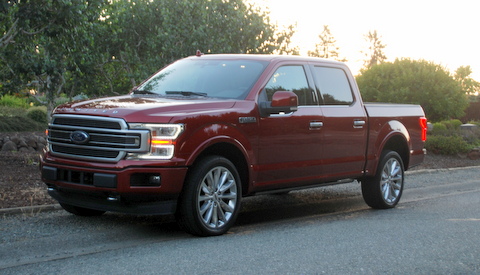
Ford has made significant changes to the F-150’s engine lineup over the years. Even engines that share the same displacement may differ in their electronics, fuel systems and mechanical components.
For example, the 3.5L EcoBoost has undergone several updates across production generations. An engine from a newer truck cannot automatically replace one from an older model. Verifying the production year and engine configuration is essential.
The vehicle identification number, commonly called the VIN, helps identify the truck’s factory specifications. A parts supplier and mechanic can use this information alongside engine identification details to assess compatibility.
Understanding Your Replacement Options
Buying a used engine is only one possibility. Depending on the damage, owners may also consider rebuilding the existing motor or purchasing a remanufactured replacement.
Each approach comes with different costs and considerations. Rebuilding allows inspection of internal components but may require substantial labor. Remanufactured engines can cost more upfront, while used OEM assemblies may offer a lower purchase price.
The right choice depends on the engine’s condition, the truck’s remaining value and the owner’s budget. It is worth comparing complete written estimates rather than focusing only on advertised engine prices.
What About the 5.0L Coyote V8?
The 5.0L Coyote is another familiar engine in Ford’s F-150 lineup. Drivers researching a used Ford 5.0L Coyote engine for sale should first establish whether their truck was originally equipped with a compatible V8 configuration.
Although both engine families have appeared in the F-150, the EcoBoost and Coyote are not direct replacements for one another. Changing from one engine type to another may involve significant modifications to wiring, engine controls, fuel systems and other components.
For ordinary engine replacement, staying with the correct factory configuration is generally the simpler approach. Any proposed engine conversion should be evaluated separately by an experienced technician.
Check What Comes With the Engine
Not every used engine is sold with the same accessories. Some assemblies include additional components, while others require the installer to transfer suitable parts from the original engine.
Before making a purchase, clarify:
- The recorded mileage of the replacement engine.
- Whether inspection or testing information is available.
- Which accessories are included.
- Whether the assembly matches the truck’s specifications.
- What warranty limitations and conditions apply.
- How shipping damage or incorrect parts are handled.
Getting these details in writing can reduce disagreements and unexpected expenses later.
Remember the Installation Costs
The engine’s purchase price is only part of the total expense. Installation may require fresh fluids, filters, seals, gaskets and other components. Additional repairs may become necessary if related systems contributed to the original failure.
Discuss the full job with the repair shop before ordering. Ask about labor charges, expected additional parts and the procedures required to prepare the replacement engine for service.
It is also important to review warranty documentation. Some used-engine warranties provide limited coverage and require particular installation or maintenance procedures.
Conclusion
A failed engine does not necessarily mean an F-150 has reached the end of its useful life. If the transmission, frame, suspension and other major systems remain in good condition, replacing the engine may be a reasonable investment.
The most important steps are confirming the diagnosis, identifying a compatible replacement and planning the complete installation cost. Owners considering recycled OEM components should consult their mechanic to ensure the selected assembly meets the truck’s specifications and requirements.
