
How to Streamline Fleet Management and Improve Overall Operations
Companies find success by updating their old methods with modern technology.. Success starts with a clear plan and the right equipment for the job.


Companies find success by updating their old methods with modern technology.. Success starts with a clear plan and the right equipment for the job.

Choosing to rent can solve logistical headaches that a standard sedan simply cannot handle.
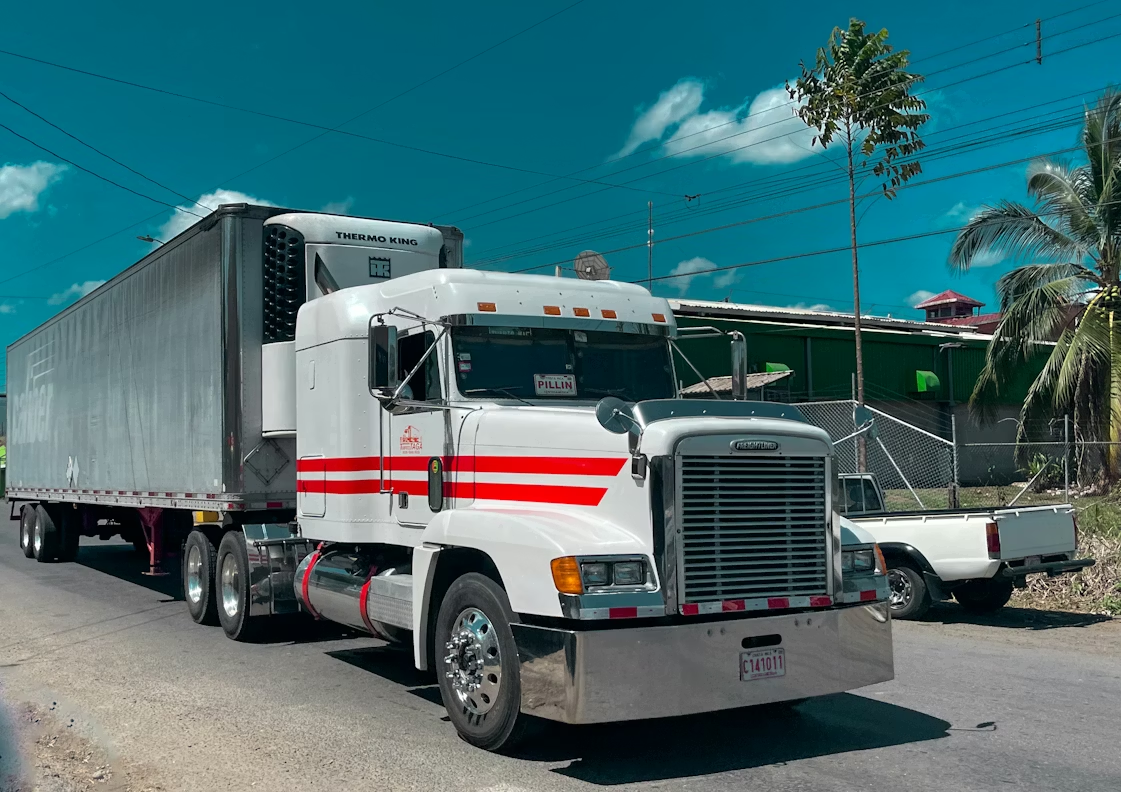
When maintenance slips through the cracks, the results are rarely minor. Small mechanical issues can quickly spiral into major roadway hazards for everyone sharing the pavement.

Modern hardware solutions offer a way to mitigate high insurance expenses by providing a clear view of road events.

Building a reliable fleet starts before keys ever change hands. The right pre-employment steps protect schedules, customers and insurance rates while cutting downtime.
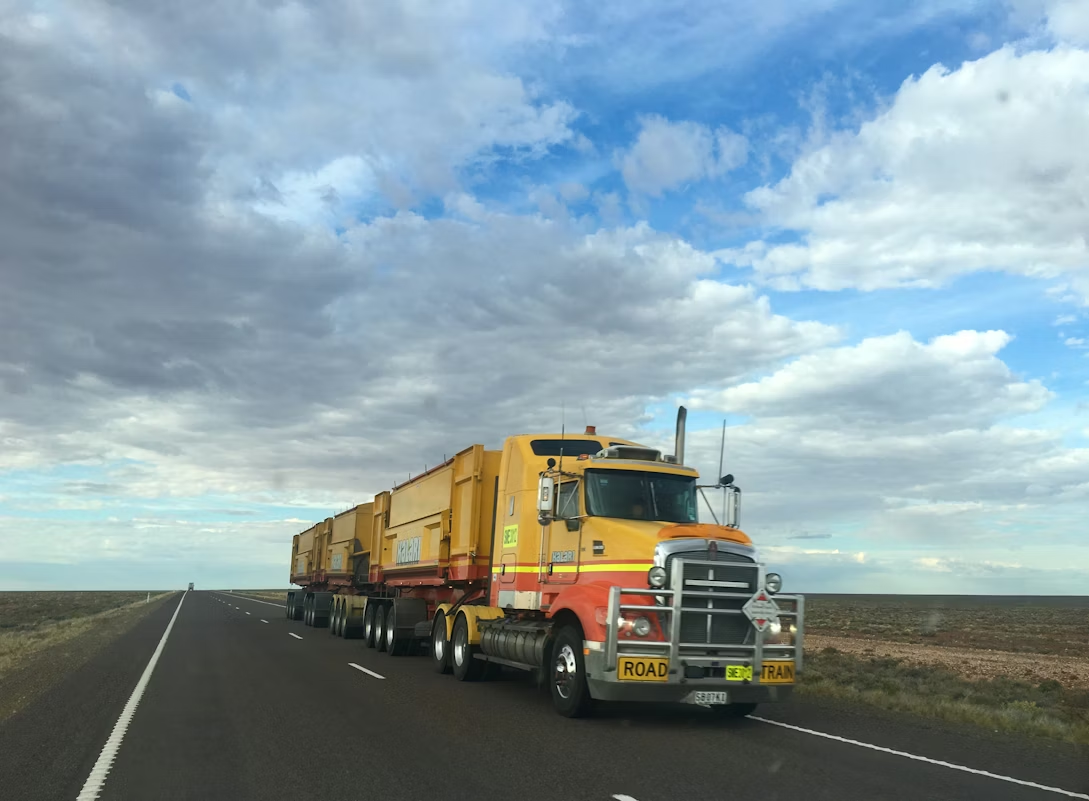
Running a vehicle or equipment fleet is a daily balance of cost, safety and uptime. The fastest gains come from simple changes that stick.
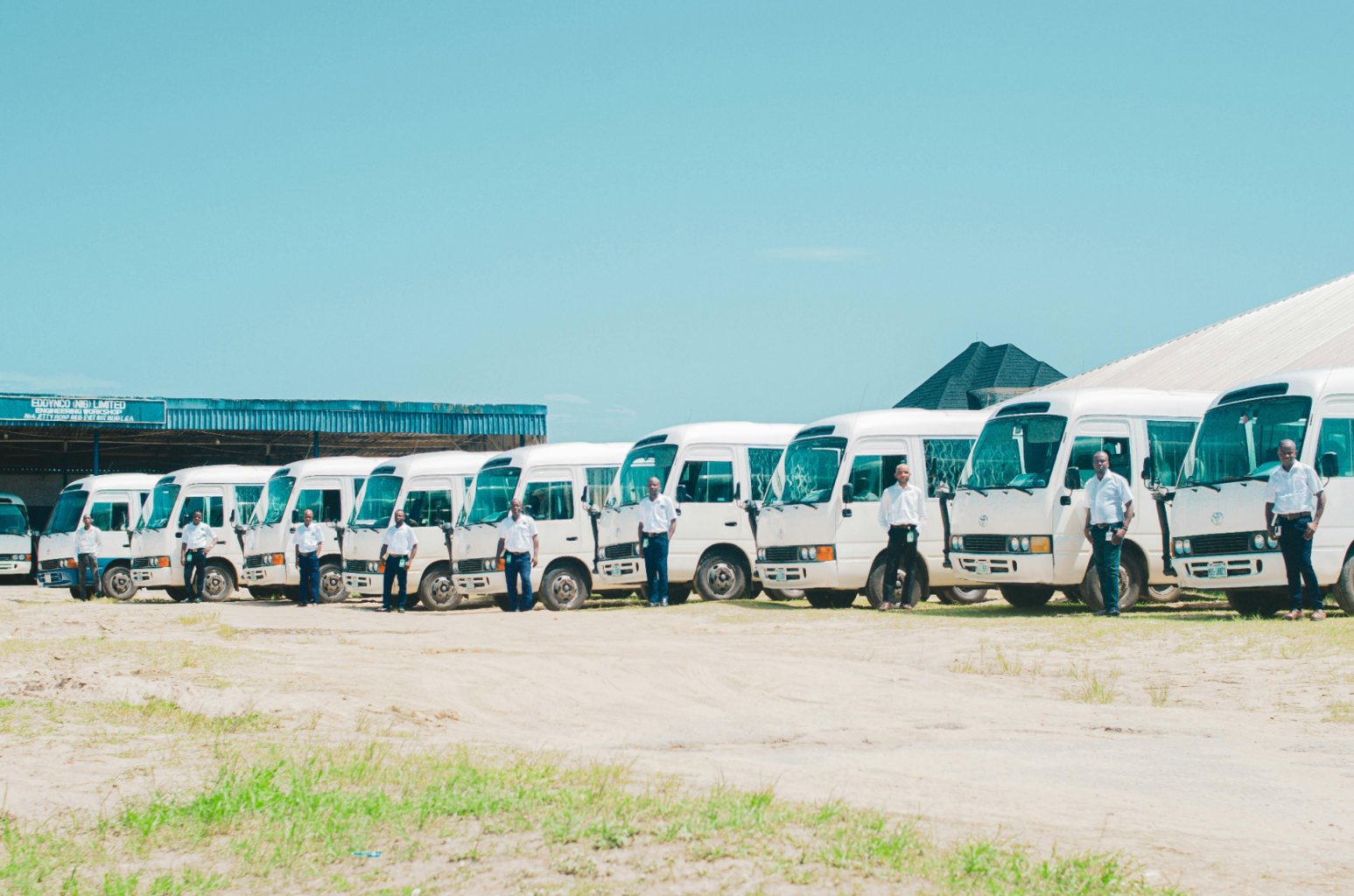
The strongest fleets treat safety like an operating system, not a poster on the wall. That means measuring what is happening on the road, coaching with consistency, and fixing the conditions that push drivers into risky choices.
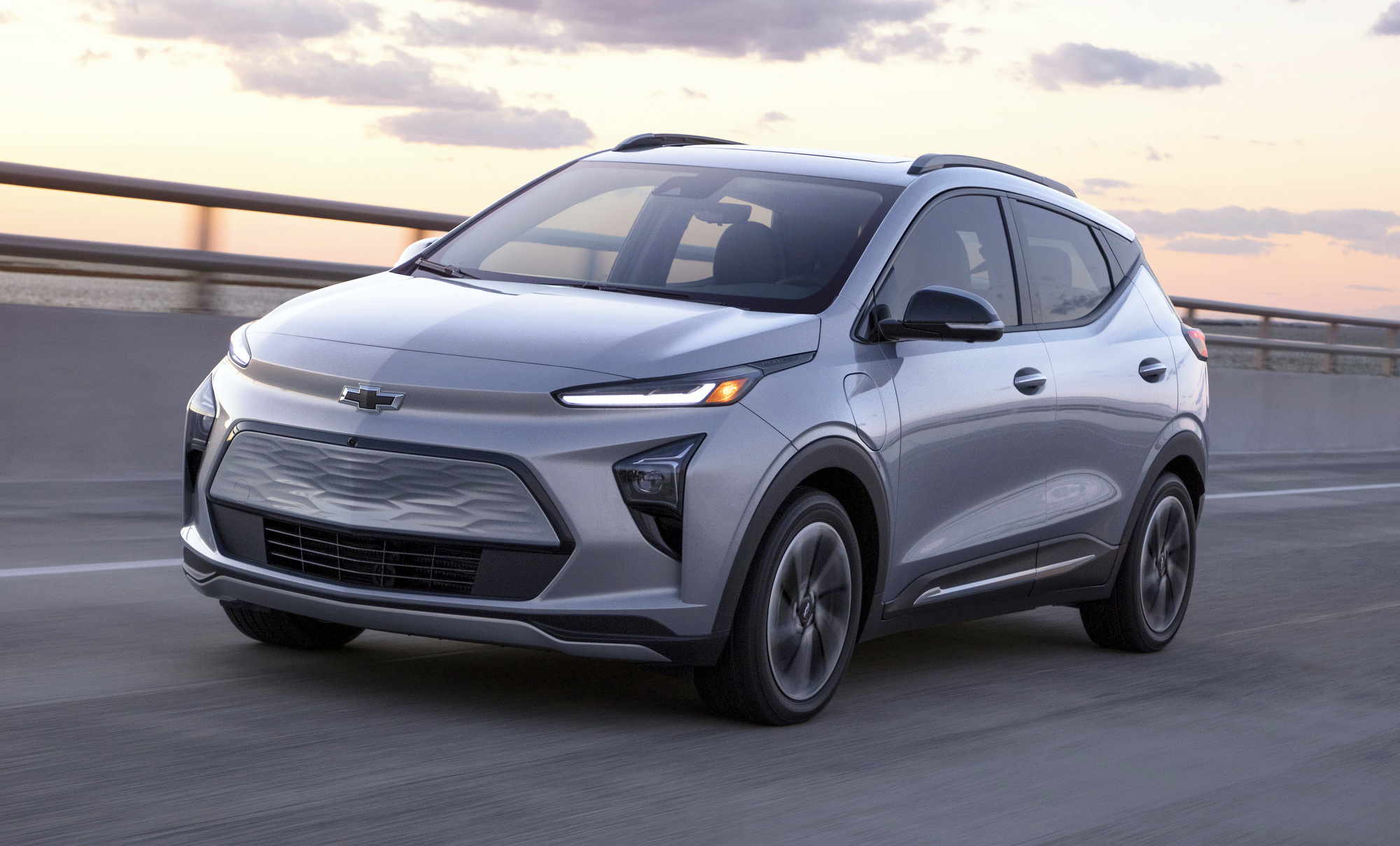
What’s safe to say when it comes to the topic of long-term storage is that, in comparison to conventional gas-powered cars, they have different needs in terms of long-term storage.

Vehicle tracking has grown past simple dots on a map. Modern systems can log speed, route choice, braking force and engine events.
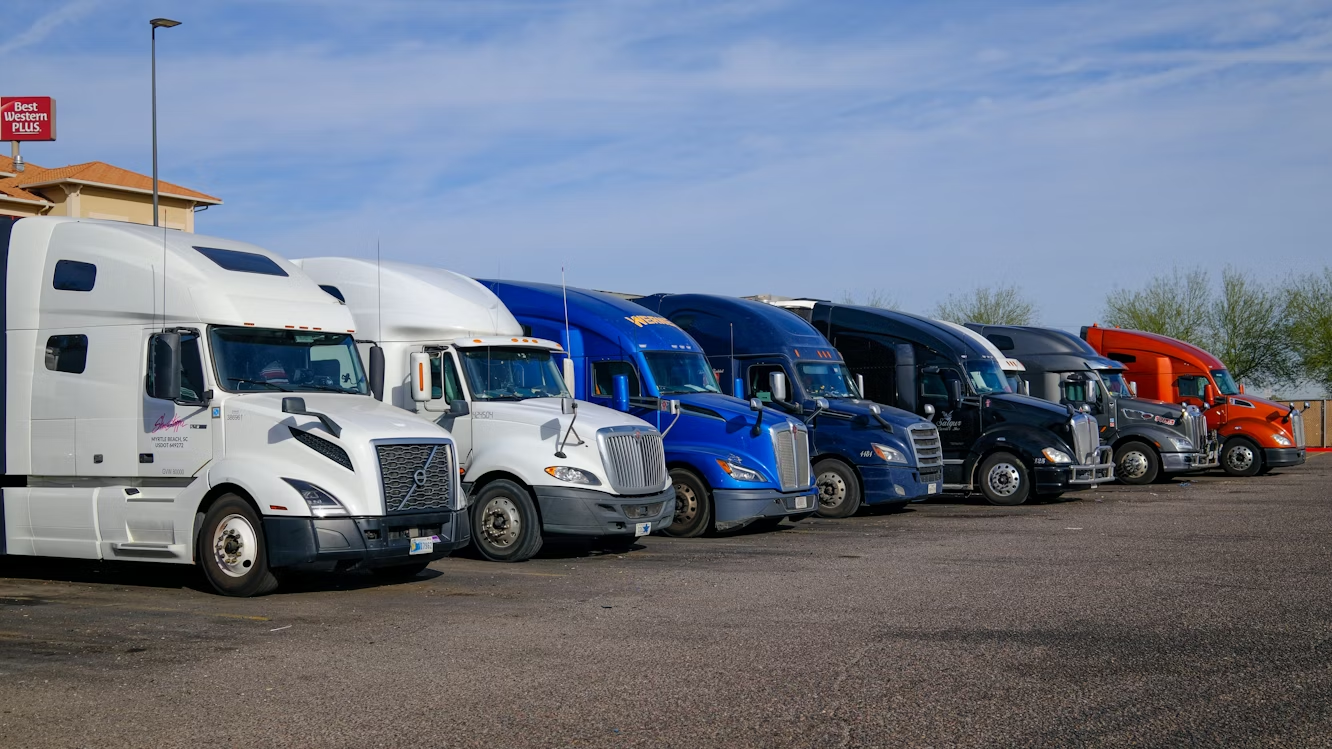
From controlling costs to guaranteeing driver safety, managing a fleet requires careful planning, consistent oversight and informed decision-making.